Here’s something most coffee lovers don’t realize — you don’t need to spend $200 or $300 to brew a genuinely delicious cup at home. Some of the best cheap coffee makers sitting on shelves right now, priced under $50 or even under $25, can produce coffee that rivals what you’d get from machines costing five times more. The secret isn’t the price tag. It’s knowing which brewers punch above their weight and which ones are just cheap plastic disappointments.
If you’ve been scrolling through page after page of coffee maker reviews, feeling overwhelmed by options and skeptical about quality at lower price points, you’re in the right place. I’ve spent years testing, recommending, and writing about coffee equipment, and I can tell you with confidence that budget-friendly doesn’t have to mean flavor-compromising. Let me walk you through the best affordable coffee makers you can actually trust — and help you figure out which one fits your kitchen, your routine, and your taste buds.
Why Cheap Coffee Makers Get a Bad Reputation (And Why It’s Partly Unfair)
There’s a reason people associate “cheap” with “bad” in the coffee world. Walk into any big-box store and you’ll find rows of $15–$20 coffee makers with flimsy carafes, uneven heating elements, and brewing temperatures that never quite hit the sweet spot. Buy one of those, and yeah — your coffee will taste flat, bitter, or weirdly lukewarm.
But here’s what most people miss: the price of a coffee maker doesn’t determine brew quality as much as the brewing method does. A $20 French press uses the exact same immersion brewing principle as a $90 French press. A $10 pour-over dripper follows the same physics as a $60 Chemex. The materials might differ, the aesthetics might change, but the coffee in your cup? Often surprisingly similar.
The real issue with cheap coffee makers isn’t that they can’t make good coffee. It’s that people buy the wrong type of cheap coffee maker. A poorly designed electric drip machine at a rock-bottom price will absolutely let you down. But a well-chosen manual brewer at that same price? That’s a different story entirely.
So the question isn’t really “can I get good coffee on a budget?” — it’s “which budget coffee maker should I actually buy?”
What Makes a Coffee Maker Worth Buying (Even at a Low Price)
Before we talk specific models, let’s get clear on what actually matters. Because if you know what to look for, you won’t need anyone to hold your hand at the store.
Brew temperature is the single biggest factor most budget machines get wrong. The Specialty Coffee Association recommends water between 195°F and 205°F for optimal extraction. Cheap electric drip machines often heat water to only 180°F–190°F, which means under-extracted, sour-tasting coffee. Manual brewers sidestep this problem entirely — you boil your own water and control the temperature yourself.
Contact time matters too. Coffee needs the right amount of time in contact with water. Too short, and it’s weak. Too long, and it turns bitter. Good cheap coffee makers — whether they’re drip, immersion, or percolation style — handle this well by design.
Build quality is where you’ll notice the biggest difference between a $25 brewer and a $150 one. You might get a thinner glass carafe, a less elegant handle, or a plastic frame instead of stainless steel. These things affect durability and looks, but they don’t necessarily affect what ends up in your mug.
And then there’s ease of cleaning. Cheap doesn’t have to mean complicated. Some of the most affordable brewers on this list are also the simplest to clean — fewer parts, fewer headaches.
Best Cheap Coffee Makers — The Ones Actually Worth Your Money
Let me break this down by brewing method, because your ideal cheap coffee maker depends heavily on how you like to brew.
The French Press — Best Bang for Your Buck, Period
If someone asked me to recommend just one cheap coffee maker and nothing else, I’d say a French press without hesitating. You can pick up a solid one for $15–$30, and the coffee it produces is rich, full-bodied, and genuinely excellent.
The Bodum Chambord (around $25–$35 depending on size) has been a staple for decades, and for good reason. The frame is sturdy, the filter mesh is fine enough to keep most sediment out, and it brews beautifully consistent cups. If you want to go even cheaper, the Bodum Brazil drops closer to $15 with a plastic frame instead of metal — same brewing mechanism, same great coffee.
A French press doesn’t need electricity, doesn’t need paper filters, and takes about four minutes from start to finish. Your biggest investment is buying freshly roasted, quality beans and grinding them right. Speaking of which, grind size is critical here — too fine and your coffee turns into a muddy, over-extracted mess. If you’re not sure what grind to use, this guide on French press grind size will save you a lot of trial and error.
Pro Tip: Don’t press the plunger all the way down with force. Press gently, stop just above the coffee bed, and pour immediately. This reduces sediment and bitterness significantly.
The one real downside? French press coffee has more oils and fine particles than filtered coffee. Some people love that richness. Others find it too heavy. If you’re curious how it stacks up against other methods, there’s a useful comparison between French press and drip brewing worth checking out.
Pour-Over Drippers — Café-Quality for Under $15
This one surprises people. You can buy a ceramic or plastic pour-over dripper for literally $8–$15 and brew coffee that tastes like it came from a specialty café. The catch? It takes a little technique — but honestly, not much.
The Melitta Pour-Over cone is one of the cheapest options out there, usually under $10. It sits on top of your mug, you add a paper filter, put your ground coffee in, and slowly pour hot water over it. Done. You’ll spend more on the coffee itself than on the brewer.
For a slight step up, the Hario V60 (plastic version) runs around $10–$12 and gives you even more control over your pour. It’s the same dripper used by barista champions worldwide — and the plastic version actually retains heat better than the ceramic one during brewing. Go figure.
If you like the idea of pour-over but want something a bit more hands-off, electric pour-over coffee makers automate the process, though they do cost more.
The beauty of pour-over is the clean, bright cup it produces. You taste the nuances of the beans — the fruit notes, the chocolate undertones, the floral hints — without oils or sediment muddying things up. It’s a completely different experience from French press coffee, and it costs almost nothing to get started.
Quick Fact: A standard pour-over brew takes 2.5 to 4 minutes depending on dose and grind size. That’s faster than waiting in line at most coffee shops.
Budget Drip Coffee Makers — For the “Just Press a Button” Crowd
Not everyone wants to stand over a kettle at 6 AM carefully pouring water in circles. I get it. Sometimes you just want to press a button, walk away, and come back to a full pot. That’s where electric drip machines earn their place.
The trick is finding a cheap one that actually heats water properly. Most bargain drip machines don’t.
The Mr. Coffee 12-Cup is probably the most common budget drip machine in America, typically priced around $25–$30. Does it make the world’s best coffee? No. But it’s reliable, simple, and gets the water temperature closer to the right range than many competitors at the same price. The included carafe is basic, the warming plate will eventually overcook your coffee if you leave it sitting there, but for a household that goes through a full pot quickly, it works.
A slightly better option is the Hamilton Beach 2-Way Brewer, usually around $35–$45. It brews a full carafe or a single serve — handy if you’re the only coffee drinker in your house some mornings but have company on weekends.
If you can stretch your budget just a bit higher, the options improve noticeably. There’s a solid roundup of coffee makers under $100 that covers that sweet spot where price meets performance. And if you specifically want a drip machine, this guide on the best drip coffee makers goes into more detail on what separates good machines from mediocre ones.
Warning: Avoid drip machines with a “keep warm” feature that uses a hot plate under a glass carafe. It continues cooking your coffee and turns it bitter within 20–30 minutes. Look for thermal carafe models instead — they cost a bit more but keep coffee hot without ruining the flavor.
The Moka Pot — Espresso-Style Coffee for Pocket Change
Want something strong, concentrated, and intense — almost like espresso — without dropping $400 on an espresso machine? A Moka pot is your answer. The Bialetti Moka Express has been around since 1933 and still costs only $25–$35 depending on size. It brews on your stovetop in about 5 minutes and produces a thick, punchy coffee concentrate you can drink straight or mix with steamed milk for a homemade latte.
It’s not true espresso — it doesn’t generate the 9 bars of pressure an espresso machine does — but it gets you about 80% of the way there at roughly 10% of the cost. Millions of Italian households use a Moka pot daily instead of an espresso machine, and they’d argue their coffee is just as good.
If you’re weighing this option against others, there’s a helpful French press vs. Moka pot comparison that breaks down the flavor differences between these two popular budget brewers.
Pro Tip: Use medium-fine ground coffee in a Moka pot, not espresso-fine. And pull it off the heat as soon as you hear the gurgling, hissing sound — that means it’s done. Leaving it on longer scorches the coffee.
The AeroPress — The Budget Brewer With a Cult Following
The AeroPress costs around $30–$40, and it has one of the most devoted fan bases in the coffee world. There’s literally a World AeroPress Championship held every year. For a plastic tube with a plunger, that’s pretty impressive.
What makes it special? Versatility. You can brew a clean, filter-style cup. You can make a concentrated espresso-like shot. You can do cold brew concentrate. You can experiment with water temperature, steep time, grind size, and pressure to get wildly different results from the same device.
It’s also nearly indestructible (great for travel or camping), brews in about 90 seconds, and is one of the easiest coffee makers to clean — just pop out the used coffee puck and rinse. If you’re curious how it measures up against other manual methods, there’s a detailed AeroPress vs. French press breakdown that covers the flavor and usability differences.
The downside? It only makes one cup at a time (roughly 8–10 oz depending on your recipe). If you’re brewing for a family, you’ll be pressing four separate batches every morning. That gets old fast.
Cold Brew Makers — Cheap, Easy, and Perfect for Hot Weather
Cold brew has exploded in popularity over the last few years, and the good news is you don’t need anything fancy to make it. A basic cold brew coffee maker — essentially a jar with a built-in fine-mesh filter — costs $15–$25 and makes enough concentrate to last you a week.
The Takeya Cold Brew Maker (around $20–$25) is one of the most popular options. You add coarse-ground coffee, fill it with cold water, stick it in the fridge for 12–24 hours, remove the filter, and you’ve got smooth, low-acid cold brew concentrate. Mix it with water or milk to taste.
You can even make a batch and then use it as a base for drinks like a pumpkin cream cold brew — tastes like something from a coffee shop menu but costs a fraction per serving.
Did You Know? Cold brew concentrate typically has about 60–70% more caffeine per ounce than regular drip coffee, because of the long extraction time and high coffee-to-water ratio. Dilute it before drinking, or prepare yourself for a very energetic morning.
The Grinder Question — Don’t Skip This
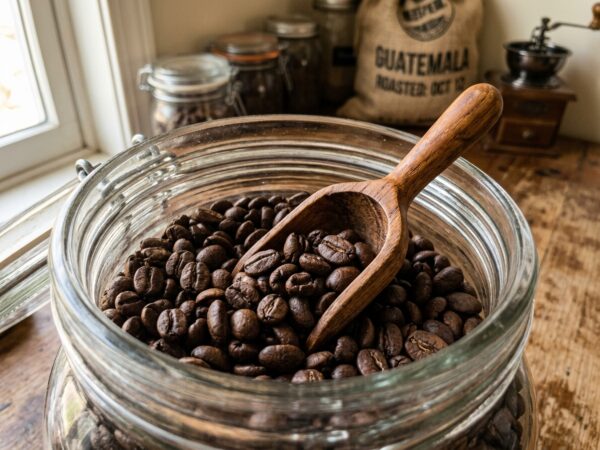
Here’s something that matters more than which coffee maker you buy: the freshness of your grind. You could own the best cheap coffee maker on the planet, but if you’re using pre-ground coffee that’s been sitting on a shelf for three months, your brew will taste stale and flat.
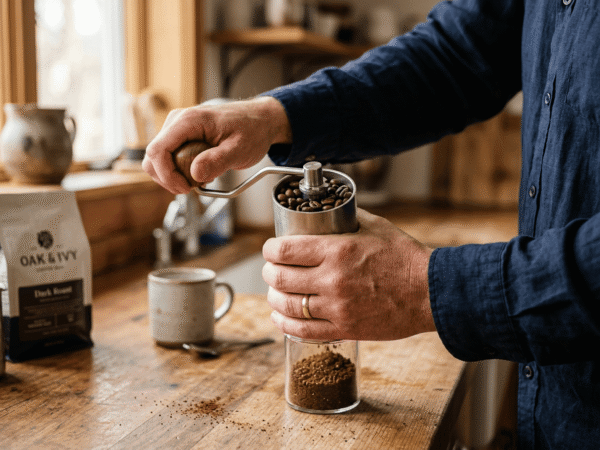
Even a basic hand coffee grinder costing $20–$35 will dramatically improve your coffee. Grinding beans right before brewing preserves the volatile aromatic compounds that give coffee its flavor and fragrance. Pre-ground coffee loses those compounds within minutes of grinding.
If you’re on a tight budget, a hand grinder is the smartest investment you can make alongside your brewer. It takes about 30–60 seconds of cranking to grind enough for one cup, and the difference in taste is immediately noticeable. Don’t have a grinder at all? There are creative ways to grind beans without one that work in a pinch, though they’re not ideal for daily use.
How to Get the Best Coffee From a Cheap Brewer
Buying a good budget coffee maker is step one. Using it properly is step two — and honestly, step two matters more. Here are the things that’ll make the biggest difference in your cup, regardless of which brewer you chose.
Use the right water temperature. If you’re using a manual brewer, boil your water and let it sit for 30 seconds off the boil. That puts you right around 200°F — the sweet spot for extraction. Too hot scalds the grounds. Too cool leaves flavor locked inside the beans.
Measure your coffee. Eyeballing it leads to inconsistent cups. The standard starting ratio is about 1 gram of coffee per 15–17 grams of water. If you don’t have a scale, that’s roughly 2 tablespoons of coffee per 6 ounces of water. Adjust from there based on your taste.
Use filtered water. Your coffee is 98% water. If your tap water tastes funky — chlorinated, metallic, sulfurous — your coffee will too. A simple Brita pitcher fixes this.
Don’t let brewed coffee sit. Whether it’s on a hot plate or in a carafe, coffee starts losing its best flavors within 30 minutes of brewing. Brew what you’ll drink, drink what you brew. If you do need to keep it hot, a good thermos built for coffee holds temperature and flavor far better than any warming plate.
Clean your brewer regularly. Old coffee oils go rancid. They build up inside your machine, your French press mesh, your pour-over dripper — everywhere. A quick rinse after each use and a deeper clean once a week (warm water with a bit of baking soda or white vinegar) keeps things fresh.
Which Cheap Coffee Maker Is Right for You?
This is the part where I’d normally throw a comparison table at you, but let me just talk it through like a conversation instead.
If you want the richest, fullest-bodied coffee and don’t mind spending four minutes on the process — get a French press. It’s hard to beat the depth of flavor for the price.
If you care about clean, nuanced flavor and enjoy tasting the subtle notes in single-origin beans — go pour-over. A Hario V60 or Melitta cone costs almost nothing and rewards good technique with exceptional cups.
If you just want convenience and a full pot waiting for you — a drip machine is your friend. Spend at least $25–$30 to avoid the worst heating issues, or push toward $50 for a noticeable quality jump.
If you want strong, concentrated coffee for lattes, americanos, or just a bold morning kick — the Moka pot delivers. It’s simple, stovetop-friendly, and nearly indestructible.
If you want flexibility and portability and you enjoy experimenting — the AeroPress will keep you happy for years.
If iced coffee is your thing and you like smooth, low-acid brews — a cold brew coffee maker takes zero effort and produces enough for the whole week.
There’s no single “best” answer. There’s only the best answer for you.
How Much Should You Really Spend?
Here’s my honest take after years of testing coffee gear: the sweet spot for budget coffee makers is $15 to $40. Below $15, you’re mostly looking at manual drippers (which are fine) or novelty items (which aren’t). Above $40, you’re starting to leave “cheap” territory and enter “mid-range,” which opens up better drip machines and more premium manual brewers.
If your total budget is $50, here’s how I’d split it: $15–$25 on the brewer, and $25–$35 on a hand grinder. That combination will outperform a $100 drip machine using pre-ground coffee every single time. The grinder is where the real upgrade happens.
And here’s something worth remembering — even with the upfront cost of a brewer and grinder, making coffee at home saves you an absurd amount of money over time. The average American spends over $1,000 a year on coffee shop drinks. A home setup pays for itself within the first week or two.
FAQ
Can a cheap coffee maker really make good coffee?
Absolutely. Many affordable brewers — especially manual ones like the French press, pour-over, and AeroPress — produce coffee that’s just as good as (or better than) expensive machines. The brewing method matters more than the price tag. Focus on fresh beans, correct grind size, proper water temperature, and the right brew time, and a $20 brewer will impress you.
What’s the best cheap coffee maker for beginners?
A French press is the easiest starting point. Add coarse-ground coffee, pour hot water, wait four minutes, press the plunger, and pour. No special technique needed, no filters to buy, and the learning curve is basically flat. It’s forgiving enough for beginners but capable enough for experienced coffee drinkers.
Are cheap drip coffee makers worth buying?
They can be, but you need to choose carefully. The biggest problem with very cheap drip machines (under $20) is inadequate water temperature — they often don’t heat water hot enough for proper extraction. If you’re going drip, aim for at least the $25–$35 range and look for models with thermal carafes instead of glass carafes on hot plates. For more specific recommendations, check out the best drip coffee makers under $100.
Do I need to buy a grinder too, or is pre-ground coffee fine?
Pre-ground coffee works, but freshly ground coffee transforms the experience. Coffee begins losing its peak flavor within 15 minutes of grinding. If you’re investing time in choosing the right brewer and following good brewing practices, pairing it with a $20–$30 hand grinder is the single best upgrade you can make. Think of it this way: great beans poorly ground will always lose to decent beans freshly ground.
How long do cheap coffee makers usually last?
Manual brewers like French presses, pour-overs, and Moka pots can last 5–10+ years with basic care. They have no electrical components to fail. Cheap electric drip machines typically last 2–5 years depending on use and maintenance. Descaling regularly (running a water-vinegar solution through the machine monthly) extends the life of any electric brewer significantly.
Your Next Step
Good coffee at home doesn’t require a big budget — it requires a smart one. Pick a brewing method that fits your mornings, invest a few extra dollars in fresh beans and a simple grinder, and pay attention to the basics like water temperature and ratios. That’s genuinely all it takes.
Start with whichever brewer caught your eye in this guide. Try it for a week. Experiment with grind sizes and brew times until you find your personal sweet spot. You’ll probably discover that the coffee in your kitchen rivals — or beats — what you’ve been buying at the coffee shop down the street. And your wallet will thank you for it every single month.