Americans drink roughly 400 million cups of coffee every single day, according to the National Coffee Association’s 2024 trends report. Yet most people grab whatever bag is on sale and wonder why their morning cup tastes flat, bitter, or just “meh.” The secret almost always starts with the bean itself — not the machine, not the water temperature, not even the barista’s technique. Choosing the best coffee bean for your personal taste can turn an ordinary cup into something you genuinely look forward to. And the good news? You don’t need a degree in agronomy to figure it out. You just need to know what to look for.
What Makes a Coffee Bean “The Best”?
There’s no single best coffee bean that works for everyone. That might sound like a cop-out, but hear me out. Coffee is like wine. The “best” bottle depends on whether you like bold reds, crisp whites, or something sweet. Coffee beans work exactly the same way.
What separates a genuinely great bean from a mediocre one comes down to a handful of factors: the species of the plant, where it was grown, how it was processed after harvest, when and how it was roasted, and how fresh it is when it reaches your grinder.
A bean that’s perfect for a strong espresso shot might taste terrible in a pour-over. A light, fruity Ethiopian single origin might not be your thing if you love deep, chocolatey, full-bodied coffee. So the real question isn’t “what’s the best coffee bean?” — it’s “what’s the best coffee bean for me?”
Let’s break that down.
Arabica vs. Robusta: The Two Beans You Need to Know
Almost every coffee bean you’ll encounter belongs to one of two species: Arabica (Coffea arabica) or Robusta (Coffea canephora). There are over 120 species in the Coffea genus, but these two dominate world production — Arabica makes up roughly 60-70% of global output, and Robusta accounts for most of the rest.
Arabica: The Crowd Favorite
Arabica beans grow at higher elevations, typically between 2,000 and 6,000 feet above sea level, in regions with cool temperatures and plenty of shade. They’re harder to grow, more susceptible to disease, and produce lower yields. All of that makes them more expensive.
But the flavor payoff is real. Arabica tends to deliver sweeter, more complex cups with noticeable acidity — think fruity, floral, or nutty notes depending on where it’s grown. If you’ve ever tasted a coffee and thought, “wow, this actually has flavor,” you were almost certainly drinking Arabica.
Robusta: The Underdog with a Purpose
Robusta beans get a bad reputation, and some of it is deserved. Lower-quality Robusta can taste harsh, rubbery, and overly bitter. It contains about twice the caffeine of Arabica (roughly 2.7% vs. 1.5%), which contributes to that bitter punch.
But don’t write it off entirely. High-quality Robusta — especially beans from Vietnam, India, or Uganda — can add body, crema, and a pleasant earthy depth. Many Italian espresso blends include 10-30% Robusta on purpose. It thickens the crema and adds a kick that pure Arabica blends sometimes lack.
Pro Tip: If you’re shopping for whole beans and the bag doesn’t specify “100% Arabica,” there’s a good chance it contains some Robusta. That’s not automatically a bad thing — just something to be aware of.
How Origin Shapes Flavor
Coffee grows in a band around the equator known as the “Bean Belt,” roughly between the Tropics of Cancer and Capricorn. The country — and even the specific region within that country — shapes the bean’s flavor profile more than almost anything else. Soil composition, altitude, rainfall, and temperature all leave their fingerprint on the final cup.
Here’s a simplified map of what different origins typically taste like.
Africa and the Middle East
Ethiopia is where coffee originated, and Ethiopian beans remain some of the most interesting you can buy. Expect bright acidity, floral aromas, and berry-like sweetness. Yirgacheffe and Sidamo are two well-known growing regions that consistently produce exceptional beans.
Kenya delivers bold, wine-like acidity with blackcurrant and citrus notes. Kenyan AA beans (graded by size, with AA being the largest) are prized for their clean, vibrant cups.
Yemen produces small quantities of coffee with deep, wine-like body and complex spice notes. Yemeni beans are pricey, but they offer a genuinely unique experience.
Central and South America
Colombia is probably the most recognized name in coffee for good reason. Colombian beans tend to be well-balanced with medium body, caramel sweetness, and gentle nuttiness. They’re an excellent starting point if you’re not sure what you like yet.
Brazil is the world’s largest coffee producer and has been for over 150 years. Brazilian beans are known for low acidity, heavy body, and chocolate or nutty flavors. They’re the backbone of many espresso blends.
Guatemala and Costa Rica produce beans with great structure — think milk chocolate, honey, and stone fruit. Altitude-grown Guatemalan Antigua beans, in particular, have a loyal following.
Asia and the Pacific
Sumatra (Indonesia) offers some of the most distinctive coffee on the planet. Sumatran beans are earthy, herbal, and full-bodied with low acidity. The wet-hulling process common in Sumatra (called Giling Basah) creates that trademark musty, almost mushroom-like quality that people either love or find strange.
Vietnam is the world’s second-largest coffee producer, though most of its output is Robusta. Vietnamese coffee culture — especially the thick, sweetened condensed milk preparation — has gone mainstream in recent years.
Did you know? Hawaii’s Kona region produces some of the most expensive coffee in the world, with 100% Kona beans often retailing for $30-$60 per pound. The limited growing area (just a narrow strip on the Big Island’s western slopes) and high U.S. labor costs drive the price up.
Roast Levels: Finding Your Sweet Spot
The roast level of your coffee bean fundamentally changes its flavor. The same green bean, roasted two different ways, will taste like two entirely different coffees. Understanding roast levels saves you from buying beans you won’t enjoy.
Light Roast
Light roasts are pulled from the roaster just after the “first crack” — an audible popping sound that happens around 380-400°F (193-204°C). The beans retain more of their origin character, meaning you’ll taste more of the fruit, floral, and acidic qualities unique to where they were grown.
Light roasts also retain slightly more caffeine than dark roasts (the difference is small but measurable by weight). They tend to have a lighter body and a tea-like mouthfeel. If you enjoy tasting the specific flavor notes on a coffee bag — “blueberry, jasmine, lemon zest” — light roasts are where those flavors actually show up.
Medium Roast
Medium roasts hit the sweet spot for most people. The beans are roasted to the end of first crack or just past it, around 410-430°F (210-221°C). You get a balance of origin flavor and roast flavor — some caramel sweetness, a bit more body, and moderate acidity.
Many specialty roasters label their medium roasts as “City” or “City+” using the traditional roasting nomenclature. If a bag says “medium roast” and comes from a reputable roaster, you’re usually getting something crowd-pleasing and versatile.
Dark Roast
Dark roasts go past the “second crack” — typically above 440°F (227°C). At this point, roast flavors dominate. You’ll taste smokiness, dark chocolate, char, and sometimes a pleasant bitterness. Origin characteristics are mostly gone; a dark-roasted Colombian and a dark-roasted Kenyan will taste more alike than different.
Dark roasts pair well with milk-based drinks. If you love lattes and cappuccinos, a solid dark roast espresso blend can shine through the milk without getting lost. And if you enjoy your coffee with cream and sugar, dark roasts tend to hold up better than light ones.
Quick Fact: The idea that dark roasts have more caffeine is backwards for most practical purposes. When measured by weight (scoops), dark roast beans have slightly less caffeine because they’ve lost more moisture and are physically larger. When measured by bean count, the difference is negligible.
Matching Beans to Your Brew Method
Here’s where a lot of people get tripped up. They buy an excellent bean, brew it the wrong way, and assume the bean is the problem. Your brewing method and your bean should work together.
If you’re using a French press, you want beans that can handle a coarse grind and full immersion brewing. Medium to dark roasts from Brazil, Sumatra, or Guatemala work beautifully here — their body and lower acidity complement the French press’s thick, rich extraction. Getting the right grind size for your French press matters just as much as the bean itself.
For pour-over methods like the V60 or Chemex, light to medium roast single-origin beans really come alive. The paper filter removes oils and sediment, letting delicate origin flavors (fruit, floral, citrus) come through clean and clear. If you’re deciding between brewing devices, it helps to understand how a French press compares to a pour-over since the ideal bean differs for each.
Espresso demands beans that can handle high pressure and produce balanced shots. Look for beans specifically roasted for espresso — they’re often medium-dark with good solubility and crema potential. If you’re serious about espresso, choosing the right beans for your espresso machine can make a massive difference.
Cold brew is forgiving. The long, cold extraction (12-24 hours) pulls sweetness and body while leaving most acidity behind. Dark and medium-dark roasts with chocolate, caramel, or nutty profiles make the smoothest cold brews. Something like a Brazilian or Colombian natural-process bean can produce a cold brew that’s almost dessert-like. If you want to try making your own, pairing the right bean with a solid cold brew coffee maker is a great starting point.
Drip coffee makers are the most common brewing method in American homes, and they’re honestly pretty flexible. Medium-roast beans from Central or South America are the classic choice for drip. They’re balanced, approachable, and consistent. If you’re still using pre-ground coffee in your drip machine, consider switching to whole beans and grinding fresh — a good grinder designed for drip coffee will transform your morning cup more than upgrading the machine.
Whole Bean vs. Pre-Ground: Does It Really Matter?
Yes. Genuinely, emphatically, yes.
Coffee begins losing its freshness the moment it’s ground. The increased surface area exposes oils and aromatic compounds to oxygen, and those start degrading within minutes. A bag of pre-ground coffee that’s been sitting on a store shelf for weeks (or months) has already lost a huge chunk of its flavor potential.
Whole beans stay fresh much longer because the outer surface of the bean acts like a natural barrier. A sealed bag of whole beans roasted within the last two to four weeks will outperform even premium pre-ground coffee that was ground at the factory.
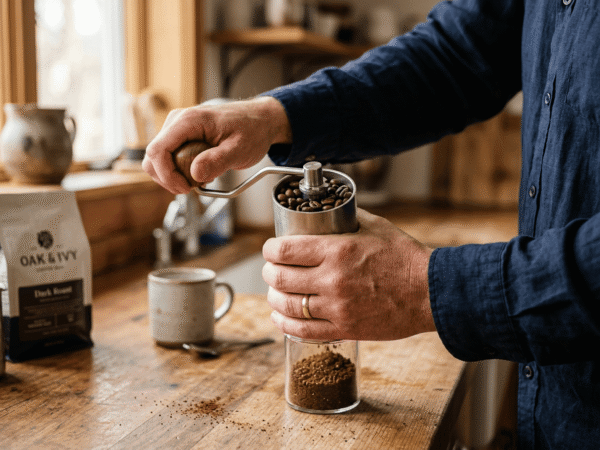
That said, let’s be honest — grinding your own beans takes a bit more time and equipment. If you don’t own a grinder, you can start with a simple hand coffee grinder, which costs less than a couple bags of specialty coffee and gives you noticeably better results than pre-ground.
Pro Tip: If you must buy pre-ground coffee (no judgment — convenience matters), look for bags with a “roasted on” date rather than a “best by” date. And try to use the bag within two weeks of opening.
How to Store Your Coffee Beans
You’ve invested in great beans. Don’t let them go stale on your counter.
The four enemies of coffee freshness are oxygen, moisture, heat, and light. Your storage solution needs to protect against all four.
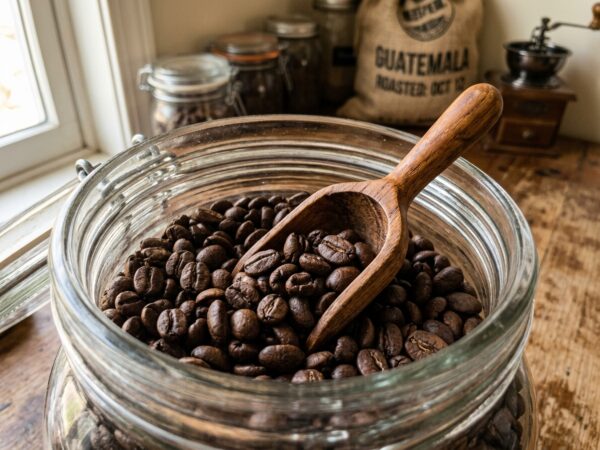
Keep beans in an opaque, airtight container at room temperature. A cool, dark pantry shelf works perfectly. Avoid storing coffee near the stove, in direct sunlight, or — this one surprises people — in the refrigerator. The fridge is humid, and coffee is porous. It’ll absorb odors from whatever else is in there. Nobody wants garlic-scented Ethiopian Yirgacheffe.
What about the freezer? This one’s debated. If you’ve bought more beans than you can use in two to three weeks, freezing them in a sealed, airtight bag with as little air as possible can preserve freshness. But don’t freeze and thaw repeatedly — take out only what you need and keep the rest frozen. If you want to go deeper on this, there’s a solid guide on proper coffee bean storage that covers all the details.
Single Origin vs. Blends: Which Is Better?
Neither. They’re different tools for different goals.
Single-origin beans come from one country, region, or even one specific farm. They showcase what makes that particular place unique. If you enjoy exploring flavors and appreciate the differences between, say, a natural-process Ethiopian and a washed Guatemalan, single origins are where the fun is.
Blends combine beans from multiple origins (and sometimes multiple roast levels) to create a specific, consistent flavor profile. Most coffee shops use blends for their house coffee and espresso because blends can be engineered for balance. A roaster might pair a bright Kenyan with a chocolatey Brazilian to get a cup that has both liveliness and body.
Here’s a practical way to think about it: single origins are for exploration; blends are for reliability. Your Tuesday morning autopilot cup? A good blend is your friend. Your lazy Sunday afternoon coffee experiment? That’s single-origin territory.
Processing Methods: The Hidden Flavor Factor
Most people never think about how coffee is processed after picking, but it’s one of the biggest flavor influences — arguably as important as origin and roast level.
Washed (Wet) Process
The coffee cherry’s fruit is removed mechanically before the bean is dried. This produces a clean, bright cup where you taste the bean itself more than the fruit it came from. Most Central American, East African, and Colombian coffees are washed.
Natural (Dry) Process
The whole cherry is dried around the bean, sometimes for weeks, before the fruit is removed. The bean ferments inside the fruit, picking up intense sweetness and berry-like flavors. Natural-process coffees can taste almost wine-like. This method is traditional in Ethiopia and Brazil.
Honey Process
A middle ground. Some of the cherry’s mucilage (the sticky, sweet layer around the bean) is left on during drying. The result is a cup with more sweetness and body than washed, but less wild fruitiness than natural. Honey processing is popular in Costa Rica and El Salvador.
Understanding processing methods helps explain why two Ethiopian coffees from the same region can taste completely different. If a bag says “washed” or “natural,” that’s actually useful information — not just marketing jargon.
What to Look for on the Bag
The packaging tells you a lot, if you know where to look. Here’s what actually matters.
Roast date is the single most important piece of information. Look for a specific date, not a vague “best by” date months away. Ideally, you want beans roasted within the last two to four weeks. For espresso, many people find beans hit their peak 7-14 days after roasting, once they’ve had time to degas.
Origin information — the more specific, the better. “100% Colombian” is okay. “Colombian, Huila Region, Finca La Esperanza, 1,800 meters” is much better. Specificity usually signals that the roaster cares about traceability and quality.
Processing method (washed, natural, honey) helps you predict the flavor profile, as we discussed above.
Roast level — most bags will say light, medium, or dark. Some specialty roasters use more specific terminology (City, Full City, Vienna, French), but the light-medium-dark scale works for most people.
Tasting notes are the roaster’s suggestions for what flavors you might detect. Don’t stress if you can’t taste “sun-dried tomato and elderflower.” These notes are subjective guidelines, not pass-fail tests.
Certifications like Fair Trade, Rainforest Alliance, or Organic tell you something about how the coffee was sourced and grown. They don’t guarantee flavor quality, but they can indicate ethical sourcing practices, which matters to a lot of buyers.
How Much Should You Spend?
Coffee pricing varies wildly, from $6 grocery store bags to $30+ specialty roaster offerings. Where does value actually live?
Under about $10 per 12 oz bag, you’re usually getting commodity-grade coffee — mass-roasted, often months old, and blended for consistency rather than flavor. It’ll make a functional cup, but it won’t excite you.
In the $12-$20 range, you start finding freshly roasted beans from reputable regional roasters. This is where most people get the best bang for their buck. The quality jump from a $8 supermarket bag to a $15 bag from a local roaster is enormous — much bigger than the jump from $15 to $30.
Above $20, you’re paying for rarity, specific micro-lots, experimental processing, or highly sought-after origins. The quality is often genuinely exceptional, but the law of diminishing returns applies. A $35 Gesha varietal from Panama’s Hacienda La Esmeralda might be a transcendent experience, or it might taste only marginally better than a $16 Colombian to an untrained palate.
Warning: Price alone isn’t a reliable indicator of quality. Some overpriced beans ride on marketing and trendy packaging. Some under-the-radar roasters sell stunning coffee for $14 a bag. Trust your taste buds over the price tag.
A Simple Way to Find Your Favorite Bean
If you’re feeling overwhelmed by all the options, here’s a straightforward approach that works.
Start with a medium-roast Colombian or Brazilian from a local or online specialty roaster. These origins tend to be balanced and crowd-pleasing. Brew it with your usual method. Pay attention to what you like and what you wish were different.
If you want more brightness and fruit, try an Ethiopian or Kenyan light roast next. If you want more body and earthiness, go for a Sumatran or dark-roast blend. If you want less bitterness, move toward lighter roasts and washed processing. If you want more sweetness, try natural-process beans.
Each bag teaches you something about your preferences. Within three or four bags, you’ll have a much clearer sense of what “the best coffee bean” means for you.
FAQ
What is the best coffee bean for beginners?
A medium-roast Colombian or Brazilian Arabica is an excellent starting point. These beans offer balanced flavor — not too acidic, not too bitter — and work well with almost every brew method. They’re widely available from both grocery stores and specialty roasters, so they’re easy to find.
How long do coffee beans stay fresh?
Whole coffee beans taste best within two to four weeks of their roast date when stored properly in an airtight, opaque container at room temperature. After about a month, they’ll start losing noticeable flavor and aroma. Ground coffee degrades much faster — ideally, use it within a week or two of grinding.
Are expensive coffee beans worth the money?
Sometimes. The biggest quality improvement usually happens between cheap commodity coffee and mid-range specialty coffee (roughly $12-$18 per 12 oz bag). Beyond that, you’re often paying for rarity or exclusivity. A $40 bag of Panama Gesha is a special experience, but it isn’t necessarily five times better than a $12 bag of well-roasted Colombian. If you’re new to specialty coffee, start in the mid-range and work up if you’re curious.
Does the coffee bean variety matter?
Yes. Beyond the Arabica vs. Robusta distinction, there are hundreds of Arabica varieties (cultivars) that taste quite different. Bourbon and Typica are classic, well-loved varieties with clean sweetness. SL-28 and SL-34 (common in Kenya) produce vibrant, complex cups. Gesha (or Geisha), originally from Ethiopia but famously grown in Panama, is considered by many specialty professionals to be the most flavorful variety in the world — and it’s priced accordingly.
Should I buy whole bean or pre-ground coffee?
Whole bean is almost always the better choice if you’re willing to grind at home. Freshly ground beans produce a noticeably better cup because the aromatics and oils haven’t had time to oxidize. Even a basic hand grinder makes a difference. Pre-ground coffee is fine for convenience, but try to use it quickly once the bag is opened.
Your Next Step
Finding the best coffee bean doesn’t require a sommelier’s palate or a huge budget. It just takes a little curiosity and a willingness to try something different from your usual bag. Pick one recommendation from this guide — maybe a new origin, a different roast level, or just a fresher bag from a local roaster — and see how it changes your morning. Your taste buds will tell you everything you need to know. And once you find your bean, that first sip every morning gets a whole lot better.