The average American drinks about 3 cups of coffee a day. That’s over a thousand cups a year. If your drip coffee maker can’t get it right, you’re drinking a thousand cups of mediocre coffee — and you deserve better than that.
Here’s the thing about drip coffee makers: they look simple. Water goes in, coffee comes out. But the difference between a $30 machine and a $300 one isn’t just the price tag. It’s water temperature consistency, brew time precision, showerhead design, and a dozen other factors that separate a flat, lifeless cup from something that actually makes you pause mid-sip.
I’ve spent years testing, comparing, and frankly being disappointed by coffee makers that promise the world and deliver lukewarm water dripping over stale grounds. So let’s cut through the noise. Whether you’re replacing an old machine or buying your first one, this guide will help you figure out exactly what you need — and what you don’t.
What Actually Makes a Drip Coffee Maker “Good”?
Before we talk brands and models, you need to understand what separates a great drip coffee maker from the ones collecting dust at garage sales. Because if you don’t know what to look for, every shiny machine on Amazon looks like the right choice.
Brew Temperature
The Specialty Coffee Association (SCA) says water should hit your coffee grounds between 197°F and 205°F. That’s the sweet spot where proper extraction happens. Too cold, and your coffee tastes sour and weak. Too hot, and it gets bitter and harsh.
Most cheap machines can’t hold this range consistently. They start off too cool and overshoot later in the brew cycle. The best drip coffee makers maintain temperature within a degree or two throughout the entire process. That’s where you’ll notice the biggest difference in taste.
Showerhead Design
Ever seen a drip machine where water just dribbles from one spot onto the grounds? That’s a problem. Uneven saturation means some grounds get over-extracted while others barely get wet. A good showerhead spreads water evenly across the entire bed of coffee, almost like a gentle rain. This sounds like a small detail — it’s not.
Brew Time
Your full pot should take roughly 4 to 8 minutes depending on volume. Too fast, and the water doesn’t spend enough time with the grounds to pull out flavor. Too slow, and you’re over-extracting. The machines that get this right are the ones that taste noticeably better.
Build Quality and Carafe Type
Glass carafes are classic, but they need a hot plate to keep coffee warm — and hot plates cook your coffee over time. Thermal carafes keep coffee hot for hours without that burnt taste. Your choice here really depends on how quickly you drink through a pot.
If you’re curious about how drip coffee stacks up against other brewing methods, our comparison of French press versus drip coffee breaks it down in detail.
Best Drip Coffee Makers Worth Your Money in 2025
Let me walk you through the machines that actually deliver. I’m not listing 20 options because nobody needs that many choices. These are the ones that consistently stand out.
Technivorm Moccamaster KBGV Select — The Gold Standard
Price range: ~$310–$350
There’s a reason the Moccamaster has been the go-to recommendation for over a decade. It’s SCA-certified, handmade in the Netherlands, and built to last 10+ years. The copper boiling element heats water to the perfect temperature and maintains it throughout brewing. The showerhead gives you even saturation. And the thermal carafe version keeps coffee hot for hours.
Is it expensive? Yes. But when you break it down per cup over its lifespan, it’s actually one of the cheapest options out there. Plus, Technivorm offers a 5-year warranty, and replacement parts are readily available.
Who it’s for: Anyone who values consistency and longevity and doesn’t mind paying upfront for quality that lasts.
One honest drawback: It doesn’t have programmability. No delay brew, no app control. It’s a manual on/off machine. If you want to wake up to fresh coffee, you’ll need a smart plug or an alarm.
Breville Precision Brewer — The Customizer’s Dream
Price range: ~$280–$330
If the Moccamaster is a perfectly tuned instrument, the Breville Precision Brewer is a full studio. You can adjust bloom time, brew temperature, flow rate, and even switch between modes for pour-over, cold brew, and standard drip. It’s also SCA-certified.
The flat-bottom brew basket with a wide showerhead delivers remarkably even extraction. And the “Gold” mode mimics what SCA judges look for in competition-grade coffee.
Who it’s for: Coffee nerds who want to tweak every variable. Also great for households where different people like different brew styles.
One honest drawback: The interface has a learning curve. If you just want to press a button and go, this machine might feel like overkill. Some users also report that the build quality doesn’t quite match the Moccamaster’s tank-like durability.
Braun MultiServe — Versatility Without Complexity
Price range: ~$130–$170
The Braun MultiServe hits a sweet spot that a lot of people are looking for: SCA-certified performance at a mid-range price, with the ability to brew different quantities — from a single cup to a full carafe. The “ExactBrew” system adjusts brew time based on how much coffee you’re making, so a small batch doesn’t taste watered down.
It also has a programmable delay brew feature, which the Moccamaster doesn’t offer.
Who it’s for: Families where one person wants a single cup in the morning and another person wants a full pot.
One honest drawback: The thermal carafe lid can be fiddly to clean, and some users wish it kept coffee hot a bit longer.
Ninja Specialty Coffee Maker (CM401) — Best for Flavor Variety
Price range: ~$100–$150
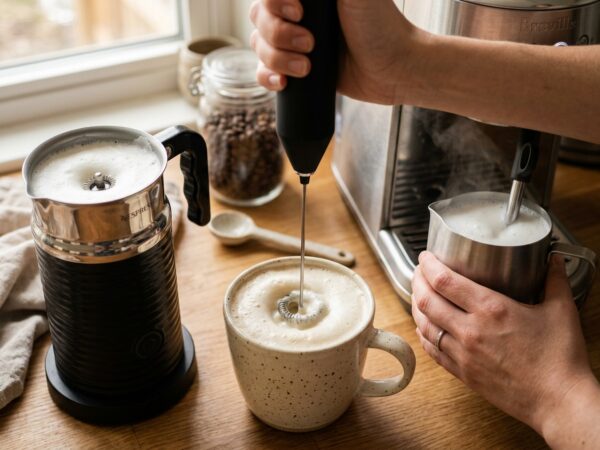
Ninja might not have the heritage of Technivorm, but don’t sleep on this machine. It offers multiple brew styles — classic, rich, over-ice, and specialty (small, concentrated brew for lattes). The fold-away frother is a nice bonus if you’re into milk-based drinks.
It brews at the right temperature and gives you surprisingly good flavor for the price. If you’re someone who gets bored of the same cup every day, this gives you room to experiment.
If you enjoy making specialty drinks at home, you might also like our guide on how to make a coffee latte with a frother.
Who it’s for: People who want more than just black drip coffee but aren’t ready to invest in separate machines for every style.
One honest drawback: The carafe design isn’t the best — it can drip when pouring, and the hot plate runs a bit warm.
OXO Brew 9-Cup — Quiet Confidence
Price range: ~$170–$200
OXO’s drip coffee maker is another SCA-certified option that doesn’t try to be flashy. The rainmaker showerhead is one of the best in this price range, and the microprocessor-controlled brewing maintains optimal temperature throughout the cycle. It makes a clean, balanced cup with minimal effort.
The design is sleek and takes up less counter space than many competitors. The thermal carafe is solid, and the single-serve option lets you brew a smaller amount without compromising quality.
Who it’s for: Someone who wants SCA-certified quality in a compact, no-fuss machine at a reasonable price.
One honest drawback: You can’t adjust brew strength or temperature. It does one thing — standard drip — and does it well. If you want customization, look at the Breville.
Best Budget Pick: Hamilton Beach 46310 — Under $50 Done Right
Price range: ~$35–$50
Let’s be real — not everyone wants to spend $300 on a coffee maker, and that’s perfectly fine. The Hamilton Beach 46310 gives you programmable brewing, a decent thermal carafe, and front-fill access so you don’t have to pull the machine out from under cabinets.
It won’t match the flavor of an SCA-certified machine. The water temperature runs slightly low, and the showerhead isn’t as even. But for the price? It makes a solid, consistent cup that beats most coffee shop drip.
If you’re looking for even more affordable options, check out our roundup of the best cheap coffee makers and best drip coffee makers under $100.
Who it’s for: Budget-conscious buyers who want reliability without bells and whistles.
One honest drawback: The thermal carafe doesn’t insulate as well as premium options. Coffee starts cooling noticeably after about an hour.
Thermal Carafe vs. Glass Carafe — Which Should You Pick?
This decision matters more than most people think, and it goes beyond just “keeping coffee hot.”
A glass carafe with a hot plate lets you see how much coffee is left (handy in a busy household) and keeps it warm indefinitely. But here’s the trade-off: that hot plate continues cooking your coffee. After about 20 minutes, the flavor profile starts degrading. After 45 minutes, it’s a different drink entirely — bitter and flat.
A thermal carafe removes the hot plate from the equation. Your coffee stops brewing the moment it hits the carafe, so the flavor stays closer to what the brewer intended. A good thermal carafe keeps coffee drinkable for 2–4 hours. The downside? You can’t see the fill level, and thermal carafes require more effort to clean properly.
Pro Tip: If you drink your entire pot within 20 minutes, glass is fine. If you sip throughout the morning, thermal is the clear winner.
The Grind Makes or Breaks Your Drip Coffee
You can spend $350 on the best drip coffee maker on the market, but if you’re using pre-ground coffee from a bag that’s been open for three weeks, you’re wasting most of that investment.
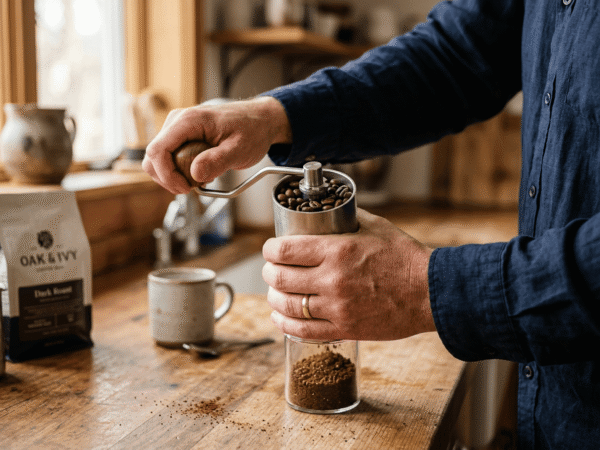
Freshly ground coffee makes a dramatic difference. We’re talking about a 30–40% improvement in flavor, depending on how stale your pre-ground was. For drip coffee, you want a medium grind — roughly the texture of sand. Too fine and you’ll get over-extraction and bitterness. Too coarse and water flows through too quickly, giving you a weak, sour cup.
A quality burr grinder is the best companion for your drip machine. If you don’t have one yet, our guide on the best coffee grinder for drip coffee can point you in the right direction. Or, if you want a machine that handles grinding too, take a look at the best drip coffee makers with a built-in grinder.
Did you know? Coffee begins losing aromatic compounds within 15 minutes of being ground. Those compounds are responsible for most of what you perceive as “flavor.” Grinding right before brewing is the single easiest upgrade you can make.
Water Quality — The Ingredient Nobody Talks About
Your brewed coffee is roughly 98% water. That means the water you use has an outsized impact on taste. If your tap water tastes off — too chlorinated, too mineral-heavy, or too flat — your coffee will carry those flavors.
Filtered water is the safest bet. You don’t need to go crazy with distilled or reverse osmosis water — those can actually make coffee taste flat because they lack the minerals that help with extraction. A simple Brita filter or refrigerator filter removes chlorine and sediment while keeping enough mineral content for good brewing.
The SCA recommends water with a total dissolved solids (TDS) level between 75 and 250 mg/L for optimal coffee extraction. Most municipal tap water falls within this range after basic filtering.
Getting the Most Out of Your Drip Coffee Maker
Buying a great machine is step one. Using it properly is where the real magic happens.
The Right Coffee-to-Water Ratio
Start with 1 to 2 tablespoons of ground coffee per 6 ounces of water. The SCA’s golden ratio is approximately 1:18 (coffee to water by weight), which translates to about 55 grams of coffee per liter of water. If that sounds too precise, just use a kitchen scale for a week until you learn your preference — then eyeball it from there.
Keep Your Machine Clean
Coffee oils build up inside your brewer over time. Those oils go rancid and add a stale, bitter note to every pot you make. Run a cleaning cycle with a 1:1 mixture of white vinegar and water once a month. Follow it with two cycles of plain water to rinse. Some machines have a dedicated cleaning mode — use it.
Mineral buildup (scale) is another enemy, especially if you have hard water. Descaling every 2–3 months keeps water flowing at the right rate and temperature.
Don’t Let Coffee Sit Too Long
Even in a thermal carafe, coffee quality drops after a couple of hours. The best cup is the one you pour within the first 30 minutes. If you’re a slow sipper, consider brewing smaller batches more often instead of one big pot.
Store Your Beans Properly
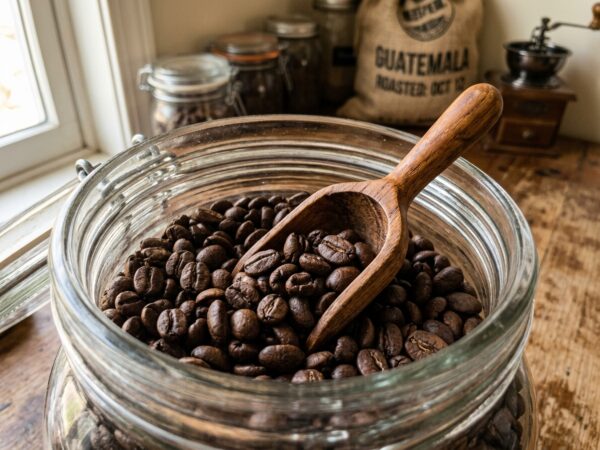
This isn’t about the machine, but it directly affects what comes out of it. Keep whole beans in an airtight, opaque container at room temperature. Not in the freezer — the moisture from freezing and thawing degrades the beans faster than you’d think. For a deeper look at this topic, our coffee bean storage guide covers everything you need to know.
What About SCA Certification — Does It Actually Matter?
The Specialty Coffee Association’s “Certified Home Brewer” program tests machines against strict performance standards: brew temperature, contact time, extraction percentage, and beverage strength. Only a handful of machines earn this certification.
Does it matter? Here’s my honest take: it’s a reliable indicator of quality, but it’s not the only one. Some excellent machines (like the Ninja CM401) don’t have SCA certification but still make fantastic coffee. And some SCA-certified machines might not suit your specific needs if you want features like programmability or single-serve options that aren’t part of the certification criteria.
Think of SCA certification as a trust signal, not a requirement. If a machine has it, you know it’ll brew well. If it doesn’t, it’s not automatically a bad machine — it just means you need to do a bit more research on brew temperature and extraction quality.
Should You Buy a Small or Full-Size Drip Maker?
This depends entirely on your household. A 12-cup machine for a single person is overkill — you’ll either waste coffee or let it sit until it’s stale. A 4-cup machine for a family of four means someone’s always waiting for the next batch.
For 1–2 people: A 4–6 cup machine works perfectly. These are smaller, heat up faster, and waste less coffee. If space is tight, our picks for the best small drip coffee makers are worth a look.
For 3+ people or entertaining: Go for 8–12 cups. The Moccamaster, Breville, and OXO all handle full pots without sacrificing brew quality.
Quick Note: “Cups” in coffee maker terms usually means 5–6 ounce cups, not the 12-ounce mugs most of us actually use. So a “12-cup” machine makes about 6 real-world mugs of coffee. Keep that in mind when choosing your size.
Drip Coffee Maker vs. Other Brewing Methods
If you’re still on the fence about whether a drip machine is right for you, it helps to understand where it sits in the broader world of coffee brewing.
Drip vs. Pour-over: A drip machine automates what a pour-over does manually. You’ll get more control and nuance from a pour-over, but a drip machine gives you consistency and convenience — especially on groggy mornings. If you’re curious about pour-over brewing, our pour-over drip coffee maker guide compares both approaches.
Drip vs. French press: French press gives you a fuller, heavier body because the metal filter lets oils through. Drip coffee is cleaner and lighter. Neither is “better” — it’s about what you prefer in your cup.
Drip vs. Percolator: Percolators cycle water through grounds multiple times, which can lead to over-extraction. Drip machines only pass water through once, giving you a more balanced flavor. If you want a side-by-side breakdown, check out our percolator vs. French press comparison for a broader look at traditional brewing methods.
The biggest advantage of drip? It’s hands-off. You set it up, press a button, and walk away. For busy mornings, that’s hard to beat.
FAQ
What is the best drip coffee maker for home use in 2025?
The Technivorm Moccamaster KBGV Select remains the top overall pick for most people. It’s SCA-certified, built to last a decade or more, and consistently brews coffee at the correct temperature. If you want more features and customization, the Breville Precision Brewer is a strong alternative. For budget buyers, the Ninja CM401 offers excellent value under $150.
How often should I clean my drip coffee maker?
Run a vinegar-water cleaning cycle once a month if you use your machine daily. Descale every 2–3 months, or more frequently if you have hard water. Wash the carafe and brew basket after every use with warm soapy water. Neglecting cleaning is the number one reason good machines start making bad coffee.
Does a more expensive drip coffee maker really taste better?
Yes, up to a point. The biggest improvement happens when you move from a sub-$50 machine to something in the $100–$200 range — that’s where you get consistent brew temperature and better showerhead design. Beyond $200, you’re paying for durability, build quality, and specific features. The jump in taste quality from a $200 to a $350 machine is real but more subtle than the jump from $40 to $150.
Are SCA-certified coffee makers worth the extra cost?
SCA certification guarantees the machine meets professional standards for temperature, brew time, and extraction. If you care about flavor consistency and don’t want to gamble on a random Amazon listing, it’s a reliable shortcut. That said, some non-certified machines perform very well — certification is a helpful indicator, not a requirement.
What grind size should I use for drip coffee?
A medium grind, similar to the texture of regular sand, works best for most drip machines. If your coffee tastes bitter, try going slightly coarser. If it tastes sour or weak, go slightly finer. The exact sweet spot can vary by machine, so expect a little experimentation when you start.
Your Next Cup Doesn’t Have to Be Average
A good drip coffee maker pays for itself — not just in money saved versus café runs, but in the genuine pleasure of starting your morning with a cup that actually tastes the way coffee should. You don’t need the most expensive option on this list. You just need one that matches your habits, your household, and your taste.
Pick the right grind, use filtered water, keep the machine clean, and you’ll wonder why you tolerated mediocre coffee for so long. And if you’ve already got a machine you love? Try upgrading your beans or your grinder first — that alone can transform your daily cup from routine to ritual.