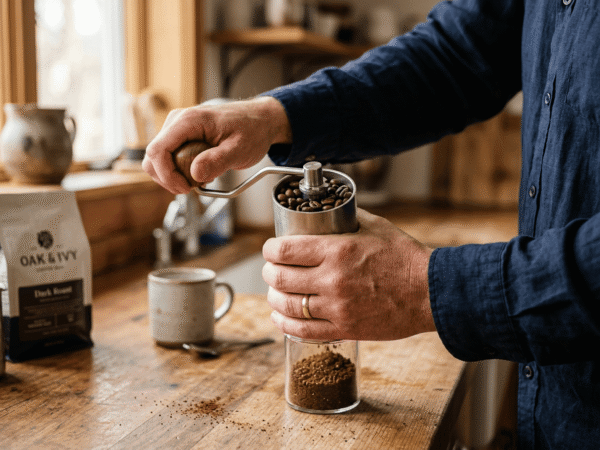
You spent ten minutes grinding fresh beans, carefully measuring your water temperature, and brewing a cup that smells like a warm hug. Then two hours later, you take a sip and it’s lukewarm at best. All that effort, wasted.
Sound familiar? You’re not alone. Finding a thermos that genuinely keeps coffee hot — not just warm, but hot — without turning the flavor metallic or stale is harder than it should be. The market is flooded with options, and most of them overpromise. Some claim 24-hour heat retention but barely make it past lunch.
That’s exactly why I put this guide together. I’ve spent weeks comparing materials, testing insulation claims, and reading through thousands of real user reviews. Whether you’re commuting to work, heading out on a hike, or just want your afternoon cup to taste as good as the morning one, this guide will help you pick the best thermos for coffee without the guesswork.
Why Your Coffee Thermos Actually Matters More Than You Think
Let’s talk about something most people overlook. Your thermos isn’t just a container — it directly affects how your coffee tastes hours after brewing.
Coffee is a complex drink. It has over 1,000 chemical compounds that contribute to its flavor, aroma, and body. When coffee sits in a poorly insulated container, it doesn’t just lose heat. It undergoes continued oxidation and chemical degradation that turns a rich, nuanced cup into something flat, bitter, and stale.
A good thermos slows this process down. By maintaining a stable temperature and minimizing air exposure, it preserves the flavor profile you worked so hard to create. If you care enough to pick the right beans and dial in your brew method, skimping on the thermos is like buying a sports car and putting regular gas in it.
Temperature matters for another practical reason too. Coffee brewed between 195°F and 205°F tastes best when consumed between 150°F and 165°F. Below 140°F, the flavor compounds shift noticeably. Most people describe this as “flat” or “off.” A quality thermos keeps your coffee in that sweet spot for several hours, not just forty-five minutes.
What Makes a Great Coffee Thermos? Key Things to Look For
Before we get into specific products, you need to understand what separates a great coffee thermos from a mediocre one. Because here’s the thing — two thermoses can look almost identical on the outside and perform completely differently.
Insulation Technology
The gold standard is vacuum insulation, specifically double-walled vacuum insulation. Here’s how it works: two walls of stainless steel with a vacuum-sealed gap between them. Since heat needs molecules to travel through (conduction and convection), the vacuum essentially eliminates two of the three heat transfer methods. Only radiation remains, and the reflective inner walls minimize that too.
Some cheaper thermoses use foam insulation instead. It works, but not nearly as well or for as long. If a product doesn’t specifically say “vacuum insulated,” be skeptical.
Material Quality
Stainless steel dominates the high-quality thermos market, and for good reason. It’s durable, doesn’t leach flavors, resists corrosion, and handles daily abuse. Look for 18/8 stainless steel (sometimes listed as 304 grade) — the numbers refer to chromium and nickel content, which determine rust resistance and durability.
The interior finish matters too. Some thermoses have an electropolished interior that resists coffee stains and flavor absorption. This means yesterday’s dark roast won’t haunt today’s light roast.
Lid Design
Here’s where a lot of thermoses quietly fail. The lid is the weakest point in any thermos’s heat retention. Heat escapes most easily from the top, so the lid’s insulation and seal quality can make or break performance.
Look for lids with minimal metal contact to the outside (metal conducts heat fast). Some premium models use insulated lids with an inner plug design rather than a simple screw cap. And obviously, it needs to be leak-proof — there’s nothing worse than opening your bag to find coffee everywhere.
Capacity
This is personal, but think about how you actually drink coffee. Do you nurse one big cup through a long morning? Do you want enough for two or three servings? Or do you need something compact for a quick commute?
Sizes typically range from 12 oz to 40 oz. Keep in mind that a fuller thermos retains heat longer than a half-empty one. More hot liquid means more thermal mass, which means slower cooling. So buying a 32 oz thermos and filling it halfway actually hurts performance.
The Best Thermos for Coffee: Top Picks for 2025
I’ve evaluated these based on heat retention, build quality, taste preservation, ease of use, and value. No filler picks here — each one earned its spot.
Stanley Classic Legendary Bottle — The Reliable Workhorse
Stanley has been making thermoses since 1913. That’s over a century of experience, and the Classic Legendary Bottle shows it. The latest version maintains the iconic hammer-tone green design but with updated vacuum insulation that keeps coffee hot for up to 24 hours (their claim) and realistically delivers hot-enough coffee for about 12 to 16 hours in most conditions.
The build quality is borderline overkill. You could drop this off a truck and find maybe a dent but no loss in function. The lid doubles as a cup — an old-school touch that’s actually still useful. It comes in 1.1 qt, 1.5 qt, and 2 qt sizes.
Where it shines: Durability, brand trust, excellent heat retention, lifetime warranty. If you’re taking coffee to a job site, a camping trip, or anywhere rough, this is your pick.
Where it doesn’t: It’s heavy. The classic bottle isn’t designed for one-handed sipping while driving. It’s a pour-and-drink thermos, not a travel mug replacement. If you’re using a dedicated travel coffee mug for commuting, the Stanley Classic is better suited for stationary use or pouring into a separate cup.
Pro Tip: Always pre-heat your Stanley (or any thermos) by filling it with hot water for 5 minutes before adding your coffee. This simple step can add 1–2 hours of heat retention.
Zojirushi SM-SA48 — The Flavor Purist’s Pick
If flavor preservation is your top priority, Zojirushi is the name to know. This Japanese brand has a near-fanatical following among coffee enthusiasts, and the SM-SA48 is why.
The interior uses a Teflon-like SlickSteel coating that resists stains and odors better than almost anything else on the market. This means your coffee tastes like coffee — not like the ghost of yesterday’s brew. The vacuum insulation keeps drinks hot for about 6 hours at a genuinely drinkable temperature (around 160°F after 6 hours in most tests).
The lid disassembles completely for thorough cleaning, which sounds minor but makes a real difference over months of use. Coffee oils build up inside lids, and if you can’t clean every gasket and crevice, you’ll eventually taste rancid oil in every sip.
Where it shines: Flavor purity, lightweight design (only about 7 oz empty), compact shape that fits in car cup holders and bag pockets, one-handed open/close mechanism.
Where it doesn’t: The 16 oz capacity is small for people who want a lot of coffee. Heat retention isn’t quite as extreme as the Stanley — it’s designed for same-day drinking, not overnight. Also, the locking mechanism feels slightly delicate compared to more rugged options.
YETI Rambler Bottle with Chug Cap — Built Like a Tank
YETI built its reputation on coolers that could survive a bear attack, and their Rambler bottles carry that same tough DNA. The 18/8 stainless steel body with double-wall vacuum insulation is rock solid. There’s a No Sweat design that prevents condensation on the outside, so your hands and bag stay dry.
What I appreciate about the Rambler is the versatility. YETI sells multiple lid options separately — a chug cap, a straw lid, a hot shot cap designed specifically for hot drinks. This modularity lets you customize the thermos for different situations.
Heat retention sits comfortably in the 6-to-10-hour range for genuinely hot coffee, depending on conditions. Not the longest on this list, but absolutely dependable.
Where it shines: Extreme durability, brand ecosystem of interchangeable lids, dishwasher-safe construction, wide color range.
Where it doesn’t: Pricey. You’re paying a premium for the YETI name, and while the quality justifies a higher price, some competitors deliver similar performance for less. The wide-mouth design also makes sipping directly a bit awkward — you’ll want the hot shot cap specifically for coffee.
Thermos Stainless King — The Original Name in the Game
Yes, the company is literally named “Thermos.” The Stainless King is their flagship, and it deserves attention. Thermos patented vacuum insulation technology, and the Stainless King benefits from decades of refinement.
This one keeps coffee hot for up to 24 hours according to Thermos’s testing. Real-world results? You’re looking at solidly hot coffee for 10 to 14 hours, which is excellent. The built-in cup on top and the drinklock stopper (a twist-and-pour mechanism that minimizes heat escape) are thoughtful engineering details.
At typically $25 to $35, the Stainless King hits a sweet spot of price and performance that’s hard to beat.
Where it shines: Heritage brand quality, strong heat retention, competitive price, built-in serving cup, solid 40 oz capacity option for people who need volume.
Where it doesn’t: The look is purely functional — there’s nothing trendy or Instagram-worthy about it. The stopper mechanism can be fiddly if your hands are cold or wet. And like the Stanley, this is a pour-from thermos, not a drink-from thermos.
Hydro Flask Wide Mouth with Flex Sip Lid — The Everyday Carrier
Hydro Flask made its name with water bottles, but their insulated bottles work beautifully for coffee too. The TempShield insulation (their branding for double-wall vacuum) delivers about 6 to 12 hours of heat retention depending on size.
What makes the Hydro Flask stand out for daily coffee drinkers is the combination of good performance with genuinely pleasant everyday usability. The powder-coated exterior feels great in hand and doesn’t slip. The Flex Sip Lid turns it into a proper drinking vessel. It fits standard cup holders. And it comes in a ridiculous number of colors and sizes.
Where it shines: Design and aesthetics, comfortable daily carry, good (not extreme) heat retention, wide accessories ecosystem.
Where it doesn’t: Not the longest heat retention on this list. The price creeps up once you add specialty lids. And the wide mouth means faster heat loss compared to narrow-mouth designs when you’re frequently opening it.
Thermos vs. Travel Mug: Which One Do You Actually Need?
People use these terms interchangeably, but they serve different purposes. Understanding the difference will save you from buying the wrong product.
A thermos (or vacuum bottle) is designed to store and preserve temperature for long periods. You typically pour from it into a cup. Think of it like a portable carafe. Maximum heat retention, minimum interaction with the outside environment.
A travel mug is designed for drinking on the go. It has a sip-friendly lid, fits in cup holders, and prioritizes accessibility over maximum insulation. You’re opening and closing it frequently, which inevitably lets heat escape.
If your morning routine involves brewing coffee at 6 AM and wanting it hot at 2 PM, you want a thermos. If you’re grabbing coffee and drinking it during a 45-minute commute, a travel mug makes more sense. Some people even use both — brew into a thermos, pour into a travel mug when they’re ready to drink.
How Different Brewing Methods Affect Your Thermos Choice
Here’s something most thermos guides completely ignore: what you put in the thermos matters as much as the thermos itself.
French press coffee is full-bodied and has fine sediment. If you brew with a French press and pour directly into a narrow-mouth thermos, sediment can clog the pouring mechanism. A wide-mouth thermos is better here. Also, French press coffee continues to extract from any grounds that make it into the thermos, potentially turning bitter. Filter your coffee before thermos storage, or use a finer grind size that produces less silt.
Pour-over and drip coffee translate beautifully into a thermos. They’re clean, sediment-free, and have a flavor profile that holds up well over hours. If you’re using a drip coffee maker with a thermal carafe, you might wonder why you need a thermos at all — and honestly, for home use, you might not. The thermos becomes essential when you need portability.
Cold brew is an interesting case. If you like your cold brew cold, any vacuum-insulated thermos will keep it chilled for 12+ hours. Cold retention is actually easier than heat retention for most thermoses because the ambient temperature differential is usually smaller.
Espresso-based drinks with milk (lattes, cappuccinos) have a shorter shelf life in any container. Dairy doesn’t hold well over many hours, and the texture degrades. If you’re storing a latte in a thermos, plan to drink it within 4 to 5 hours max.
The Pre-Heat Trick Nobody Talks About Enough
I mentioned this briefly under the Stanley section, but it deserves its own spotlight because it’s the single biggest thing you can do to improve thermos performance — and most people skip it.
When you pour hot coffee into a room-temperature thermos, the steel walls immediately absorb heat from your coffee. The first thing your coffee does is warm up the thermos itself. That can drop the coffee temperature by 10 to 15 degrees right off the bat.
The fix is dead simple. Boil some water. Pour it into your thermos. Let it sit for 3 to 5 minutes. Dump the water. Now pour in your coffee. The walls are already hot, so your coffee doesn’t sacrifice its own heat warming them up.
In testing, this simple step extends effective heat retention by 1 to 3 hours. Free upgrade, zero cost.
Quick Fact: This same logic works in reverse for cold drinks. Pre-chill your thermos with ice water before adding cold brew.
Common Mistakes That Ruin Thermos Performance
Even with a great thermos, bad habits can undermine its performance. Here are the most frequent mistakes I see:
Not filling it enough. A thermos that’s only one-third full has two-thirds air inside. Air cools faster than liquid, and it creates a larger surface area for heat exchange. Fill your thermos as full as practical. If you regularly only need 12 oz of coffee, buy a 16 oz thermos — not a 32 oz one.
Leaving the lid off or loose. This sounds obvious, but even a slightly loose lid creates a gap for steam to escape. Steam carries enormous amounts of heat energy. Seal it tight immediately after pouring.
Using a dirty thermos. Coffee oils accumulate inside and go rancid over time. A rancid oil layer doesn’t affect insulation, but it absolutely destroys the taste of your coffee. Deep clean your thermos weekly with baking soda and warm water, or use bottle-cleaning tablets.
Putting it in the dishwasher when you shouldn’t. Some thermoses are dishwasher-safe (YETI, for example). Many are not. The intense heat and harsh detergents can damage vacuum seals and exterior finishes over time. Always check the manufacturer’s instructions. When in doubt, hand wash.
Adding milk or cream before storing. If you’re storing coffee for more than a couple of hours, keep it black in the thermos and add dairy when you’re ready to drink. Dairy changes the cooling rate and can spoil in a warm environment, which is exactly what a thermos creates.
How to Clean Your Coffee Thermos Without Damaging It
Coffee stains and lingering odors are the two biggest complaints thermos owners have. Here’s what actually works:
For daily cleaning, warm water and a drop of dish soap with a bottle brush does the job. Rinse thoroughly. Air dry with the lid off — this is crucial because trapped moisture breeds bacteria and funky smells.
For deep cleaning, mix one tablespoon of baking soda with warm water inside the thermos. Let it sit for 30 minutes (or overnight for stubborn stains). Scrub, rinse, done. Baking soda is mildly abrasive and excellent at neutralizing odors without scratching the interior.
For stubborn coffee stains, white vinegar works well. Fill the thermos halfway with vinegar and halfway with hot water. Let it soak for an hour. The acidity breaks down coffee oil buildup.
⚠️ Warning: Never use bleach or chlorine-based cleaners. They can damage stainless steel, degrade gaskets, and leave a lingering chemical taste that’s almost impossible to eliminate.
If you’re someone who likes storing freshly ground coffee and brewing on the go, keeping your thermos clean matters even more because you’re tasting every impurity without milk or sugar to mask it.
Does the Shape of Your Thermos Affect Performance?
Yes, and it’s a detail most people never consider.
Tall and narrow thermoses retain heat longer than short and wide ones. Why? Because the surface-area-to-volume ratio is smaller. There’s proportionally less wall surface for heat to escape through relative to the amount of liquid inside.
Think about it this way: a tall, narrow 16 oz thermos has less exterior surface area than a short, squat 16 oz thermos that holds the same amount. Less surface area means less heat loss.
This is part of why the Zojirushi (tall and slim) punches above its weight in heat retention despite being lightweight and compact. And it’s why wide-mouth bottles, while more convenient for filling and cleaning, tend to lose heat slightly faster — especially from the lid area, which is now larger.
If maximum heat retention is your priority, lean toward narrower designs. If convenience and versatility matter more, wide-mouth is fine — you’re typically trading 30 to 60 minutes of heat retention for easier usability.
What About Glass-Lined Thermoses? Are They Worth It?
Glass-lined thermoses were the original vacuum bottle design. Your grandfather probably had one. And honestly? They still have some advantages.
Glass doesn’t absorb flavors or odors at all. Zero. So your coffee tastes exactly like coffee, every single time. For purists who switch between different roasts and origins, this matters. A glass interior won’t carry yesterday’s Sumatran dark roast into today’s Ethiopian light roast.
The obvious downside is fragility. Drop a glass-lined thermos, and the internal glass vessel can crack or shatter. You might not even know it’s broken until your heat retention suddenly tanks or you hear glass rattling inside.
Companies like Thermos and Stanley historically used glass liners but have largely shifted to stainless steel for durability reasons. A few manufacturers still offer them, and some dedicated coffee enthusiasts swear by them. If you’re gentle with your gear and prioritize flavor above all else, a glass-lined option is worth considering. For everyone else, high-quality stainless steel with an electropolished interior gets you 90% of the way there with none of the fragility.
FAQ
How long should a good thermos keep coffee hot?
A quality vacuum-insulated thermos should keep coffee genuinely hot (above 150°F) for at least 6 to 8 hours. Premium options like the Stanley Classic or Thermos Stainless King can stretch that to 12+ hours. If your thermos can’t hold drinkable heat for at least 5 hours, it’s underperforming, and you should consider upgrading.
Can I put milk-based coffee drinks in a thermos?
You can, but with caution. Milk-based drinks like lattes or cappuccinos should be consumed within 4 to 5 hours when stored in a thermos. The warm environment can cause dairy to spoil, especially in warmer ambient conditions. For longer storage, keep coffee black in the thermos and add milk or cream when you’re ready to drink.
Why does my coffee taste metallic from my thermos?
This usually happens with lower-quality stainless steel or thermoses that have damaged interior coatings. High-grade 18/8 stainless steel shouldn’t impart any metallic taste. If your thermos is giving you metallic flavors, try deep cleaning it with baking soda. If the taste persists, the interior finish may be compromised, and it’s time for a replacement. Brands like Zojirushi with their SlickSteel coating are specifically designed to prevent this problem.
Is a more expensive thermos always better?
Not always, but there’s a definite quality threshold. Below about $20, you’re likely getting thinner steel, weaker vacuum seals, and cheaper gaskets that degrade faster. Between $25 and $50, you’ll find the sweet spot where performance and value align. Above $50, you’re often paying for brand premium, aesthetics, or extra features — the core insulation performance doesn’t improve dramatically.
Do I need a separate thermos for coffee and tea?
Ideally, yes — or at least clean thoroughly between uses. Coffee oils are persistent and can affect the taste of tea (and vice versa). If you only have one thermos, a deep clean with baking soda between switching beverages will minimize flavor carryover. Thermoses with non-stick interior coatings (like Zojirushi’s SlickSteel) handle the switch more gracefully.
Your Thermos Is the Last Step in the Chain — Make It Count
Think of your coffee journey as a chain. You start with quality beans. You grind them right. You use the right brewing method with proper water temperature. Every step is a link. Your thermos is the final link — the one that determines whether all that effort pays off hours later or falls apart.
The best thermos for coffee isn’t necessarily the most expensive or the trendiest. It’s the one that matches how you actually drink coffee. Long day at work with no microwave access? Go with the Stanley Classic or Thermos Stainless King for marathon heat retention. Quick commuter who wants flavor purity? The Zojirushi is hard to beat. Need something that survives being tossed around and still performs? YETI’s Rambler won’t let you down.
Pick the one that fits your life, pre-heat it before filling, keep it clean, and fill it full. Do those things, and that 2 PM sip will taste almost as good as the one at 7 AM. That’s the whole point.