Americans drink roughly 400 million cups of coffee every single day, according to the National Coffee Association’s 2024 report. And here’s the thing — the majority of that coffee comes from a basic drip coffee maker sitting on someone’s kitchen counter. Not a fancy espresso machine. Not a pour-over setup. Just a good old drip brewer doing its job.
But picking the right one under $100? That’s where people get stuck. You’ve got dozens of brands, each promising “the best cup,” and most of them look pretty much the same from the outside. So how do you actually tell the difference between a drip coffee maker that’ll last you five years and one that’ll start sputtering after six months?
I’ve spent weeks researching, comparing specs, reading hundreds of user reviews, and cross-referencing expert opinions to put together this list. No fluff, no paid promotions — just honest picks that genuinely deliver great coffee without breaking the bank.
Why the Under-$100 Price Range Makes the Most Sense
Let’s get one thing straight. You don’t need to spend $200 or $300 to get a solid drip coffee maker. That higher price range usually gets you features like built-in grinders, thermal carafes made from premium stainless steel, or smart connectivity. Nice to have? Sure. Necessary for a great cup? Not really.
The under-$100 category actually sits in a sweet spot. Brands like Cuisinart, Hamilton Beach, Mr. Coffee, Ninja, and BLACK+DECKER compete hard at this price point. That competition forces them to pack in meaningful features — programmable timers, brew strength controls, water filtration — without inflating the cost.
If you’re someone who drinks coffee daily (or multiple cups daily), a reliable drip maker in this range will pay for itself within weeks compared to buying coffee shop drinks. A $0.25 per cup home brew versus a $5 latte? The math is pretty clear.
The real question isn’t whether this price range is “good enough.” It’s which specific model gives you the best combination of brew quality, durability, and features for your particular needs. That’s exactly what we’re covering here.
What to Look for Before Buying a Drip Coffee Maker
Before jumping into specific models, let’s talk about what actually matters when you’re comparing drip coffee makers. Not every feature listed on a product page is equally important, and some things that brands don’t highlight can make or break your experience.
Brew Temperature and SCAA Certification
This is the single most important factor that most people overlook. The Specialty Coffee Association (SCA, formerly SCAA) recommends a brew temperature between 197°F and 205°F. Coffee brewed below this range tastes flat, weak, and under-extracted. Too hot, and it turns bitter and harsh.
Here’s the problem — a lot of budget drip makers don’t hit this range consistently. They might start at 190°F and never get higher. If a machine carries SCA certification, it means the brewing temperature has been independently verified. Only a handful of home drip brewers have earned this certification, and you’ll find a couple of them on this list.
Carafe Type: Glass vs. Thermal
Glass carafes sit on a hot plate to stay warm. They’re cheaper, but they keep cooking your coffee after it’s brewed. That “burnt” taste you’ve noticed from coffee that’s been sitting? That’s the hot plate at work.
Thermal carafes (usually double-walled stainless steel) don’t use a hot plate. They keep coffee hot through insulation alone, and your coffee tastes the same an hour later as it did when it was freshly brewed. If you tend to drink your coffee over a longer period, a thermal carafe model is worth the slight premium. For a deeper comparison of keeping your beverages warm, you might also find our guide on the best thermos for coffee helpful.
Capacity and Your Household Size
A 12-cup carafe sounds great, but if you’re making coffee for one or two people, you’re either wasting coffee or drinking stale leftovers. Here’s a rough guide:
- 1–2 people: 4 to 5 cup capacity works perfectly
- 2–4 people: 8 to 10 cups handles most mornings
- 4+ people or entertaining: Go for a full 12-cup model
Keep in mind that a “cup” in coffee maker terms is about 5 ounces — not your actual mug size. A “12-cup” machine really makes about 60 ounces, which fills around four to five standard mugs.
Programmable Features
Being able to set your coffee maker the night before and waking up to a fresh pot is honestly one of life’s small luxuries. Most machines under $100 offer a 24-hour programmable timer. Some also include brew strength settings (regular vs. bold), auto shut-off for safety, and a brew pause feature that lets you sneak a cup mid-cycle.
If you’re interested in how drip compares to other manual methods, our French press vs. drip breakdown covers the flavor and convenience differences really well.
The 7 Best Drip Coffee Makers Under $100
1. Cuisinart DCC-3200P1 PerfecTemp 14-Cup
Price: ~$85 | Capacity: 14 cups | Carafe: Glass with hot plate
Cuisinart has been a household name in coffee makers for decades, and the DCC-3200P1 shows why they’ve stayed relevant. The standout feature here is the PerfecTemp system, which Cuisinart claims keeps water at the optimal brewing temperature throughout the entire cycle. And based on independent tests and user reports, it delivers. Coffee comes out consistently hot, well-extracted, and smooth.
You get a 24-hour programmable timer, adjustable hot plate temperature (so you can dial back the heat to avoid burning your coffee), brew strength control, and a self-clean function. The 14-cup capacity is generous — great for families or anyone who keeps a pot going through the morning.
Who it’s best for: Households with 3+ coffee drinkers who want reliability without fuss.
One thing to know: The glass carafe means your coffee will eventually taste burnt if it sits on the hot plate for too long. Pour what you won’t drink immediately into an insulated mug or carafe.
2. Ninja CE251 12-Cup Programmable Brewer
Price: ~$70 | Capacity: 12 cups | Carafe: Glass
Ninja has been quietly winning over coffee drinkers who want more control without a steep learning curve. The CE251 offers Classic and Rich brew settings — the Rich setting slows down the brew cycle, allowing the water more contact time with the grounds. The result? A noticeably bolder, more flavorful cup without adding extra coffee.
The mid-brew pause works smoothly, the removable water reservoir makes refilling easy, and it comes with a permanent filter (no need to keep buying paper filters, though you can use them if you prefer).
Who it’s best for: People who like to toggle between a lighter morning cup and a stronger afternoon brew.
One thing to know: Ninja’s build quality at this price is solid, but the glass carafe feels a bit thin compared to Cuisinart’s. Handle it with care.
3. OXO Brew 8-Cup Coffee Maker
Price: ~$80 | Capacity: 8 cups | Carafe: Thermal (stainless steel)
Here’s where things get interesting. The OXO Brew 8-Cup is one of the few machines under $100 that has earned SCA certification for meeting the gold standard in brew temperature. That alone puts it in a different league from most budget coffee makers.
The rainmaker shower head evenly distributes water across the coffee bed, which means more even extraction and a cleaner-tasting cup. The thermal carafe keeps your coffee hot for hours without a hot plate, so no burnt aftertaste. It’s a simpler machine — no programmable timer, no brew strength button — but it focuses on doing one thing exceptionally well: brewing great coffee.
Who it’s best for: Coffee enthusiasts who care more about brew quality than bells and whistles.
One thing to know: The lack of a programmable timer is a dealbreaker for some people. If waking up to ready coffee is non-negotiable, this isn’t your machine.
4. BLACK+DECKER CM1160B 12-Cup Programmable
Price: ~$35 | Capacity: 12 cups | Carafe: Glass
If you want a no-nonsense drip coffee maker that costs less than dinner for two, the CM1160B is hard to beat. It does exactly what you’d expect — brews 12 cups, has a programmable timer, includes a brew strength selector, and features the “Sneak-A-Cup” function so you can pour a cup before the cycle finishes.
Is the coffee as refined as what you’d get from the OXO? No. The brew temperature runs slightly lower, and the shower head distribution isn’t as even. But for the price, the coffee is perfectly good for daily drinking, especially if you’re using quality beans. Speaking of which, selecting the right beans can make a massive difference even in a budget machine — check out our best coffee bean guide for recommendations.
Who it’s best for: Budget-conscious buyers, college students, and anyone who just needs a reliable machine without overthinking it.
One thing to know: The carafe and machine housing are made from lighter-weight materials. It works fine, but don’t expect it to feel premium.
5. Hamilton Beach 46310 Programmable Coffee Maker
Price: ~$60 | Capacity: 12 cups | Carafe: Thermal (stainless steel)
Getting a thermal carafe drip coffee maker under $60 is surprisingly rare, and Hamilton Beach delivers a solid option here. The 46310 has an easy-fill front access water reservoir, so you don’t have to move the machine or reach awkwardly to add water. That’s a small detail, but anyone who’s spilled water trying to fill a top-loading reservoir will appreciate it.
Programmable timer, brew strength options, and auto shut-off are all included. The thermal carafe keeps coffee warm for about two hours at a drinkable temperature — not as long as the OXO, but reasonable for the price.
Who it’s best for: Anyone who wants a thermal carafe on a tight budget.
One thing to know: Some users report the thermal carafe doesn’t pour as cleanly as they’d like — a few drips along the spout. Not a major issue, but worth noting.
6. Cuisinart DCC-T20 14-Cup Touchscreen
Price: ~$95 | Capacity: 14 cups | Carafe: Glass
This is Cuisinart’s more modern take on the classic drip maker, and the touchscreen control panel gives it a sleek look that fits in well with newer kitchen aesthetics. Beyond looks, though, it brews well. The Bold setting intensifies extraction, and the Hotter setting bumps up the hot plate temperature for people who like their coffee borderline scalding.
The 14-cup capacity is generous, and the machine feels well-built. The programmability is intuitive through the touchscreen — no confusing button combinations like some older models.
Who it’s best for: People who want a more modern interface and don’t mind paying near the top of the budget for it.
One thing to know: Touchscreens can be less responsive with wet hands. Minor annoyance, but it happens.
7. Mr. Coffee 12-Cup Programmable Coffee Maker
Price: ~$30–40 | Capacity: 12 cups | Carafe: Glass
Mr. Coffee practically invented the home drip coffee maker category back in the 1970s, and their entry-level 12-cup programmable model remains one of the best-selling machines in the country. There’s a reason for that — it’s dead simple, affordable, and reliable.
You get programmable brewing, a Delay Brew timer, auto pause and pour, and a dish-washer safe carafe. The coffee quality is “solidly average,” which sounds like faint praise but is actually fine for most people. If you pair it with freshly ground beans from a quality coffee grinder for drip, you’ll see a significant improvement over pre-ground store brands.
Who it’s best for: First-time coffee maker buyers and anyone who wants simplicity above everything else.
One thing to know: The included measuring scoop is oddly small. Use a standard coffee scoop or a kitchen scale for better consistency.
Quick Comparison at a Glance
Here’s a side-by-side snapshot to help you narrow things down faster:
| Model | Price | Capacity | Carafe Type | Programmable | SCA Certified |
|---|---|---|---|---|---|
| Cuisinart DCC-3200P1 | ~$85 | 14 cups | Glass | Yes | No |
| Ninja CE251 | ~$70 | 12 cups | Glass | Yes | No |
| OXO Brew 8-Cup | ~$80 | 8 cups | Thermal | No | Yes |
| BLACK+DECKER CM1160B | ~$35 | 12 cups | Glass | Yes | No |
| Hamilton Beach 46310 | ~$60 | 12 cups | Thermal | Yes | No |
| Cuisinart DCC-T20 | ~$95 | 14 cups | Glass | Yes | No |
| Mr. Coffee 12-Cup | ~$35 | 12 cups | Glass | Yes | No |
Tips to Get Better Coffee From Any Drip Maker
Owning a good machine is only half the equation. How you use it matters just as much — maybe even more. Here are some things that’ll noticeably improve your daily brew.
Use the Right Grind Size
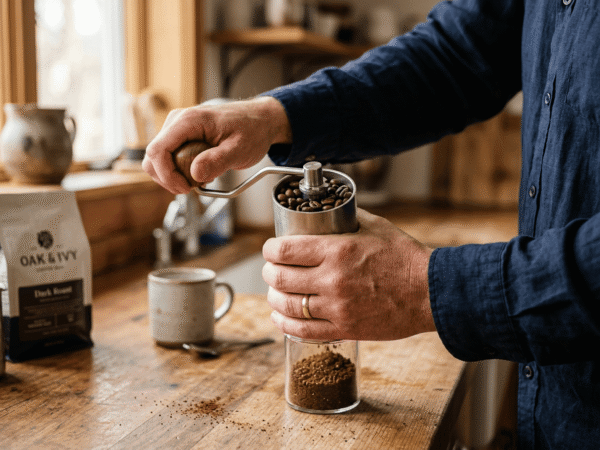
Drip coffee makers work best with a medium grind — roughly the texture of regular sand. Too fine, and your coffee turns bitter and over-extracted. Too coarse, and it comes out weak and watery. If you’re still buying pre-ground coffee, that’s usually ground for drip and works fine. But grinding your own beans fresh before brewing makes a real difference you can taste immediately. Our guide on the best coffee grinder for drip coffee can point you in the right direction.
Get Your Coffee-to-Water Ratio Right
The SCA’s golden ratio is about 1 to 2 tablespoons of coffee per 6 ounces of water. Most people eyeball it, which leads to inconsistent results. Try using a kitchen scale: 15 grams of coffee per 250 ml (about 8.5 oz) of water is a reliable starting point. Adjust from there based on your taste.
Don’t Ignore Water Quality
Your coffee is roughly 98% water. If your tap water tastes off — too much chlorine, minerals, or sulfur — your coffee will carry those flavors. Filtered water makes a surprisingly big difference. Many Cuisinart and Ninja models include a built-in charcoal water filter, but you can also just use a Brita pitcher.
Clean Your Machine Regularly
Coffee oils build up inside the machine and the carafe over time. Those old oils turn rancid and create that stale, slightly bitter taste that no amount of fresh beans can fix. Run a white vinegar and water cycle (50/50 mix) through your machine once a month, followed by two cycles of plain water to rinse. Most machines with a self-clean feature automate this, but manual cleaning works just as well.
Store Your Beans Properly
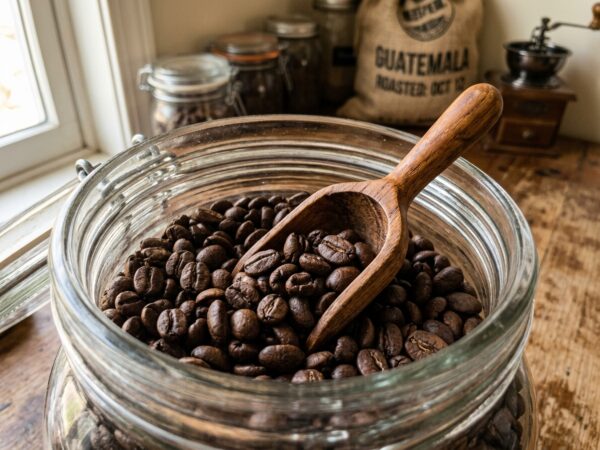
Even the best drip coffee maker can’t save stale beans. Keep your coffee in an airtight, opaque container at room temperature. Not in the fridge. Not in the freezer (despite what your grandma told you). Cold environments create condensation that degrades the beans faster. For a deeper look at keeping your beans fresh, we’ve covered coffee bean storage in detail.
Drip Coffee Makers vs. Other Brewing Methods
You might be wondering if a drip coffee maker is even the right choice for you. Maybe you’ve heard about pour-overs, French presses, or Moka pots and aren’t sure how they stack up. Here’s a quick, honest comparison.
A drip coffee maker wins on convenience and consistency. You load it up, press a button, and walk away. That’s it. Pour-over methods like the Chemex or V60 produce a cleaner, more nuanced cup, but they require your full attention for 4 to 5 minutes every single morning. If you’re curious about that tradeoff, our pour-over drip coffee maker guide breaks it down.
A French press gives you a richer, fuller-bodied coffee because it doesn’t filter out the oils. But cleanup is messier, and it’s easier to over-extract if you forget about it. The French press vs. drip comparison covers every angle if you’re torn.
For most people who just want great-tasting coffee with minimal daily effort, a drip maker is still the most practical choice. There’s a reason it’s been the standard American brewing method for over 50 years.
How Long Should a Drip Coffee Maker Last?
This comes up a lot, and the honest answer is: 3 to 5 years with average use, sometimes longer with good maintenance. Premium models like the Cuisinart DCC-3200P1 or the OXO tend to run longer because they use better heating elements and more durable internal components.
Budget models like the Mr. Coffee or BLACK+DECKER typically last 2 to 3 years of daily use. That’s not a knock against them — at $30 to $35, even two years of daily service means you paid less than five cents per day for your machine. That’s excellent value.
The biggest killer of drip coffee makers is mineral buildup (limescite scale) inside the water lines and heating element. Regular descaling — monthly in hard water areas, every two to three months otherwise — can add years to your machine’s life.
FAQ
What’s the best drip coffee maker under $100 for the strongest coffee?
The Ninja CE251 is your best bet for bold, strong coffee in this price range. Its Rich brew setting extends the brewing time, giving the water more contact with the grounds for a deeper, more intense extraction. If you want even stronger coffee, use slightly more grounds (about 2 tablespoons per 6 ounces) and stick with a dark roast. You could also consider pairing your drip maker with a built-in grinder model for the freshest, boldest results.
Is an SCA-certified coffee maker really worth it?
If you genuinely care about coffee taste and can tell the difference between a well-extracted cup and a flat one — yes, it’s worth it. SCA certification means the machine hits the right brew temperature (197°F–205°F) consistently, which is the single biggest factor in extraction quality. The OXO Brew 8-Cup is one of the few certified machines under $100, and the difference in cup quality compared to non-certified machines is noticeable.
Should I get a glass carafe or a thermal carafe?
It depends on how you drink your coffee. If you pour your entire pot within 15 to 20 minutes of brewing, a glass carafe with a hot plate works perfectly fine and is easier to clean. If you brew a full pot and sip it over an hour or two, a thermal carafe keeps your coffee tasting fresh without the burnt flavor that hot plates create. Thermal carafes cost a bit more and are slightly harder to clean, but the taste difference over time is real.
Can a cheap drip coffee maker make good coffee?
Absolutely. A $35 BLACK+DECKER or Mr. Coffee won’t match an SCA-certified brewer in terms of temperature precision, but if you use freshly ground, quality beans, filtered water, and the right coffee-to-water ratio, you’ll still get a genuinely enjoyable cup. The beans and the grind matter more than the machine in most cases. Spending $15 on better beans will improve your coffee more than spending $50 more on a fancier machine.
How much coffee does a “12-cup” drip coffee maker actually make?
A “12-cup” coffee maker typically produces about 60 ounces of coffee. Since a standard measuring “cup” in coffee terms is 5 ounces (not 8 ounces like a regular measuring cup), those 12 “cups” actually fill about four to five normal-sized mugs. It’s a confusing industry standard, but now you know.
Your Next Move
Finding the right drip coffee maker under $100 doesn’t have to be complicated. If you want the best overall brew quality, go with the OXO Brew 8-Cup — that SCA certification genuinely sets it apart. If convenience and capacity are your priorities, the Cuisinart DCC-3200P1 handles a busy household beautifully. And if you’re on a tight budget and just want something that works reliably every morning, the BLACK+DECKER CM1160B or Mr. Coffee will serve you well for years.
Whatever you pick, remember that the machine is just one part of the equation. Fresh beans, the right grind, clean water, and regular maintenance — these small habits turn even an affordable drip maker into something that delivers a genuinely great cup every single day. Your morning coffee ritual deserves that kind of attention, and you don’t need to spend a fortune to make it happen.