The average American spends roughly $1,100 a year on coffee shop visits. That’s a car payment. A weekend trip. A whole lot of money dripping away, one latte at a time.
Here’s the good news: you don’t need a $300 machine to brew coffee that genuinely makes you happy every morning. Some of the best coffee makers under $100 can produce a cup that rivals what you’d get at your favorite café — and they’ll pay for themselves within weeks.
But the tricky part? There are hundreds of options under that price point. Drip machines, French presses, pour-overs, cold brew setups, single-serve pods — the choices can feel paralyzing. And not every budget coffee maker is worth your money. Some are cheap in the worst way: flimsy builds, lukewarm brewing temperatures, and coffee that tastes like it gave up halfway through the process.
That’s exactly why this guide exists. After researching dozens of models, reading thousands of user reviews, and comparing real-world performance, I’ve put together a breakdown of the best coffee makers under $100 you can actually trust. We’ll look at what matters when you’re shopping at this price, which machines perform best for different brewing styles, and how to get the most out of whatever you buy.
Let’s get into it.
What Actually Matters in a Coffee Maker Under $100
Before you click “Add to Cart” on the first machine that looks nice, let’s talk about what separates a good budget coffee maker from a bad one. Because at this price range, brands cut corners — the question is where they cut them.
Brewing Temperature
This is the single biggest factor most people overlook. The Specialty Coffee Association recommends brewing between 195°F and 205°F. Cheaper machines often heat water to only 180°F or so, and the result is under-extracted, flat-tasting coffee. If you’ve ever brewed at home and thought, “Why doesn’t this taste like the coffee shop?”, temperature is likely the culprit.
Look for machines that specifically mention their brewing temperature range. Brands like Bonavita and OXO tend to hit this sweet spot even in their more affordable models.
Build Quality vs. Features
Here’s a trade-off you’ll run into constantly at this price: do you want more features or better build quality? A $70 machine with a programmable timer, built-in grinder, and thermal carafe probably cuts corners on materials. A $70 machine with just a glass carafe and a simple on/off switch might actually be built to last.
My honest advice? Prioritize what touches the coffee — the brew basket, the showerhead that distributes water, and the carafe. Fancy LCD screens and twelve programmable settings don’t make your coffee taste better.
Carafe Type
Glass carafes are cheaper and let you see how much coffee you have left. But they need a hot plate to stay warm, and that hot plate slowly cooks your coffee over time. After about 20 minutes on a burner, your fresh brew starts tasting bitter and stale.
Thermal (insulated) carafes keep coffee hot for hours without a hot plate, and they don’t degrade the flavor. They cost a bit more. If you drink your coffee quickly, glass is fine. If you like to sip over an hour or two, go thermal.
Capacity
Think about how you actually drink coffee. A 12-cup machine sounds impressive, but if you’re a single person brewing a full pot, half of it goes to waste. On the flip side, a 5-cup machine won’t cut it if you’re making coffee for a household of four.
Quick rule of thumb: A “cup” on most coffee makers is about 5 ounces — not the 8-ounce cup you’re imagining. So a “12-cup” machine really makes about 60 ounces, which is roughly seven and a half standard mugs.
Best Drip Coffee Makers Under $100
Drip coffee makers remain the most popular brewing method in American households, and for good reason. They’re simple, consistent, and can brew enough coffee for the whole family without much effort. If you want a solid daily driver that you don’t have to babysit, a drip machine is your safest bet.
Bonavita BV1500TS — Best Overall Under $100
Bonavita has a reputation for punching well above its price class, and the BV1500TS is a perfect example. It’s one of the few sub-$100 machines that’s been SCA-certified, meaning it meets the Specialty Coffee Association’s performance standards for water temperature and brewing time.
You get a stainless steel thermal carafe, a one-touch operation (literally one button), and a showerhead design that distributes water evenly across the coffee grounds. There’s no programmable timer, no clock, no bells and whistles. Just excellent coffee, every time.
It brews an 8-cup pot in about 6 minutes, and the thermal carafe keeps it hot for a good two hours. The downside? That lack of features means you can’t set it to brew before your alarm goes off. But if you can live with pressing one button after you wake up, this machine is hard to beat at any price.
Pro Tip: Pair this with a decent burr grinder and freshly ground beans, and you’ll genuinely wonder why you ever spent $5 on drip coffee at a café. If you need grinder recommendations, check out our guide on the best coffee grinders for drip coffee.
Hamilton Beach 46310 — Best Programmable Option
If you’re the kind of person who needs coffee ready and waiting when you stumble into the kitchen at 6 AM, the Hamilton Beach 46310 is your friend. It’s got a 24-hour programmable timer, auto shut-off, and a brew strength selector so you can toggle between regular and bold.
The price usually hovers around $35 to $45, which makes it one of the best values on this list. Build quality is decent for the price — not premium, but solid enough to last a couple of years with regular use. The glass carafe is a minor downside (remember that hot plate problem), but Hamilton Beach’s hot plate is actually more forgiving than most, keeping things warm without aggressively burning the coffee.
The 12-cup capacity makes it ideal for families or anyone who hosts regularly. It won’t win any design awards, but it does exactly what you need without fuss.
Cuisinart DCC-1500 — Best 12-Cup Machine
Cuisinart has been making drip machines for decades, and the DCC-1500 sits in that sweet spot between affordability and refinement. It features a brew-pause function (pour yourself a cup mid-brew without making a mess), a 12-cup glass carafe, and fully programmable settings with an easy-to-read display.
What sets it apart from similarly priced competitors is consistency. Cuisinart’s water distribution system is well-designed, and the brewing temperature stays reliably within that ideal 195–205°F range. The charcoal water filter is a nice touch too — it removes chlorine and off-flavors from tap water, which actually makes a noticeable difference if your tap water isn’t great.
Priced around $60 to $75, it gives you features and performance that feel like they belong on a pricier machine. If you’re shopping for the best drip coffee makers under $100 specifically, this one consistently ranks near the top.
Best Single-Serve Coffee Makers Under $100
Not everyone needs a full pot. Maybe you live alone. Maybe you’re the only coffee drinker in your household. Maybe you just want one perfect cup without any waste. Single-serve machines make a lot of sense for these situations — and they’ve gotten significantly better in recent years.
Keurig K-Elite — Best K-Cup Machine
Love it or hate it, Keurig dominates the single-serve market. The K-Elite is one of their best models under $100, and it addresses many of the complaints people have about pod machines. The strong brew button actually makes a noticeable difference, pulling more flavor from the pod. You also get five cup sizes (4, 6, 8, 10, or 12 oz), iced coffee settings, and a large 75-ounce removable reservoir.
The elephant in the room with any K-Cup machine is environmental impact. Those little pods generate a lot of plastic waste. If that bothers you (and it should at least be on your radar), invest in a reusable K-Cup filter. They cost about $10, and you can fill them with any ground coffee you like — better for the planet and your wallet.
Flavor-wise, let’s be real: K-Cup coffee won’t match what you’d get from a good drip machine or a manual brew method. But for speed and convenience, nothing beats it. You go from groggy to caffeinated in under a minute.
AeroPress Original — Best Manual Single-Serve
If you care about flavor above all else and don’t mind a minute of hands-on effort, the AeroPress is genuinely one of the best coffee makers at any price, let alone under $100. At around $35 to $40, it’s almost comically affordable for what it delivers.
The AeroPress uses a combination of immersion and pressure to brew a single cup in about 90 seconds. The result is smooth, rich, and remarkably low in bitterness and acidity. It’s also virtually indestructible — made from BPA-free plastic that can survive being thrown in a backpack or a suitcase.
Over 60,000 people compete in the World AeroPress Championship every year. That should tell you something about how seriously the coffee community takes this little device.
For anyone curious about how the AeroPress stacks up against other manual methods, we’ve done a detailed comparison of the AeroPress vs. French press that’s worth reading.
Best French Press Coffee Makers Under $100
The French press is one of the oldest and simplest ways to brew coffee, and it produces a full-bodied, oil-rich cup that you simply can’t replicate with a paper-filter method. There’s no electricity involved, no complicated parts, and nothing that can really break except the glass. For many coffee lovers, a French press isn’t just a budget option — it’s their preferred method.
Bodum Chambord — The Classic Choice
The Bodum Chambord has been around since 1944, and its design has barely changed because it didn’t need to. The stainless steel frame protects the borosilicate glass beaker, and the three-part mesh filter does an excellent job of separating grounds from coffee.
Available in 3-cup, 4-cup, 8-cup, and 12-cup sizes, it covers everything from a personal morning cup to entertaining guests. Most sizes fall well under $40.
The only real consideration with any French press is grind size. You need a coarse, even grind — too fine, and you’ll get muddy, over-extracted coffee with sludge at the bottom. Our guide on French press grind size breaks down exactly what you’re aiming for.
Espro P7 — Premium French Press Experience
If you want the French press experience without the sediment and fines that bother some people, the Espro P7 is worth the investment. It features a double micro-filter that catches almost all of the fine particles a standard French press lets through. The result is a cleaner cup that still retains the body and oils that make French press coffee special.
The vacuum-insulated stainless steel walls keep your coffee hot for much longer than a glass press, and the whole thing feels genuinely premium in hand. Depending on the size, you’ll pay $60 to $95 — right at the top of our budget, but the quality justifies every dollar.
Did You Know? French press coffee contains higher levels of cafestol and kahweol — oils that give it that distinctive richness. Paper filters in drip machines trap most of these oils, which is why drip coffee and French press coffee taste so fundamentally different from each other. If you’re debating between the two methods, our French press vs. drip comparison covers the flavor differences in detail.
Best Pour-Over Coffee Makers Under $100
Pour-over brewing gives you the most control over your cup of any method on this list. You decide the water temperature, the pour speed, the bloom time, and the total brew duration. The trade-off is that it requires more attention and a bit of practice. But once you dial in your technique, pour-over coffee is clean, bright, and incredibly nuanced — you can taste individual flavor notes that get lost in other brewing methods.
Hario V60 — The Enthusiast’s Go-To
The Hario V60 is the most popular pour-over dripper in the world, used by home brewers and professional baristas alike. The ceramic version costs about $20 to $30, which leaves you plenty of budget for a good gooseneck kettle and filters.
Its signature spiral ridges and single large hole at the bottom allow you to control the flow rate entirely through your pour technique. Faster pour, lighter body. Slower pour, richer extraction. It rewards experimentation and patience.
The learning curve is real, though. Your first few cups might be uneven or weak as you figure out the pour pattern. But stick with it — the V60 is one of those tools that grows with you as your palate develops.
Chemex Classic — Beauty Meets Function
The Chemex is both a coffee maker and a design icon. It’s been part of the permanent collection at the Museum of Modern Art since 1944. But beyond looking gorgeous on your counter, it makes legitimately great coffee.
The thick Chemex bonded paper filters remove more oils and sediment than any other pour-over method, producing an exceptionally clean, bright cup. If you love tasting the distinct characteristics of single-origin beans — fruity Ethiopian or chocolatey Colombian, for example — the Chemex showcases them beautifully.
A 6-cup Chemex runs around $45 to $50, and the filters cost roughly $10 for a pack of 100. Not bad at all. If you’re torn between the Chemex and a French press, we’ve got a head-to-head breakdown of Chemex vs. French press that might help you decide.
Best Cold Brew Coffee Makers Under $100
Cold brew has gone from a niche café trend to a full-on staple. And making it at home is absurdly easy — you don’t need any special skills, any electricity, or any fancy equipment. You just need ground coffee, cold water, time, and something to filter it through.
Toddy Cold Brew System
The Toddy has been the standard in home cold brew since the 1960s. You steep coarsely ground coffee in cold water for 12 to 24 hours, drain it through a felt filter, and you’ve got a concentrate that lasts up to two weeks in the fridge. Dilute it with water or milk, pour it over ice, and you’re done.
The concentrate is about 67% less acidic than hot-brewed coffee, which is great news if you have a sensitive stomach. And the flavor? Smooth, sweet, and chocolatey — almost no bitterness at all.
At around $35 to $40, the Toddy is a one-time purchase that’ll save you serious money if you’re currently buying $5 cold brews at the coffee shop. For more options, we’ve reviewed the best cold brew coffee makers across different price ranges and styles.
If you want to get creative with cold brew, try using it as a base for a pumpkin cream cold brew — it’s easier than you’d think, and it tastes better than Starbucks’ version. I’ll stand by that.
How to Get the Best Coffee From a Budget Machine
Buying a good coffee maker is only half the equation. How you use it matters just as much. Here are the things that actually make a difference, especially when you’re working with a sub-$100 machine.
Start With Fresh, Quality Beans
This is the single most impactful upgrade you can make, and it costs nothing extra if you’re already buying coffee. The difference between beans roasted two weeks ago and beans roasted six months ago is enormous. Look for bags with a roast date printed on them (not just a “best by” date). If a bag doesn’t have a roast date, treat that as a yellow flag.
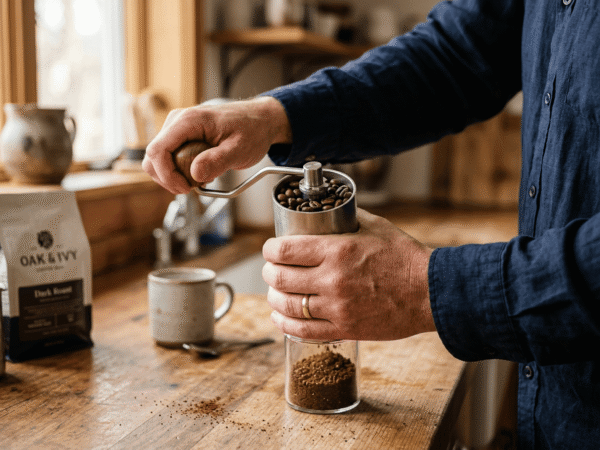
Whole beans stay fresh much longer than pre-ground coffee. Once you grind beans, they start losing flavor within 15 to 20 minutes. If you’re serious about taste, even a basic hand grinder will make a noticeable difference. We’ve reviewed the best hand coffee grinders if you want to explore that route.
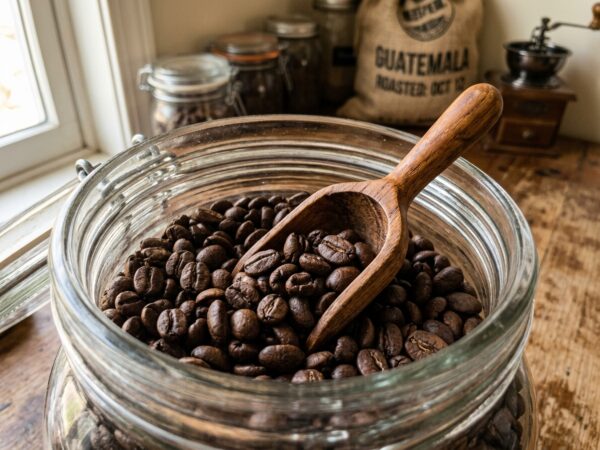
And once you’ve got good beans, don’t let them go stale in a paper bag on the counter. Proper coffee bean storage — airtight, away from light and heat — extends freshness significantly.
Use the Right Coffee-to-Water Ratio
The golden ratio that most coffee professionals recommend is 1:16 — one gram of coffee for every 16 grams of water. In simpler terms, that’s roughly 2 tablespoons of coffee per 6 ounces of water.
Too much coffee and you get an over-extracted, bitter mess. Too little and your cup tastes thin and watery. Start with 1:16 and adjust from there based on your preference.
Don’t Ignore Your Water
Coffee is about 98% water. If your tap water tastes off — too chlorinated, too mineral-heavy, too flat — your coffee will taste off too. You don’t need to buy fancy bottled water, but running your tap through a basic Brita filter makes a real difference. Some drip machines, like the Cuisinart we mentioned earlier, come with built-in charcoal filters for exactly this reason.
Clean Your Machine Regularly
Coffee oils build up inside your machine over time. Those oils go rancid and start affecting the flavor of every cup you brew. A simple cleaning routine — running a vinegar-and-water cycle once a month, washing the carafe and filter basket after every use — keeps your coffee tasting the way it should.
⚠️ Warning: Don’t use bleach or harsh chemical cleaners inside your coffee maker. Vinegar and water (50/50 mix) works perfectly. Rinse with clean water at least twice after the vinegar cycle so your next cup doesn’t taste like a salad dressing.
Drip vs. French Press vs. Pour-Over: Which Is Right for You?
This is the question that trips up a lot of people, especially first-time buyers. All three methods brew great coffee, but they produce very different cups.
Drip machines are the “set it and forget it” option. Grind your coffee, add water, press a button, and walk away. The paper filter gives you a clean, light-bodied cup. Best for people who want convenience above all else.
French press brewing produces a heavy, full-bodied cup with more oils and texture. There’s no paper filter, so you get more of the coffee’s natural flavor compounds — including the ones that give it body and richness. Best for people who like bold, intense coffee and don’t mind a small amount of sediment.
Pour-over gives you the most control and produces the cleanest, most nuanced cup. You can taste subtle flavor notes — citrus, floral, chocolate — that other methods tend to mute. Best for people who enjoy the process of brewing as much as the drinking.
If you’re still on the fence, our comparison of French press vs. pour-over goes deep on the flavor differences, ease of use, and which one fits different lifestyles better.
What to Avoid When Buying a Cheap Coffee Maker
Budget shopping is great, but there are a few red flags to watch out for. Not all affordable coffee makers are bargains — some are just cheap.
Plastic brew baskets that sit directly in the hot water stream. Over time, certain plastics can leach chemicals at high temperatures and impart off-flavors to your coffee. Look for machines with stainless steel or BPA-free components in the brew path.
Machines with no temperature specification. If the manufacturer won’t tell you the brewing temperature, it’s usually because it’s too low. Under-heated water means under-extracted coffee, and no amount of good beans will fix that.
Off-brand machines with no available replacement parts. Carafes break. Filters wear out. If you buy an obscure brand and the carafe cracks six months later, you might not be able to find a replacement. Stick with brands that have been around long enough to maintain parts availability — Hamilton Beach, Cuisinart, Bonavita, Bodum, Melitta, and Mr. Coffee all have solid track records here.
“Too good to be true” feature lists. A $30 machine that promises a built-in grinder, thermal carafe, 12-cup capacity, programmable timer, AND espresso-style brewing? Something has to give. Usually, it’s everything. Prioritize doing one thing well over doing five things poorly.
Frequently Asked Questions
Can a coffee maker under $100 really make great coffee?
Absolutely. Price affects features and build quality more than it affects flavor. A $40 Bodum French press or a $35 AeroPress can produce coffee that beats machines costing five times as much. The key factors in great coffee are water temperature, grind quality, fresh beans, and proper ratio — and none of those are determined by how much you spend on the machine itself. SCA-certified drip machines like the Bonavita BV1500TS prove that excellent brewing performance exists under $100.
How long do budget coffee makers typically last?
With regular cleaning and basic care, most quality budget coffee makers last 2 to 5 years. Manual brewers like the French press, AeroPress, and pour-over drippers can last much longer — sometimes a decade or more — because they have no electronic components to fail. Drip machines typically wear out faster due to heating element degradation, mineral buildup, and pump wear. Descaling your machine every 1 to 3 months significantly extends its lifespan.
Is a coffee maker with a built-in grinder worth it under $100?
At this price point, it’s generally better to buy a separate grinder and a separate brewer. Combo machines under $100 tend to compromise on grind quality — the built-in grinders are usually blade grinders that produce inconsistent particle sizes, which leads to uneven extraction. You’ll get significantly better results with a standalone burr grinder (even a hand grinder) paired with a dedicated drip machine. If you’re curious, our guide to the best drip coffee makers with grinders covers which combo machines are actually worth considering.
What’s the best type of coffee maker for a college student?
An AeroPress or a small French press is ideal for college life. They’re cheap, nearly indestructible, easy to clean, compact enough for a dorm room, and they don’t require electricity. The AeroPress especially travels well — it weighs almost nothing and fits in a backpack. If you want something even simpler, a basic pour-over dripper with paper filters works great and costs under $15.
How often should I replace my coffee maker?
There’s no fixed schedule. Replace it when you notice a decline in performance — the coffee isn’t as hot as it used to be, the brew cycle takes longer than normal, or the machine starts leaking. For drip machines, these signs typically show up after 3 to 5 years of daily use. Manual brewers don’t really wear out unless you break the glass or damage the filter.
Your Next Move
Here’s the reality: you don’t need to spend a lot of money to drink great coffee at home. A $35 AeroPress, a $45 French press, or a $70 SCA-certified drip machine — any of these can outperform the overpriced, lukewarm cup you’d grab at a drive-through on the way to work.
The best coffee maker under $100 isn’t the one with the most features or the flashiest marketing. It’s the one that matches how you actually drink coffee. Think about your morning routine, your household size, whether you value convenience or hands-on control, and how much counter space you’ve got. Then pick the machine that fits.
Start simple. Start with fresh beans and clean water. Nail the basics before you chase upgrades. You’ll be surprised how much better your mornings feel when that first sip of the day actually tastes the way coffee is supposed to taste.