A single batch of cold brew from your local café can cost you $5 to $7. Make one at home, and you’ll spend roughly 50 cents. Over a year, that gap adds up to hundreds — sometimes over a thousand — dollars saved, all for coffee that tastes just as good (often better, honestly). The catch? You need the right cold brew coffee maker, and there are dozens of options out there fighting for your attention.
Some are dead simple — just a pitcher with a filter. Others get fancy with pressurized brewing or built-in taps. Not every option suits every person, and that’s where most online guides fall short. They throw twenty products at you and expect you to figure it out.
This guide takes a different approach. You’ll learn what actually matters in a best cold brew coffee maker, which types work for which lifestyles, and how to get the smoothest, richest cold brew without overpaying or overcomplicating things.
What Makes Cold Brew Different from Iced Coffee?
Before you shop for a cold brew maker, it helps to understand what you’re actually making — because cold brew isn’t just iced coffee with a fancier name.
Iced coffee is brewed hot and then cooled down. Cold brew never touches hot water. Instead, coarsely ground coffee steeps in cold or room-temperature water for 12 to 24 hours. That slow extraction pulls out the smooth, sweet, chocolatey flavors while leaving behind much of the bitterness and acidity that hot water brings out.
The result? A concentrate that’s naturally smoother, about 67% less acidic according to research published in Scientific Reports (2018), and incredibly versatile. You can dilute it with water, pour it over ice, mix it with milk, or even use it as a base for creative drinks like a pumpkin cream cold brew.
That low-acid, mellow profile is exactly why cold brew has exploded in popularity. The National Coffee Association’s 2024 trend report showed cold brew consumption among U.S. adults has more than doubled since 2015. People aren’t just drinking it in summer anymore — it’s a year-round habit.
And here’s the thing: you don’t need expensive equipment to make it. But the right equipment makes the process cleaner, more consistent, and honestly more enjoyable.
Types of Cold Brew Coffee Makers
Not all cold brew makers work the same way, and the differences matter more than you might expect. Here’s a breakdown of the main categories.
Immersion Brewers
This is the most common and straightforward type. You put ground coffee in a filter or mesh basket, submerge it in cold water inside a pitcher or jar, wait 12 to 24 hours, then remove the grounds. Done.
Think of it like making tea with a giant tea bag. The Toddy Cold Brew System, one of the oldest names in the game (around since 1964), uses this principle. So do popular options like the Hario Mizudashi and the KitchenAid Cold Brew Maker.
Immersion brewers are forgiving. Even if your grind size isn’t perfect or your timing is off by a couple of hours, you’ll still get a decent cup. They’re ideal if you’re new to cold brew or just want something that works without fuss.
Slow Drip (Kyoto-Style) Brewers
These are the showpieces. A slow drip brewer lets ice-cold water drip, one drop at a time, through a bed of coffee grounds. The whole process takes 3 to 12 hours depending on the drip rate, and it produces a cleaner, more nuanced cup than immersion brewing.
Kyoto-style towers — named after the Japanese city where this method gained popularity — look like something out of a chemistry lab. Brands like Yama and Nispira make beautiful glass tower models. They’re not cheap (expect $80 to $300+), and they take up counter space, but if you appreciate the ritual and want a lighter-bodied cold brew with more delicate flavor notes, they’re worth exploring.
Pressurized / Rapid Cold Brew Makers
Patience isn’t everyone’s strong suit. If waiting 12+ hours sounds miserable, pressurized cold brew makers cut that time dramatically. The Dash Rapid Cold Brew System and the Cuisinart Automatic Cold Brew Coffeemaker can produce cold brew in as little as 15 to 45 minutes by forcing water through the grounds under pressure or using agitation.
Fair warning, though: the flavor profile from a rapid brewer often isn’t quite as smooth as a traditional long-steep method. You’ll get something close, and for many people it’s close enough. But if you’re a flavor purist, you might notice the difference.
French Press (The Budget Hack)
Here’s something most articles gloss over: you probably already own a cold brew maker. A French press works perfectly for cold brew. Add coarse grounds, pour in cold water, let it sit in the fridge for 12 to 18 hours, then press and pour. That’s it.
If you’re curious about how French press brewing compares to other methods for regular hot coffee, there’s a great comparison between French press and drip coffee that goes into more detail. But for cold brew specifically, a French press is a totally legitimate (and free, if you already have one) starting point.
The downside? French press mesh filters don’t catch the finest sediment, so your cold brew might be slightly gritty. A secondary strain through a paper filter or cheesecloth fixes that.
What to Look for in a Cold Brew Coffee Maker
Shopping for a cold brew maker feels simple until you realize how many choices exist. These are the things that actually matter — not marketing buzzwords, but real-world factors that affect your daily experience.
Capacity
How much cold brew do you drink? That question should drive everything.
If you’re the only cold brew drinker in your house and you have a cup or two per day, a 1-liter (roughly 32-ounce) maker is plenty. Remember, most cold brew makers produce a concentrate that you’ll dilute 1:1 or even 1:2 with water or milk, so a liter of concentrate actually gives you 2 to 3 liters of finished cold brew.
For households with multiple coffee drinkers, look at 1.5-liter to 2-liter models. The Takeya Patented Deluxe Cold Brew Maker holds about a quart of concentrate and is one of the best-selling options in this range for good reason — it’s compact enough for most fridge doors.
Bigger isn’t always better, though. Cold brew concentrate stays fresh in the fridge for about 7 to 10 days (some people push it to two weeks, but the flavor starts to fade). If you make too much, you’ll end up dumping stale coffee.
Filter Quality
This is the single most underrated factor, and it’s where cheap cold brew makers reveal themselves.
A good filter catches fine coffee particles while still letting the flavorful oils through. Stainless steel mesh filters are the standard — they’re reusable and durable. Look for a fine mesh (around 150 microns) that produces a clean cup without papery taste.
Some systems, like the Toddy, use felt or reusable paper filters. These give you an even cleaner brew, closer to what you’d get from a paper filter pour-over, but they need regular replacing.
If you want to understand more about how grind size and filtration interact, it’s the same principle behind choosing the right French press grind size — too fine and you get sludge, too coarse and the flavor falls flat.
Material and Durability
Glass pitchers look great and won’t absorb odors. But they break. If you’ve got kids or butter fingers, a BPA-free Tritan plastic or stainless steel option might save you from a future mess.
Borosilicate glass (the same stuff used in lab equipment and Pyrex) is tougher than regular glass and handles temperature changes better. Most mid-range and higher-end cold brew makers use it.
Stainless steel models, like those from County Line Kitchen or Cafe Du Chateau, are nearly indestructible and often come with built-in pourers. They won’t let you see the brewing process, but some people consider that a fair trade-off.
Ease of Cleaning
You’ll be cleaning this thing every few days, maybe more. If the filter is hard to remove, has tiny crevices where grounds get stuck, or doesn’t fit in your dishwasher, you’ll eventually stop using it. That’s not a guess — it’s human nature.
The best cold brew makers have wide-mouth openings, removable filters that slide out cleanly, and are either dishwasher-safe or easy to rinse by hand. The Hario Mizudashi, for instance, has a slender design that some people find tricky to clean by hand if they have larger hands. Small detail, big annoyance over time.
Fridge Fit
This one sounds obvious, but check your fridge before you buy. Some cold brew makers are tall and won’t fit on a standard shelf. Others are wide and won’t slide into a door compartment. The Takeya’s slim, cylindrical design was specifically engineered for fridge-door storage, which is a big part of why it’s so popular.
Pro Tip: Measure the height of your tallest fridge shelf before ordering. Many 1.5-liter models stand around 10 to 12 inches tall, which won’t fit under the average fridge shelf without adjustment.
Top Cold Brew Coffee Makers Worth Your Money
Rather than dumping a list of twenty products on you, here are the picks that genuinely stand out in different categories — each for a clear reason.
Best Overall: Toddy Cold Brew System
The Toddy has been around for over 60 years, and it’s still a go-to for coffee shops and home brewers alike. It uses a felt filter that produces an exceptionally clean, smooth concentrate. The setup is simple: grounds go in the brewing container, water goes on top, you wait 12 to 24 hours, and then pull the stopper to drain the concentrate into the glass carafe below.
What makes it stand out: The felt filter eliminates nearly all sediment and micro-fines, giving you a concentrate that’s noticeably smoother than what most mesh-filter systems produce. The 64-ounce capacity is generous without being excessive.
The trade-off: The felt filters need replacing every 10 to 12 uses (they cost a couple of dollars each), and the system isn’t the prettiest thing on your counter. It’s functional, not fashionable.
Best Budget Pick: Takeya Patented Deluxe Cold Brew Maker
At around $20 to $25, the Takeya is one of the most affordable dedicated cold brew makers, and it performs well above its price point. The fine-mesh filter does a respectable job, the airtight lid keeps everything fresh, and the slim design fits in almost any fridge door.
What makes it stand out: Value. It’s hard to beat the combination of price, quality, and convenience. The 1-quart and 2-quart sizes cover most households.
The trade-off: The mesh filter allows slightly more sediment through compared to felt or paper systems. Not a dealbreaker for most people, but worth noting if you like your cold brew crystal clear.
Best for Large Batches: County Line Kitchen Cold Brew Mason Jar
If you drink a lot of cold brew or share with family, the County Line Kitchen system fits a half-gallon or full-gallon Mason jar and makes serious quantities. The stainless steel filter is sturdy and easy to clean, and using a standard Mason jar means you can easily find replacements.
What makes it stand out: It scales up easily. You can also use the Mason jars for other kitchen tasks when you’re not brewing. It feels less like a unitasker and more like a smart addition to your kitchen.
The trade-off: A full-gallon jar is bulky. You’ll need dedicated fridge space.
Best Slow Drip: Yama Glass 6-8 Cup Cold Drip Maker
For the aesthetes and flavor chasers, the Yama Glass tower is a thing of beauty. Watching water drip slowly through the grounds is genuinely mesmerizing, and the resulting brew has a clarity and brightness that immersion methods can’t quite replicate.
What makes it stand out: Flavor complexity. If you’ve been buying high-end single-origin beans and want to taste every subtle note, slow drip is the way to do it.
The trade-off: Price (usually $80 to $150), fragility (it’s all glass), and counter space. This isn’t for someone who just wants a quick caffeine fix.
Best Rapid Brewer: Cuisinart Automatic Cold Brew Coffeemaker
The Cuisinart DCB-10 uses a spin technology to extract flavor faster — about 25 to 45 minutes for a full batch. For people who forgot to start their cold brew last night (we’ve all been there), it’s a lifesaver.
What makes it stand out: Speed and convenience. It also makes regular strength cold brew or concentrate, giving you options.
The trade-off: The flavor isn’t identical to a long-steep cold brew. It’s good, but side by side, a 16-hour steep has more depth. Also, at around $50 to $70, it’s pricier than most manual options.
How to Get the Best Results from Any Cold Brew Maker
Owning a great cold brew maker is only half the equation. Your technique matters just as much. Here are the details that separate “pretty good” cold brew from “why would I ever buy this from a café again” cold brew.
Start with the Right Coffee
Cold brew is forgiving, but it rewards good beans. Medium to dark roasts tend to produce the classic smooth, chocolatey cold brew most people love. Light roasts can work too, but they’ll give you a fruitier, more tea-like result — interesting, but not what most people expect from cold brew.
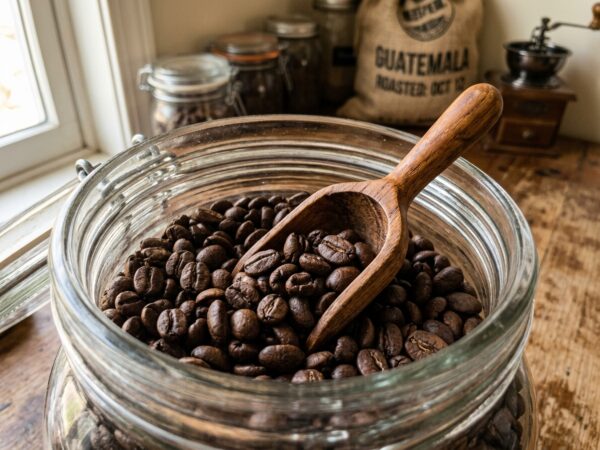
Freshness matters. Coffee beans start losing flavor within a few weeks of roasting, so try to buy beans roasted within the last month. Proper coffee bean storage makes a real difference — keep them in an airtight container, away from light and heat. If you want guidance on choosing beans, check out this helpful rundown on the best coffee beans to find something that matches your taste.
Nail Your Grind Size
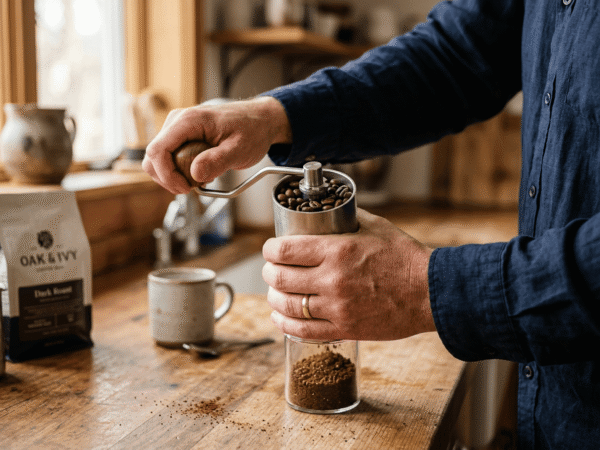
Coarse is the name of the game for cold brew. Think breadcrumb-sized, roughly the same grind you’d use for a French press. If you go too fine, two things happen: the filter clogs, and the brew becomes over-extracted, bitter, and murky.
If you don’t own a grinder, most grocery stores have grinders with a “coarse” or “French press” setting that works perfectly. Buying pre-ground coffee labeled “coarse” also does the job, though grinding fresh will always taste better.
The Golden Ratio
A good starting point is 1 cup of coarse grounds to 4 cups of cold water for concentrate. You’ll dilute this later (usually 1:1 with water, milk, or a milk alternative) when you’re ready to drink.
Some people prefer a stronger concentrate at 1:3 and dilute more. Others like a milder 1:5 ratio and drink it straight. There’s no wrong answer here — just personal preference. Start with 1:4 and adjust from there.
Time and Temperature
For most immersion brewers, 16 to 18 hours at room temperature or in the fridge hits the sweet spot. Brewing in the fridge takes a bit longer (aim for 18 to 24 hours) because the colder temperature slows extraction, but it produces a slightly cleaner flavor.
Room-temperature brewing is faster (12 to 16 hours) and gives you a fuller body. It’s also safe — the cold water won’t cause bacterial growth in that time frame if your kitchen isn’t excessively hot.
⚠️ Warning: Steeping beyond 24 hours doesn’t make your cold brew stronger in a good way. It starts pulling out harsh, woody, bitter compounds that no amount of dilution will fix. Set a timer.
Filtering and Storage
Once your brew time is up, remove the grounds promptly. Leaving them in is the most common mistake people make, and it leads to over-extraction.
If you want extra-clean cold brew, run the concentrate through a paper coffee filter or cheesecloth after removing the main filter. This second pass catches micro-fines and produces an almost silky texture.
Store your concentrate in a sealed container in the fridge. It’ll stay fresh for 7 to 10 days, though the peak flavor window is really the first 5 to 7 days.
Did you know? Cold brew concentrate freezes well. Pour it into ice cube trays, freeze, and drop a few cubes into milk or water for an instant cold brew that doesn’t get watered down as the ice melts.
Cold Brew Maker vs. Other Brewing Methods
You might be wondering if you really need a dedicated cold brew maker, or if another brewer you already own could do double duty. Fair question.
A French press, as mentioned earlier, handles cold brew admirably. If you already own one and aren’t sure whether to invest in a dedicated cold brew system, try a batch first using what you have. You can always upgrade later if you get hooked.
Other methods like pour-over, drip coffee makers, or espresso machines aren’t designed for cold brew and shouldn’t be used for it. They rely on hot water and specific contact times that don’t translate.
The real advantage of a dedicated cold brew maker comes down to convenience. Having a system that lives in your fridge, ready to go, with a built-in filter and a pouring spout, removes friction. And in daily habits, reducing friction is everything.
How Much Should You Spend?
Cold brew makers span from around $15 to over $300. Here’s a reality check on what different price ranges actually get you.
Under $25 gets you a solid, no-frills immersion brewer like the Takeya or a basic Mason jar filter kit. For most people, this is all you need. Seriously. Don’t let marketing convince you otherwise.
$25 to $60 gets you higher-quality filters, larger capacities, nicer materials (borosilicate glass, stainless steel), and sometimes built-in tap systems. The Toddy falls in this range and is hard to beat for quality.
$60 to $150 enters premium territory — Kyoto-style drip towers, automated systems like the Cuisinart, or design-forward options from brands like Bruer. You’re paying for aesthetics, speed, or specialized brewing styles.
Over $150 is for enthusiasts or people who want a statement piece. High-end Yama towers and commercial-grade systems live here. The coffee is excellent, but so is the coffee from a $20 Takeya. You’re paying for the experience and the look.
Quick Fact: A 12-ounce bag of quality coffee beans ($12 to $18) makes roughly 4 to 6 batches of cold brew concentrate. Each batch produces about 8 to 12 servings. That puts your cost per serving at roughly $0.25 to $0.50 — a fraction of café prices.
Frequently Asked Questions
How long does cold brew take to make?
Most cold brew coffee makers require 12 to 24 hours of steeping time using the immersion method. If you brew in the fridge, lean toward 18 to 24 hours. Room temperature brewing is faster at 12 to 16 hours. Rapid or pressurized cold brew systems can cut this to 15 to 45 minutes, though the flavor won’t be identical to a slow-steeped batch.
Is cold brew stronger than regular coffee?
It depends on how you drink it. Cold brew concentrate is indeed stronger — it typically contains more caffeine per ounce than regular drip coffee. But most people dilute the concentrate with water or milk before drinking, which brings the caffeine level roughly in line with a standard cup of coffee (around 100 to 200 mg per serving). If you drink concentrate undiluted, yes, you’ll get a significant caffeine kick. If you’re sensitive to caffeine, start with a higher dilution ratio.
Can I use any coffee beans for cold brew?
You can, but some beans work better than others. Medium and dark roasts produce the smooth, low-acid, chocolatey flavor most people associate with cold brew. Single-origin beans with tasting notes of chocolate, nuts, or caramel tend to shine. Light roasts will give you a brighter, more acidic cup — not bad, just different from what most cold brew lovers expect. Always use coarsely ground beans regardless of the roast level.
Do I need a special grinder for cold brew?
No, but a consistent coarse grind does make a difference. A standard burr grinder on a coarse setting works perfectly. If you don’t own a grinder, pre-ground coarse coffee is fine, or you can check out options for a quality hand coffee grinder that gives you more control over grind size without a big investment.
How do I make cold brew less bitter?
Bitterness in cold brew usually means one of three things: the grind was too fine, you steeped too long, or your water-to-coffee ratio was off. Try a coarser grind, reduce your steep time to 14 to 16 hours, or add more water to the ratio. Using filtered water instead of tap water also reduces off-flavors that can read as bitterness.
Your Next Step
Finding the best cold brew coffee maker really comes down to knowing your own habits. If you drink a cup a day and want something low-maintenance, a Takeya or a French press you already own will do the job beautifully. If you brew for a household or want the smoothest possible result, the Toddy earns its reputation. And if you’re chasing flavor complexity and don’t mind spending more, a Kyoto-style dripper opens up a whole different world of cold brew.
Start simple. Make a batch. Tweak the ratio, the steep time, the beans. Cold brew is one of those rare things where the homemade version honestly rivals (and usually beats) what you’d buy at a café. Once you dial in your personal recipe, you won’t look back — and your wallet will thank you every single week.