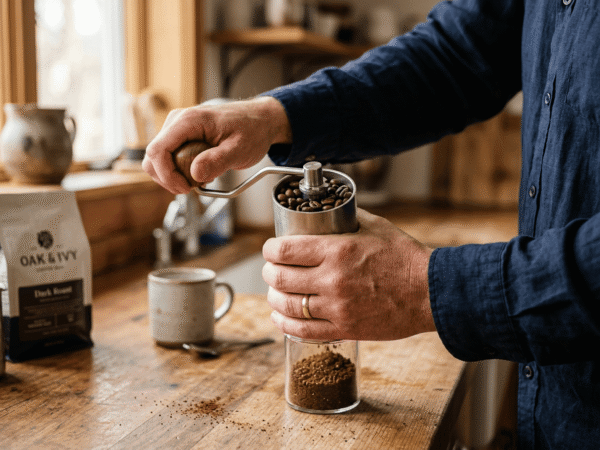
A $30 hand grinder with quality steel burrs can outperform a $150 electric blade grinder. That’s not an exaggeration — it’s something coffee professionals have been saying for years. If you’re shopping for the best hand coffee grinder, you’re already making a smart move. Manual grinders give you more control over grind size, they last longer than most electric options, and they don’t wake up the entire house at 5:30 a.m.
But here’s the thing: there are hundreds of manual grinders out there, and the difference between a great one and a frustrating one often comes down to details most product listings don’t explain well. Burr material, adjustment mechanisms, bearing types, ergonomics — these things matter, and they’re exactly what we’ll break down here so you can spend your money wisely.
Why a Hand Coffee Grinder Is Worth Your Attention
You might be wondering why anyone would choose to grind coffee by hand when electric grinders exist. Fair question. The answer isn’t about being old-fashioned. It’s about what actually affects your cup.
Grind consistency is the single biggest factor in brewing good coffee. A consistent grind means even extraction, which means balanced flavor — no bitter, over-extracted fines mixed with sour, under-extracted boulders. Quality hand grinders achieve this with precision-machined burrs that rival electric grinders costing two or three times as much.
There’s also the practical side. Hand grinders don’t need electricity, so they’re perfect for camping, travel, or just keeping your counter clutter-free. They’re quieter. They’re more durable since there’s no motor to burn out. And if you’re only grinding for one or two cups at a time, the effort is minimal — usually under 60 seconds of cranking.
Pro Tip: If you’re already using a hand coffee grinder and feel like it’s taking forever or producing uneven results, the grinder itself might be the problem, not the concept. A well-built manual grinder feels completely different from a cheap one.
The one real downside? If you regularly brew for a crowd — say, a full 8-cup French press every morning — you’ll feel the workout. For single servings and small batches, though, a hand grinder is genuinely the best value in coffee equipment.
What Makes a Great Hand Coffee Grinder
Not all manual grinders are created equal. The gap between a $20 ceramic burr grinder from a big-box store and a $200 precision-milled steel burr grinder is enormous. Understanding the key components helps you figure out where your money actually goes.
Burr Material: Steel vs. Ceramic
The burrs are the heart of any grinder. They’re the two textured surfaces that crush and cut the beans, and the material they’re made from directly affects grind quality and longevity.
Stainless steel burrs are the standard in quality hand grinders. They’re harder than ceramic, stay sharp longer, and produce more consistent particle sizes. Most grinders in the $40-$250 range use steel burrs, though the quality of the steel and the precision of the machining vary widely.
Ceramic burrs show up in budget grinders. They’re cheaper to manufacture and they don’t rust, but they dull faster and tend to produce more fines (those tiny powder-like particles that clog filters and create bitterness). If you see a hand grinder under $25, it almost certainly has ceramic burrs.
There’s a newer category worth knowing about: titanium-coated steel burrs. Brands like Comandante use them. The coating extends burr life significantly and can reduce heat buildup during grinding, though the practical difference for a home user grinding once or twice a day is minimal.
The Adjustment Mechanism
This is where cheap grinders really fall short. The grind adjustment mechanism determines how precisely you can dial in your grind size — and how well it stays put.
Stepped adjustments click into fixed positions. Each click changes the grind size by a set increment. The 1Zpresso JX-Pro, for example, uses a numbered dial with clearly defined clicks, making it easy to return to your preferred setting.
Stepless adjustments let you turn infinitely — no clicks, no fixed positions. This gives you finer control, which matters most for espresso where tiny changes in grind size make or break a shot. The Comandante C40 and Kinu M47 both use stepless systems.
For most people who brew drip, pour-over, or French press, a stepped mechanism with enough increments (at least 30-40 clicks) works perfectly. You only really need stepless if you’re pulling espresso shots.
Bearing Quality and Stability
The bearings hold the burr shaft in place. Cheap grinders use simple bushings that allow the shaft to wobble, which means uneven grinding. Better grinders use dual bearings — one at each end of the shaft — to keep everything aligned.
This is one of those details you can’t see in a product photo, but you’ll absolutely feel the difference. A grinder with good bearings turns smoothly and produces uniform grounds. A grinder with poor bearings feels gritty, wobbly, and inconsistent.
Capacity and Ergonomics
Most hand grinders hold between 20 and 40 grams of beans, which is roughly one to two cups of coffee. Think about your typical serving size. If you usually compare brewing methods like French press vs. pour-over and switch between them, you’ll want a grinder that handles at least 30 grams comfortably.
Ergonomics matter more than you’d think. You’re going to hold this thing and crank it every single day. A comfortable grip, a handle that doesn’t wobble, and a body that doesn’t spin in your hand — these things add up. Some grinders (like the Timemore C2 and C3) have textured or rubberized bodies specifically for grip. Others, like the Hario Skerton, are smooth glass that can feel slippery.
The Best Hand Coffee Grinders by Budget
Rather than throwing a massive ranked list at you, let’s break this down by what you’re willing to spend. Your budget genuinely determines which features you can access.
Under $50: Solid Starters
At this price, you won’t get espresso-grade precision, but you can absolutely get a grinder that makes excellent drip, pour-over, and French press coffee.
The Timemore C2 (and its updated C3 variant) is the standout here. It uses stainless steel burrs with a stepped adjustment system, has a comfortable aluminum body, and grinds 20 grams in under 45 seconds. It’s been a favorite on Reddit’s r/coffee community for years, and for good reason — it performs well above its price.
The JavaPresse Manual Coffee Grinder is another option in this range, though it uses ceramic burrs. It’s popular on Amazon due to heavy marketing, but if you compare it directly to the Timemore, the grind consistency isn’t as good. It’s fine for casual use, but don’t expect precision.
Quick Fact: Ceramic burr grinders in this price range typically produce 15-20% more fines than steel burr grinders, according to testing by coffee equipment reviewers like James Hoffmann and Lance Hedrick.
$50–$120: The Sweet Spot
This is where hand grinders really start to shine. You get better burr geometry, more grind settings, improved build quality, and enough precision for most brewing methods — including espresso on the upper end.
The 1Zpresso Q2 S (around $70) is a pocket-sized grinder that punches well above its weight. It’s small enough to travel with but grinds with impressive consistency. Not the best for espresso, but great for everything else.
The 1Zpresso JX (around $80) is one of the most recommended hand grinders in the coffee community. Larger 48mm steel burrs mean faster grinding, and the stepped adjustment system has enough settings for drip, pour-over, AeroPress, and French press. If you want the espresso-capable version, the JX-Pro runs about $110 and adds finer adjustment increments in the espresso range.
The Timemore Chestnut X sits around $100 and offers a refined version of the C2/C3 platform with a folding handle, dual bearings, and a more premium feel. It’s a strong contender if you value both performance and aesthetics.
Getting the right grind size can make a huge difference no matter what you brew. If French press is your go-to, understanding the ideal French press grind size will help you dial in your new grinder perfectly.
$120–$250+: Premium Performance
At this level, you’re buying grinders that compete with — and sometimes beat — electric grinders costing $400 or more. The burrs are larger, the tolerances are tighter, and the grind quality is genuinely outstanding.
The Comandante C40 (around $250) has been the gold standard in hand grinders since its release. Made in Germany with a proprietary Nitro Blade burr set, it produces remarkably uniform grinds across all brew methods. The build quality feels like it’ll last a lifetime, and many coffee professionals use it as their daily grinder. The main drawback is the price and the fact that you need a separate accessory (the Red Clix) for finer espresso adjustments.
The Kinu M47 (around $200) is another top-tier option. It’s built like a small tank — stainless steel and aluminum throughout — with a stepless adjustment mechanism. It’s heavier than most hand grinders, which actually helps with stability during grinding.
The 1Zpresso J-Max (around $170) offers 90 clicks per rotation in its adjustment dial, giving you an absurd level of precision. It’s become a favorite among home espresso enthusiasts who don’t want to spend $500 on an electric grinder.
Did You Know? The Comandante C40’s burrs are made from high-nitrogen martensitic stainless steel — the same type of steel used in surgical instruments. That’s why the burrs stay sharp for years even with daily use.
Matching Your Grinder to Your Brew Method
Your brewing method should influence which grinder you buy, because different methods demand different things from a grind.
Espresso
Espresso is the most demanding brew method for any grinder. You need extremely fine, extremely consistent grounds, and even a tiny adjustment can change your shot dramatically. If espresso is your primary focus, look for grinders with fine adjustment increments in the espresso range — the 1Zpresso JX-Pro, J-Max, or Kinu M47 are your best bets. The Comandante works too, but you’ll want the Red Clix accessory.
If you’re curious about how French press compares to espresso in terms of flavor and technique, the grind requirements are almost exactly opposite — espresso needs powder-fine, French press needs coarse.
Pour-Over and Drip
Pour-over methods like the V60, Chemex, and Kalita Wave need a medium to medium-fine grind with excellent consistency. Fines in pour-over cause clogging and over-extraction, so burr quality really matters here. The Comandante, 1Zpresso JX, and Timemore C3 all perform well for pour-over. If you’re shopping for a drip coffee grinder specifically, many of these same hand grinders handle that range beautifully.
French Press and Cold Brew
Coarse grinding is generally easier for hand grinders, so even budget options handle French press reasonably well. That said, a better grinder still produces more uniform coarse grounds with fewer fines — and fines in a French press create that muddy, silty cup nobody wants.
Cold brew also uses coarse grounds and long steep times. If you’re making cold brew at home, a hand grinder works great, though you’ll be grinding larger batches, which means more cranking.
AeroPress
The AeroPress is forgiving and versatile. Most AeroPress recipes call for medium to fine grinds, and nearly any decent hand grinder handles this range well. It’s actually one of the best travel companions for a hand grinder — both are compact, durable, and don’t need electricity. If you’re trying to decide between an AeroPress and a French press, your grinder choice may not change much, but the grind setting you use definitely will.
Moka Pot
Moka pots need a grind that’s finer than drip but coarser than espresso — a tricky middle ground. Many budget grinders struggle here because they don’t have enough adjustment increments in this zone. Mid-range options like the 1Zpresso JX handle it well. If you’re a Moka pot fan, you might also want to check out dedicated Moka pot grinder recommendations.
Hand Grinder vs. Electric Grinder: When Does Manual Make Sense?
Let’s be honest — hand grinding isn’t for everyone. Here’s a straightforward look at when it makes sense and when it doesn’t.
A hand grinder makes sense if you brew one to three cups at a time, if you value quiet mornings, if you travel or camp frequently, if you want the best grind quality per dollar, or if counter space is limited.
An electric grinder makes more sense if you grind for four or more people daily, if you need speed above all else, if you have hand or wrist issues that make cranking painful, or if you’re running a high-volume espresso setup.
There’s no shame in choosing either. Plenty of coffee nerds own both — a nice electric grinder at home and a hand grinder for travel. The point is to use freshly ground beans, period. Pre-ground coffee starts losing flavor within minutes of grinding due to oxidation. Even a modest hand grinder gives you fresher grounds than anything you’d buy off a shelf.
And if you really can’t get a grinder right now, there are ways to grind coffee beans without one — though the results won’t be nearly as consistent.
How to Get the Most Out of Your Hand Grinder
Buying a good grinder is only half the equation. How you use and maintain it determines whether it keeps performing well for years or starts disappointing you within months.
Dial In Your Grind, Then Leave It
Once you find the right setting for your preferred brew method, write it down or remember the click number. Constantly switching between wildly different grind sizes causes unnecessary wear and makes it harder to build consistency in your cups.
Clean Regularly, But Don’t Overdo It
Blow out or brush the burrs every week or two. Coffee oils build up over time and can turn rancid, adding stale flavors to your fresh beans. Most hand grinders disassemble easily for cleaning. A small brush (many grinders come with one), a puff of air, and a dry cloth are all you need.
Don’t wash burrs with water unless the manufacturer specifically says it’s safe. Steel burrs can rust. If you absolutely need a deeper clean, use a tiny amount of a grinder cleaning product like Grindz (rice works in a pinch, though some manufacturers advise against it for manual grinders because the hardness can stress the burrs).
Store Your Beans Properly
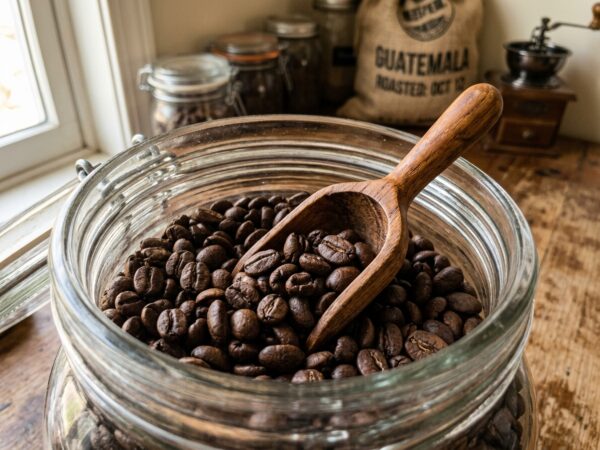
Your grinder can only work with what you give it. Stale, improperly stored beans won’t taste good no matter how perfect your grind is. Good coffee bean storage — an airtight container away from heat, light, and moisture — is just as important as the grinder itself. Starting with quality coffee beans makes every part of the process better.
Don’t Force It
If the grinder is extremely hard to turn, something is wrong. Either the beans are jammed, the burrs are too close together, or there’s a mechanical issue. Forcing it can strip the adjustment mechanism or damage the burrs. Back off, check the grind setting, and try again.
⚠️ Warning: If you experience persistent pain in your hand, wrist, or forearm from grinding, take it seriously. Repetitive strain injuries are real. Consider a coarser grind setting (which requires less effort) or switching to an electric grinder.
Frequently Asked Questions
How long do hand coffee grinder burrs last?
Quality stainless steel burrs typically last 5-10 years with daily home use. Ceramic burrs may dull after 2-3 years. You’ll notice burrs wearing out when grinding takes noticeably longer, grind consistency decreases, or the flavor of your coffee changes. Many premium brands like Comandante, 1Zpresso, and Kinu sell replacement burrs, so you don’t need to buy a whole new grinder.
Can a hand grinder really produce espresso-quality grounds?
Yes, but not all of them. Budget hand grinders lack the fine adjustment increments needed for espresso. Models designed for espresso — such as the 1Zpresso JX-Pro, J-Max, and Kinu M47 — have enough precision to dial in espresso shots that compete with electric grinders in the $300-$500 range. The key is having very fine adjustment steps in the espresso grind range.
How long does it take to grind coffee by hand?
For a single 18-20 gram dose, most quality hand grinders take 30-60 seconds. Larger burrs (like the 48mm burrs in the 1Zpresso JX series) grind faster than smaller ones (like the 38mm burrs in the Timemore C2). Grinding finer also takes longer than grinding coarse. Espresso grinds might take 60-90 seconds, while a coarse French press grind can be done in 20-30 seconds.
Is a $200 hand grinder really worth it over a $50 one?
It depends on how particular you are. A $50 Timemore C2 makes genuinely good coffee for drip and French press — many people are perfectly happy stopping there. A $200+ grinder gives you better consistency, finer adjustment control (especially for espresso), more durable build materials, and a noticeably smoother grinding experience. If you’re serious about espresso or pour-over, the upgrade is worth it. For casual daily brewing, a mid-range option around $70-$100 hits the best value.
Are hand grinders better than blade grinders?
Absolutely, without question. Blade grinders chop beans randomly, producing a mix of large chunks and powder. This makes consistent extraction almost impossible. Even the cheapest burr-equipped hand grinder produces more uniform grounds than an expensive blade grinder. If you’re currently using a blade grinder, upgrading to a hand burr grinder — even a budget one — is the single biggest improvement you can make to your coffee.
Your Next Step
Finding the best hand coffee grinder comes down to three things: your budget, your brew method, and how much you care about precision. If you’re just starting out, grab a Timemore C2 or C3 and enjoy the upgrade from pre-ground coffee — you’ll taste the difference immediately. If you’re already down the rabbit hole and pulling espresso shots, something like the 1Zpresso JX-Pro or J-Max will serve you for years.
Whatever you choose, remember that the best grinder is the one you’ll actually use every day. Don’t overthink it. Pick one that fits your routine, dial in your favorite grind size, and enjoy the ritual. That quiet morning moment of cranking your grinder and smelling the fresh grounds? It’s one of the small pleasures that makes the coffee hobby worth it.