A single coffee bean can taste like two completely different drinks depending on how you brew it. Put the same medium-roast Ethiopian bean through a Chemex and you’ll get a bright, tea-like cup. Run it through a French press and you’ll taste a thick, bold, almost chocolaty brew. Same bean. Same water. Totally different experience.
That’s exactly why the Chemex vs French press debate keeps coming up. If you’re standing at this crossroads trying to figure out which brewer deserves a permanent spot on your countertop, you’re not alone. Thousands of coffee lovers ask this question every single day — and the “right” answer really depends on what kind of coffee drinker you are.
I’ve spent years brewing with both, talking to baristas, and testing every variable I could think of. So let me walk you through everything that actually matters — the taste, the process, the cleanup, the cost, and all the little details that most comparisons skip over.
How These Two Brewers Actually Work
Before you can compare anything, you need to understand what’s happening inside each brewer. They look different, sure. But the real story is about what’s going on with the water, the coffee grounds, and the filter.
The Chemex Method
The Chemex is a pour-over brewer designed by a German chemist named Peter Schlumbohm back in 1941. It looks like an elegant hourglass made of borosilicate glass with a wooden collar and leather tie around the middle.
Here’s how it works: you place a thick, bonded paper filter in the top cone, add medium-coarse coffee grounds, and slowly pour hot water over them. Gravity pulls the water through the grounds and the filter, and your brewed coffee collects in the bottom carafe. The whole process takes about 4 to 5 minutes, and you control the flow rate by how you pour.
That thick paper filter is the key player here. It’s about 20–30% heavier than standard pour-over filters, and it traps most of the coffee oils and fine sediment. If you’ve ever brewed with a V60 or other pour-over dripper, you’ll notice the Chemex filter produces an even cleaner cup.
The French Press Method
The French press — also called a press pot or cafetière — has been around since the 1920s, with the modern design patented by Italian designer Attilio Calimani in 1929. It’s a glass or stainless steel cylinder with a metal mesh plunger.
The process is straightforward. You add coarse coffee grounds to the bottom, pour hot water directly over them, let everything steep together for about 4 minutes, and then push the metal plunger down to separate the grounds from the brewed coffee.
This is full-immersion brewing. The grounds sit in the water the entire time, and the metal mesh filter lets oils and fine particles pass right through into your cup. If you want to understand how grind size affects this process, you’ll find this guide on French press grind size really helpful.
Taste: The Biggest Difference You’ll Notice
Let’s get to the part everyone cares about most. How does the coffee actually taste?
What Chemex Coffee Tastes Like
A well-brewed Chemex cup is clean, bright, and nuanced. Think of it like looking through a perfectly clear window — you can see (or in this case, taste) every detail of the coffee bean’s origin and roast.
Because those thick paper filters absorb most of the oils and diterpenes (naturally occurring compounds in coffee), you’re left with a cup that highlights acidity, sweetness, and delicate flavor notes. Fruity Ethiopian beans? You’ll taste blueberry and citrus. A nice Colombian roast? You’ll pick up caramel and a gentle nuttiness.
The body is light to medium — closer to tea in mouthfeel than what you’d get from an espresso-based drink. People who enjoy tasting the subtleties of single-origin beans tend to fall hard for the Chemex.
What French Press Coffee Tastes Like
French press coffee is the polar opposite in texture and intensity. It’s full-bodied, rich, and heavy on the palate. Those coffee oils that the Chemex filter traps? They flow freely into your French press cup, and they bring a velvety, almost buttery mouthfeel with them.
You’ll also notice fine sediment at the bottom of your mug — a little bit of “sludge” that some people love and others find annoying. The flavor profile leans toward bold, earthy, and chocolaty. Dark roasts and blends with nutty or cocoa notes really shine in a French press.
Quick fact: Those oils your French press lets through contain cafestol and kahweol. Research from the European Journal of Clinical Nutrition suggests these compounds can raise LDL cholesterol levels if you’re drinking multiple unfiltered cups daily. It’s not a deal-breaker for most people, but worth knowing if you’re watching your cholesterol.
So Which Tastes “Better”?
Neither. Honestly. It depends entirely on your palate.
If you like clean, bright, floral, and fruity coffee → Chemex.
If you like bold, thick, rich, and earthy coffee → French press.
Think of it like wine. Some people love a crisp Sauvignon Blanc. Others want a full-bodied Cabernet. Neither is objectively better — they’re just different experiences.
The Brewing Process: Ease and Effort
Taste aside, you’ll be using this brewer every single morning. So how much effort does each one actually require?
Brewing With a Chemex
The Chemex demands your attention. You can’t just pour and walk away. Here’s the general flow:
You boil water to about 200°F (around 30 seconds off a rolling boil), place and rinse the paper filter, add your grounds, and then pour water in controlled stages. Most people use a gooseneck kettle to get that slow, circular pour right. There’s an initial “bloom” stage where you wet the grounds and let them release CO2 for about 30 seconds, and then you pour the remaining water in steady intervals.
The total time is about 4–5 minutes of active brewing. You’re standing there, pouring, watching, adjusting. It’s meditative if you’re into that kind of thing, but it’s not something you can do with your eyes half shut at 6 AM.
Pro tip: Your pour technique matters more than you’d think. Pour too fast and the water channels through the grounds without extracting properly. Pour too slowly and you’ll over-extract, making the coffee bitter. A good gooseneck kettle and a quality grinder make this much easier to control.
Brewing With a French Press
The French press is about as low-effort as manual brewing gets. Add grounds, pour hot water, set a timer for 4 minutes, press the plunger down, and pour.
You don’t need a special kettle. You don’t need to babysit the brewing. You can literally start the steep, brush your teeth, and come back to coffee that’s ready to go. The technique matters less too — French press is very forgiving of small inconsistencies in your water temperature or pour method.
That said, one thing people don’t talk about enough is timing. If you leave the coffee sitting in the French press after it’s done brewing, it keeps extracting because the grounds are still in contact with the liquid below the plunger. So you should pour it out immediately, or it’ll turn bitter.
Verdict on Ease
French press wins this round by a wide margin. If you want a simple, repeatable morning routine with minimal skill required, the French press is your brewer.
Cleanup: The Part Nobody Wants to Talk About
This is actually where a lot of people make their final decision, and I don’t blame them. Cleaning up shouldn’t feel like a chore.
Chemex Cleanup
Pretty painless. Lift out the paper filter (with all the grounds inside it), toss it in the compost or trash, and rinse the glass carafe. Done. The whole thing takes about 30 seconds.
The glass carafe does need a good scrub every few days because coffee stains build up. A bottle brush works well, or you can swirl some ice and coarse salt inside with a bit of water to get it sparkling clean.
French Press Cleanup
Here’s where the French press loses points. That wet mass of coffee grounds sitting at the bottom of the cylinder? It’s stubborn. You can’t just dump it down the sink (hello, clogged drains). You need to scoop the grounds out or add water, swirl, and pour through a strainer.
Then you have to disassemble the plunger — most have three parts including the mesh screen — and clean each piece. Coffee oils build up on that mesh quickly, and if you don’t scrub it regularly, your next brew will taste rancid.
It takes 2–3 minutes every time, and a thorough deep-clean once a week. Not terrible, but noticeably more effort than the Chemex.
Capacity and Serving Size
How much coffee you need at once matters, especially if you’re brewing for family or friends.
The Chemex comes in several sizes: 3-cup, 6-cup, 8-cup, and 10-cup. The 6-cup and 8-cup are the most popular. Keep in mind that a Chemex “cup” is about 5 ounces, not a standard 8-ounce mug. So a 6-cup Chemex makes roughly 30 ounces — about three and a half normal mugs.
French presses also come in multiple sizes, typically 12-ounce (1–2 cups), 17-ounce, 34-ounce (about 4 cups), and 51-ounce. Most people go for the 34-ounce model.
Both can handle solo brewing and small group servings without any problem. If you regularly host people and need to keep coffee warm for a while, pour the finished brew into a good thermos rather than letting it sit in either brewer.
Durability and Build Quality
Both the classic Chemex and the standard French press are made of glass. And glass breaks. I’ve personally dropped a Chemex on a tile floor — it did not survive.
The Chemex is one solid piece of borosilicate glass (the same heat-resistant glass used in lab equipment). It handles temperature changes well, but a single drop onto a hard surface is usually fatal. They don’t make silicone-sleeved versions — it’s just glass, wood, and leather.
Most French presses use thinner glass housed inside a metal or plastic frame. The frame offers some protection, but the glass carafe is still the weak link. The good news? Many companies sell replacement carafes, so you don’t have to buy a whole new brewer.
If durability is a real concern — maybe you’re a camper or just accident-prone — stainless steel French presses exist and they’re practically indestructible. The Chemex doesn’t have a metal equivalent, though you could explore other pour-over options made with glass or metal if the fragility bothers you.
Cost Breakdown: Initial and Ongoing
Let’s talk money, because it adds up over time in ways most people don’t consider.
Upfront Cost
A standard 6-cup Chemex runs between $45 and $55. A decent French press costs $20 to $40 for a glass model, or $30 to $60 for stainless steel. So the French press has a lower entry price.
But here’s the thing — if you’re going Chemex, you’ll probably want a gooseneck kettle for precise pouring. That’s another $25 to $80 depending on whether you go stovetop or electric. The French press works fine with any kettle you already own.
Ongoing Cost
This is where the Chemex gets expensive. Those proprietary Chemex paper filters cost roughly $9 to $10 for a box of 100. If you brew once daily, you’re spending about $35 to $40 per year just on filters.
The French press uses a permanent metal filter. Zero ongoing filter cost. You might replace the mesh screen every year or two, and a replacement costs about $5 to $8.
Over five years of daily use, the French press saves you roughly $150 to $200 in filter costs alone.
Which Gives Better Value?
For pure economics, the French press wins. Lower buy-in, no consumable filters, and cheaper replacement parts. The Chemex is the pricier commitment, but many people happily pay that premium for the taste it delivers.
Coffee Strength and Caffeine Content
Here’s something that surprises a lot of people: the brewing method you choose has a smaller effect on caffeine content than you’d expect.
Both the Chemex and French press use similar coffee-to-water ratios (roughly 1:15 to 1:17) and similar brew times (about 4 minutes). The caffeine extraction is pretty comparable. A standard 8-ounce cup from either brewer contains approximately 95 to 100 mg of caffeine.
Where they differ is in perceived strength. French press coffee tastes stronger because of the oils and body. Chemex coffee tastes lighter even though the actual caffeine level is nearly identical. Your brain associates that heavy mouthfeel with “strong” coffee, but it’s mostly a texture trick.
If you want genuinely stronger coffee from either brewer, use a higher ratio of grounds to water, or choose beans roasted specifically for bold extraction.
Which Beans Work Best in Each Brewer?
Not all coffee beans perform equally in both methods. This is something experienced baristas know but rarely gets discussed in basic comparisons.
Best Beans for Chemex
The Chemex’s clean extraction rewards high-quality, single-origin, light to medium roast beans. Think about origins like Ethiopia Yirgacheffe, Kenya AA, Guatemala Antigua, or Costa Rica Tarrazú. These beans have complex flavor profiles with bright acidity, fruity or floral notes, and a delicate sweetness that the Chemex can highlight beautifully.
Dark roasts in a Chemex tend to taste flat. The filter strips away the oils that give dark roasts their signature richness, and you’re left with something that just tastes… hollow.
Best Beans for French Press
The French press is a workhorse for medium to dark roasts. Sumatra Mandheling, Brazilian Santos, Colombian Supremo — these earthy, chocolaty, nutty beans thrive in full-immersion brewing. The oils come through, the body fills your mouth, and you get a satisfying, warm cup.
You can absolutely use light roasts in a French press, but the heavy body can mask those delicate floral notes you’d taste in a Chemex. It’s not bad — just different from what the roaster probably intended.
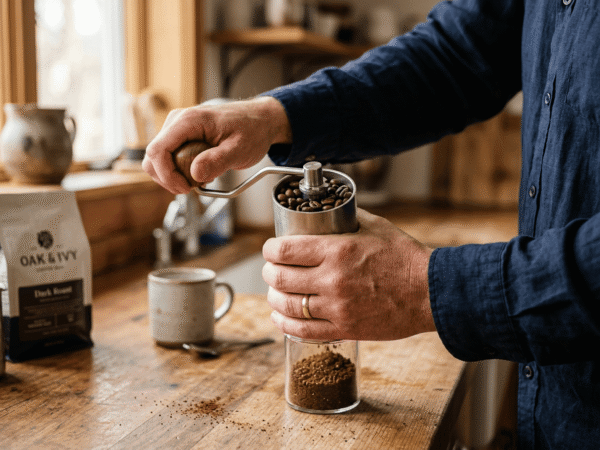
Pro tip: Whatever brewer you choose, grind your beans fresh right before brewing. Pre-ground coffee loses flavor within 15–20 minutes of grinding. A reliable hand grinder costs less than you’d think and makes a massive difference in cup quality.
Who Should Pick the Chemex?
The Chemex is your brewer if you check most of these boxes:
You appreciate clean, nuanced coffee and enjoy noticing subtle flavor differences between beans. You don’t mind spending a few extra minutes on a mindful brewing ritual. You mostly drink light to medium roasts or single-origin specialty coffee. You’re okay with buying paper filters regularly. And you think the Chemex looks gorgeous on your counter — because let’s be real, it does. It’s literally part of the permanent collection at MoMA (Museum of Modern Art) in New York.
The Chemex also makes a fantastic choice if you’re already into the pour-over brewing style and want to level up your game.
Who Should Pick the French Press?
The French press is calling your name if this sounds like you:
You love bold, rich, full-bodied coffee. You want a brewer that’s dead simple — no technique learning curve, no special equipment. You drink dark roasts or blends and you’re not chasing individual tasting notes. Budget matters to you, both upfront and over time. And you want something that travels well — a stainless steel French press can go camping, to the office, or in your suitcase.
If you’re still exploring how the French press stacks up against other methods, you might also enjoy comparing the French press vs espresso or French press vs drip for even more perspective.
Can You Own Both? (Honestly, You Should Consider It)
Here’s a thought that most “versus” articles won’t give you: owning both isn’t crazy. They serve different moods and situations.
Sunday morning, nowhere to rush, you just picked up a bag of light-roast Kenyan beans from a local roaster? Chemex all the way. Enjoy the ritual. Taste every note.
Monday morning, barely awake, you just need good coffee fast? French press. Grounds in, water in, timer on, done.
Having guests over and everyone likes different styles? Brew a Chemex for the coffee nerds and a French press for the folks who just want a solid, strong cup.
Both brewers together cost less than a mid-range electric drip machine and take up minimal counter space. If your budget allows, there’s no rule that says you have to pick just one.
FAQ
Does Chemex or French press make stronger coffee?
In terms of caffeine, they’re nearly identical — about 95–100 mg per 8-ounce cup with standard ratios. The French press produces coffee that tastes stronger because of the oils and full body that pass through the metal filter. The Chemex makes a cleaner, lighter-tasting cup with similar caffeine content. If you want genuinely stronger coffee from either, simply increase your coffee-to-water ratio.
Is Chemex coffee healthier than French press coffee?
There’s a notable health angle here. The Chemex’s thick paper filter traps cafestol and kahweol — two diterpenes found in coffee oils that can raise LDL cholesterol. The French press’s metal filter lets these compounds through. A 2020 study published in the European Journal of Preventive Cardiology found that filtered coffee was associated with lower cardiovascular risk compared to unfiltered coffee. If cholesterol is a concern for you, the Chemex (or any paper-filtered method) is the safer choice. For occasional French press drinkers, the impact is minimal.
Can I use regular paper filters instead of Chemex filters?
Technically yes, but you’ll notice a difference. Generic cone filters are thinner and don’t trap oils as effectively, which changes the flavor profile. Chemex’s proprietary bonded filters are specifically designed to be 20–30% thicker. Some third-party brands make Chemex-compatible filters that work reasonably well and cost a bit less. But if you’re buying a Chemex specifically for that ultra-clean taste, using the real Chemex filters is worth the extra few dollars.
What grind size should I use for each brewer?
For the Chemex, aim for a medium-coarse grind — roughly the texture of sea salt. Too fine and the water will clog the thick filter and over-extract. For the French press, go coarser — think breadcrumb-sized particles. Too fine in a French press means excessive sediment in your cup and a muddy, over-extracted flavor. Getting your grind size right is honestly the single biggest factor in brew quality for both methods.
How long does coffee stay fresh in each brewer after brewing?
Neither brewer is designed to keep coffee warm for long. The Chemex carafe and French press cylinder are both glass, and your coffee will cool to lukewarm within 20–30 minutes. More importantly, brewed coffee starts tasting stale after about 30 minutes regardless of temperature. Your best move is to brew only what you’ll drink right away, or transfer the finished coffee into a quality insulated thermos if you need it to last longer.
Your Next Step
Both the Chemex and French press are legitimate, time-tested ways to make excellent coffee at home. Neither one is “better” in any absolute sense. They just appeal to different tastes, lifestyles, and priorities.
If you’re still unsure, ask yourself one simple question: Do you want your coffee clean and bright, or bold and full? That answer alone will point you toward the right brewer.
And if you grabbed one of these brewers because of what you read here, do yourself a favor — invest in fresh, quality beans and grind them right before you brew. That single habit will improve your cup more than any brewer choice ever could. Good coffee starts with good beans. Everything else is just how you bring them to life.