A single cup of poorly brewed coffee can ruin your entire morning — and most people don’t realize their coffee maker is the problem, not the beans. The pour over drip coffee maker sits right at the sweet spot between full manual brewing and the convenience of a machine. It gives you the clean, nuanced flavor of a hand-poured cup without asking you to hover over a kettle for four straight minutes.
But here’s the thing — the term “pour over drip coffee maker” confuses a lot of people. Is it a pour over? Is it a drip machine? Is it both? And more importantly, which one should you actually buy?
That’s exactly what we’re going to sort out. Whether you’re upgrading from a basic drip machine or you’re curious about pour over but don’t want the ritual every morning, this guide breaks down everything you need to know — from how these brewers work to what makes one better than another.
What Exactly Is a Pour Over Drip Coffee Maker?
Let’s clear up the confusion right away. A pour over drip coffee maker is essentially a brewer that uses gravity to pull hot water through ground coffee, much like a traditional pour over — but with some degree of automation or structural design that simplifies the process.
Think of it this way. A classic pour over (like a V60 or Chemex) requires you to manually heat water, pour it in slow circles, and control every variable. A standard drip coffee maker does everything automatically but gives you almost zero control over extraction.
A pour over drip coffee maker bridges that gap. Some versions are manual devices designed with optimized water distribution (like showerhead lids or built-in drip systems). Others are electric machines that mimic the pour over technique automatically — heating water to precise temperatures and dispersing it evenly over the coffee bed.
The result? You get that bright, clean pour over flavor profile with less effort.
Quick fact: The Specialty Coffee Association (SCA) certifies certain drip machines that meet pour over-quality standards, including water temperature between 195°F and 205°F and proper brew time between 4 and 8 minutes.
If you’ve been comparing French press vs pour over methods and felt stuck between the two, a pour over drip maker offers a third path worth considering.
How Does a Pour Over Drip Coffee Maker Actually Work?
The brewing principle is straightforward — hot water meets ground coffee, gravity pulls the water through, and what drips into your carafe is brewed coffee. But the details matter more than most people think.
The Water Distribution System
This is where pour over drip makers separate themselves from cheap drip machines. A regular $20 drip coffee maker typically has a single drip point or a small spout that dumps water onto one spot of the coffee grounds. That creates uneven extraction — some grounds get over-extracted (bitter), while others barely get touched (sour and weak).
A good pour over drip coffee maker uses a showerhead-style dispersal system. Water spreads evenly across the entire bed of coffee, just like you’d do with a gooseneck kettle during manual pour over. This even saturation is the single biggest reason these brewers produce better-tasting coffee.
Temperature Precision
Water temperature might be the most underrated variable in coffee brewing. Too cool, and you under-extract — your coffee tastes flat and sour. Too hot, and you pull out harsh, bitter compounds.
Most budget drip machines heat water to inconsistent temperatures, sometimes as low as 175°F. Pour over drip coffee makers — especially SCA-certified ones — maintain water between 195°F and 205°F throughout the entire brew cycle. That consistency is what creates a balanced, full-flavored cup.
Bloom Phase
Here’s something interesting. Higher-end pour over drip makers include a pre-infusion or bloom cycle. They release a small amount of water first, pause for 30 to 45 seconds, and then continue brewing. This mimics what manual pour over enthusiasts do — the bloom phase lets carbon dioxide escape from fresh grounds, which allows water to extract flavor more evenly during the main pour.
If your current drip machine doesn’t bloom, you’re probably missing out on 15 to 20 percent of the flavor potential in your beans.
Manual vs. Electric: Which Type Should You Choose?
This is where the real decision happens for most buyers. Both types call themselves pour over drip coffee makers, but they serve different needs.
Manual Pour Over Drip Makers
These are devices like the Clever Dripper, Kalita Wave, or certain ceramic/glass drippers that use a flat-bottom or cone-shaped design. You still pour water yourself, but the brewer’s design controls flow rate and extraction more predictably than a basic V60.
Who’s this for? Someone who enjoys the hands-on process but wants more consistency than a freehand pour over. Brewing time is typically 3 to 4 minutes, and cleanup is minimal. You’re looking at a price range of $15 to $50 for most quality manual options.
If you’re drawn to the simplicity of glass drippers, take a look at how a glass pour over coffee maker performs — the material affects heat retention more than you’d expect.
Electric Pour Over Drip Makers
These are machines — brands like Technivorm Moccamaster, Breville Precision Brewer, OXO Brew, and Bonavita — that automate the entire pour over process. You add water and grounds, press a button, and the machine handles temperature, water flow, bloom, and brew time.
Who’s this for? Someone who wants pour over quality every single morning without the ritual. You’re busy, you want consistency, and you don’t mind spending $80 to $300 for a machine that delivers it.
Pro Tip: If you’re shopping under a tight budget, you’ll find some surprisingly capable options in our roundup of the best coffee makers under $100. Not every great brewer costs a fortune.
The Real Difference in Your Cup
Manual pour over drip makers give you slightly more control. You can adjust pour speed, water temperature, and timing on the fly. If you enjoy coffee as a craft, this is your lane.
Electric pour over drip makers deliver remarkable consistency. Cup number 100 tastes virtually identical to cup number 1. If you value reliability over ritual, go electric.
Neither is objectively “better” — it depends on what you value in your morning routine.
What to Look For Before You Buy
Shopping for a pour over drip coffee maker without knowing what matters is like buying running shoes based on color alone. Here are the variables that actually affect your coffee.
Brew Temperature Stability
We talked about the 195°F to 205°F sweet spot. But it’s not enough for a machine to hit that range once — it needs to hold it throughout the entire brew cycle. Cheaper machines spike hot at the start and drop off quickly. Look for models that explicitly advertise thermal stability or SCA certification.
Showerhead Design
Check how the machine distributes water. A wide, multi-hole showerhead outperforms a single drip spout every time. Some models (like the Moccamaster) use a pulsing action that pauses and resumes water flow, simulating manual pour over intervals.
Filter Type
Paper filters produce the cleanest cup — they trap oils and fine sediment, giving you a bright, tea-like clarity. Metal mesh filters allow more oils through, resulting in a fuller body similar to French press coffee. Your filter choice dramatically changes the flavor profile.
If you’ve ever compared Chemex pour over to other methods, you’ve experienced this difference firsthand — Chemex’s thick paper filters are a big part of why it tastes so distinct.
Carafe Material
Glass carafes let you see your coffee but lose heat fast. Thermal (stainless steel) carafes keep coffee hot for hours without a hot plate — and no hot plate means your coffee won’t develop that burnt, stale taste after sitting.
Capacity
Do you brew for yourself or for a household? Single-cup pour over drip makers are perfect for solo drinkers. If you need 8 to 10 cups at once, you’ll want a full-size machine. And if you’re specifically looking for one-cup convenience, a single cup pour over coffee maker might be your best bet.
Getting the Best Flavor From Your Pour Over Drip Coffee Maker
Owning a great brewer is only half the equation. How you use it determines whether your coffee is exceptional or just okay.
Grind Size Matters — A Lot
Pour over drip brewing works best with a medium grind — roughly the texture of sea salt. Too fine, and water passes through too slowly, over-extracting your coffee into bitter territory. Too coarse, and water rushes through before it can pull enough flavor, leaving you with a weak, watery cup.
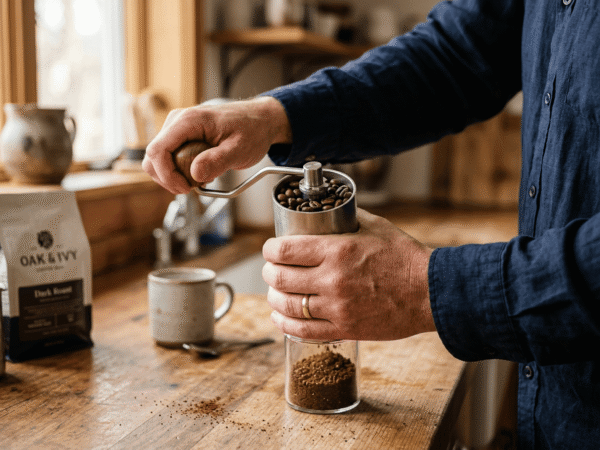
If you’re using pre-ground coffee from a bag, it’s probably ground for generic drip machines and might work fine. But freshly grinding your beans right before brewing makes a noticeable difference. Even a basic burr grinder changes things dramatically.
For anyone using a drip setup regularly, having the right grinder for drip coffee is honestly just as important as the brewer itself.
Coffee-to-Water Ratio
The golden ratio most specialty coffee professionals recommend is 1:16 — one gram of coffee for every 16 grams (or milliliters) of water. In practical terms, that’s about 2 tablespoons of ground coffee per 6 ounces of water.
Start there, then adjust. Like it stronger? Go 1:15. Prefer it lighter? Try 1:17. There’s no single “correct” ratio — just the one that tastes right to you.
Water Quality
This might sound picky, but your coffee is 98% water. If your tap water tastes off — chlorinated, metallic, or overly mineral-heavy — your coffee will carry those flavors. Filtered water (not distilled — you need some mineral content for proper extraction) consistently produces better results.
Freshness of Beans
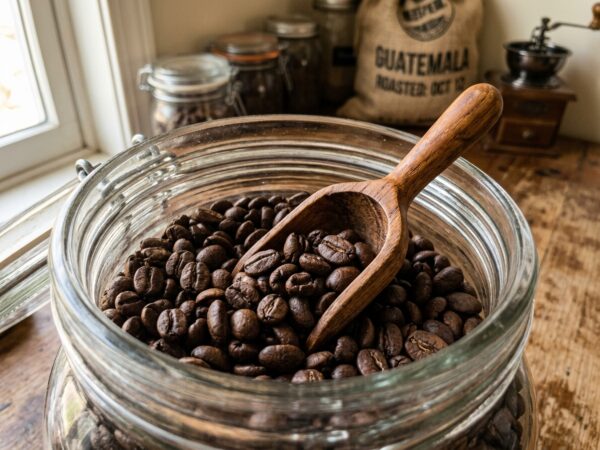
Coffee beans hit their peak flavor window between 7 and 21 days after roasting. After that, they start going stale, losing the aromatic compounds that make pour over coffee so enjoyable. Check the roast date on your bag — not the expiration date. And once you open a bag, proper coffee bean storage keeps things fresh longer than most people expect.
Did you know? Roughly 60% of coffee’s flavor compounds are volatile aromatics that start degrading within 15 minutes of grinding. That’s why grinding right before brewing isn’t just snobbery — it’s chemistry.
Pour Over Drip vs. Standard Drip: What’s the Real Difference?
You might be wondering — is a pour over drip coffee maker really that different from the $30 drip machine sitting on your counter right now?
Yes. And the difference shows up in three specific areas.
Extraction Evenness
A standard drip machine typically dumps water unevenly across the coffee bed. The grounds directly under the water stream get over-saturated, while the grounds at the edges stay relatively dry. You end up with a muddled, inconsistent flavor.
A pour over drip maker — whether manual or electric — distributes water across the entire surface of the coffee bed. Every ground particle gets similar contact time with water. The result is a cleaner, more defined flavor where you can actually taste the origin characteristics of your beans.
Temperature Control
Most budget drip machines don’t give you any say in water temperature. Many don’t even reach the proper brewing range. Pour over drip coffee makers prioritize thermal accuracy, and the higher-end electric models let you set your exact preferred temperature.
Brew Time Control
Standard drip machines brew at whatever speed they brew. You can’t change it. Better pour over drip makers — especially manual ones — let you control how quickly or slowly water passes through the grounds. That control over contact time is what separates a good cup from a great one.
If you’re weighing a full comparison between these approaches, our detailed breakdown of French press vs drip covers how immersion brewing stacks up against both drip methods. It’s a useful perspective if you’re still deciding on your primary brewing method.
Top Pour Over Drip Coffee Makers Worth Considering in 2025
Rather than listing 15 options that’ll overwhelm you, here are the standouts across different price points and use cases.
Best Overall: Technivorm Moccamaster
The Moccamaster has been the gold standard for automated pour over drip brewing for decades. It’s handmade in the Netherlands, SCA-certified, and brews a full carafe in about 5.5 minutes. Water temperature stays locked between 196°F and 205°F. The copper heating element and pulsing showerhead consistently produce clean, flavorful coffee. It costs around $300, and the company backs it with a 5-year warranty. Machines from the early 2000s are still running perfectly in many kitchens.
Best Value: Bonavita Connoisseur
At roughly $80 to $100, the Bonavita Connoisseur punches well above its price class. It features a wide showerhead, optional pre-infusion mode, and a thermal carafe. It’s SCA-certified, which means it meets professional brewing standards. If the Moccamaster’s price tag makes you hesitate, the Bonavita is where you should look.
Best for Tech Lovers: Breville Precision Brewer
The Breville gives you almost ridiculous control for an automatic machine — adjustable bloom time, temperature, and flow rate. It can brew pour over style, cold brew, or standard drip. It’s the Swiss Army knife of coffee makers, priced around $250 to $300.
Best Manual Option: Kalita Wave 185
For manual pour over drip brewing, the Kalita Wave’s flat-bottom design and three small drain holes create an incredibly forgiving brew. You don’t need a perfectly timed pour — the flat bed and restricted flow do a lot of the work for you. At $25 to $40, it’s a steal.
For those who prefer the look and feel of metal construction over ceramic or glass, exploring a metal pour over coffee maker could lead you to some durable, travel-friendly options.
Common Mistakes People Make With Pour Over Drip Brewers
Even with a good brewer, small errors can tank your coffee quality. Here’s what trips most people up.
Not Pre-Wetting the Filter
Paper filters can impart a papery taste to your coffee if you don’t rinse them first. Run hot water through your filter before adding grounds. It takes ten seconds and makes a real difference — you’ll notice it most with white paper filters.
Using Boiling Water
Boiling water (212°F) scorches coffee grounds instantly. If you’re using a manual pour over drip maker and heating your own water, let your kettle sit for 30 to 45 seconds after it boils. That brings it into the ideal 195°F to 205°F range.
Ignoring the Bloom
If your electric machine doesn’t have a pre-infusion cycle, you can simulate one manually. Start the machine, let a small amount of water saturate the grounds, then pause it for 30 seconds before continuing. Not every machine makes this easy, but when you can do it, the improvement in flavor clarity is worth the effort.
Overfilling the Basket
Packing too much ground coffee into the brew basket restricts water flow. Instead of even extraction, you get channeling — water finds the path of least resistance and bypasses large sections of grounds. Use the proper ratio and make sure the coffee bed sits level.
Leaving Coffee on the Hot Plate
If your brewer uses a glass carafe and hot plate, don’t leave coffee sitting there for more than 20 minutes. The continued heat breaks down flavor compounds and turns your coffee bitter and harsh. Pour it into a thermal carafe or mug as soon as brewing finishes.
How to Clean and Maintain Your Pour Over Drip Coffee Maker
A well-maintained brewer doesn’t just last longer — it makes better coffee. Residual coffee oils go rancid over time and taint every new batch you brew.
Daily Cleaning
Discard used grounds and rinse the brew basket after every use. Wipe down the showerhead or spray disc if your machine has one. These small deposits build up surprisingly fast.
Monthly Deep Clean
Run a solution of equal parts white vinegar and water through your electric machine once a month. Follow it with two cycles of plain water to flush out any vinegar residue. For manual drippers, soak them in the same vinegar solution for 20 minutes, then rinse thoroughly.
Descaling
If you live in an area with hard water, mineral buildup will eventually clog your machine’s internal tubing and reduce water temperature. Descale every 2 to 3 months using a citric acid solution or commercial descaler. Your brew temperature and flow rate will return to normal immediately.
Pro Tip: If you notice your brew time gradually getting longer — say, 6 minutes instead of the usual 4.5 — mineral buildup is almost certainly the cause. A quick descale usually fixes it.
FAQ
Is a pour over drip coffee maker better than a regular drip coffee maker?
For flavor quality, yes. A pour over drip coffee maker provides more even water distribution, better temperature control, and often includes a bloom cycle — all of which produce a cleaner, more nuanced cup. A regular drip machine prioritizes convenience at the expense of those details. That said, high-quality pour over drip machines (like the Moccamaster or Breville Precision Brewer) can be just as convenient as a standard drip machine while delivering noticeably better coffee.
What grind size should I use for a pour over drip coffee maker?
Medium grind — about the consistency of regular sand or sea salt. If you’re using a manual pour over dripper (like a Kalita Wave or V60), you can go slightly finer (medium-fine) since you control the pour speed. For electric pour over drip machines, stick with medium. If your coffee tastes bitter, your grind is too fine. If it tastes sour and thin, grind finer.
How much should I spend on a good pour over drip coffee maker?
You can get a quality manual pour over dripper for $20 to $50. For an electric pour over drip machine, $80 to $150 gets you a solid, SCA-certified brewer that’ll last years. Premium models from Technivorm and Breville run $250 to $350, but the improvements above the $100 to $150 range are more about features and build quality than dramatic flavor differences. Start with a Bonavita Connoisseur if you want great results without overspending.
Can I use a pour over drip coffee maker for cold brew?
Manual pour over drippers aren’t designed for cold brew since the process requires 12 to 24 hours of steeping, which isn’t how gravity drip works. Some electric pour over drip makers — like the Breville Precision Brewer — include a dedicated cold brew setting. But for proper cold brew, you’re better off using a purpose-built system. Here’s a helpful guide on finding the best cold brew coffee maker if that’s something you’re interested in.
Do pour over drip coffee makers use paper or metal filters?
Both options exist, and each changes your coffee differently. Paper filters absorb oils and trap sediment, producing a lighter, cleaner cup. Metal mesh filters let oils pass through, creating a richer, fuller-bodied cup closer to French press texture. Most pour over drip coffee makers support paper filters by default, but reusable metal filters are widely available as accessories.
Your Next Step
Here’s the honest truth — a pour over drip coffee maker isn’t going to change your life. But it will change your coffee. And if you drink two or three cups a day, that adds up to hundreds of better mornings every year.
If you’re just starting out and want something forgiving and affordable, grab a Kalita Wave and a basic gooseneck kettle. Total cost: about $60. You’ll learn the fundamentals, and you’ll taste an immediate improvement over anything a cheap drip machine can produce.
If you want automation without sacrificing quality, look at the Bonavita Connoisseur or save up for a Moccamaster. Set it up once, press a button, and get pour over-quality coffee while you’re still half asleep.
The best brewer is the one that fits your mornings — not someone else’s idea of the perfect cup. Start somewhere, pay attention to how your coffee tastes, and adjust from there. That’s really all there is to it.