Most coffee lovers don’t need a $500 espresso machine or a complicated pour-over setup. They need a reliable automatic drip coffee maker that brews a great pot every single morning — without making them think too hard about it. And honestly? That’s a perfectly smart choice.
The automatic drip coffee maker is the workhorse of American kitchens. According to the National Coffee Association’s 2024 report, drip coffee makers still account for roughly 40% of all coffee brewed at home in the U.S. That number hasn’t budged much over the years, and there’s a good reason: these machines are simple, consistent, and they scale well whether you’re making two cups or twelve.
But here’s where it gets tricky. Walk into any store or scroll through Amazon, and you’ll find hundreds of options priced anywhere from $25 to $300+. Some look nearly identical but perform wildly differently. The wrong pick means lukewarm coffee, uneven extraction, or a carafe that dribbles every time you pour.
I’ve spent a lot of time testing, comparing, and honestly just drinking a lot of coffee to figure out which machines actually deliver. So let’s get into the ones that are genuinely worth your money — and more importantly, why they’re worth it.
What Actually Makes an Automatic Drip Coffee Maker “Good”?
Before we talk specific models, you need to know what separates a mediocre drip machine from one that’ll make you forget about your local coffee shop. There are really only a handful of things that matter, but they matter a lot.
Brew temperature is the big one. The Specialty Coffee Association (SCA) recommends water temperature between 195°F and 205°F for optimal extraction. Cheap machines often can’t reach that range consistently, which means your coffee ends up under-extracted — weak, sour, and flat. A good automatic drip coffee maker hits that sweet spot and holds it throughout the entire brew cycle.
Showerhead design is the second factor most people overlook. You know how a pour-over works — water is evenly distributed over the grounds so every particle gets saturated? The best drip machines mimic that with a wide, multi-hole showerhead. Cheaper ones just dump water in one stream, which means some grounds are over-extracted and others barely get wet.
Thermal vs. glass carafe is a personal preference, but it affects your coffee quality after brewing. Glass carafes sit on a hot plate, which keeps cooking your coffee and makes it bitter within 20-30 minutes. Thermal carafes hold heat without a hot plate, keeping your coffee tasting fresh for a couple of hours.
Then there’s build quality, programmability, and ease of cleaning — things that don’t affect flavor directly but determine whether you’ll still enjoy using the machine six months from now.
If you’re curious about how drip coffee stacks up against other brewing methods, our comparison of French press vs drip coffee breaks that down pretty thoroughly.
The Best Automatic Drip Coffee Makers Worth Buying
I’m not going to list 15 machines here. You don’t need 15 options — you need 6 or 7 great ones that cover different needs and budgets. Here’s what actually stood out after extensive testing and research.
Technivorm Moccamaster KBGV Select
Let’s start with the one that coffee enthusiasts won’t stop talking about — and for good reason. The Technivorm Moccamaster is handmade in the Netherlands and has been the gold standard for SCA-certified drip brewing for years.
What makes it special? The copper heating element brings water to the ideal 196°F–205°F range in under a minute, and it holds that temperature rock-steady through the entire brew. The showerhead distributes water across the grounds in a wide, even spray pattern. And the brew time? About 4 to 6 minutes for a full pot, which is right in that SCA-approved window.
The KBGV Select model added a half-carafe and full-carafe brew switch, so you can adjust flow rate depending on how much coffee you’re making. That’s a small feature that makes a genuine difference in extraction quality when you’re only brewing 4 cups instead of 10.
Is it expensive? Yes — around $310-$350 depending on the color. But Technivorm offers a 5-year warranty, and these machines regularly last 10+ years. If you do the math on a per-cup basis over a decade, it’s actually cheaper than most mid-range machines that die after 2-3 years.
Best for: Anyone who wants the best-tasting drip coffee possible and doesn’t mind paying upfront for long-term quality.
Breville Precision Brewer
If the Moccamaster is the purist’s choice, the Breville Precision Brewer is for the tinkerer who wants control. This machine is also SCA-certified, but it goes further by letting you adjust brew temperature, bloom time, and flow rate.
There’s a “Gold Cup” preset that follows SCA standards right out of the box. But you can also switch to a “Strong” mode, a “Fast” mode (brews a full pot in about 4 minutes), an “Iced” mode that brews a concentrated batch directly over ice, and a “Cold Brew” mode. Yes, you read that right — an automatic drip machine that makes cold brew. It takes about 4 hours instead of the usual 12-24 you’d need with a dedicated cold brew coffee maker, though the flavor profile is a bit different.
The flat-bottom filter basket is another smart design choice. It provides more even extraction than cone-shaped baskets because the water contact time is more consistent across the entire bed of grounds.
Priced around $250-$300, it’s not cheap either. But it’s probably the most versatile automatic drip coffee maker you can buy right now.
Best for: Coffee nerds who want to experiment, households with multiple coffee preferences, and anyone who values versatility.
OXO Brew 9-Cup Coffee Maker
OXO hit a sweet spot with this one. It’s SCA-certified, brews excellent coffee, and costs around $170-$200 — which puts it solidly in the “premium but not extravagant” category.
The microprocessor-controlled brew cycle manages water temperature precisely, and the rainmaker showerhead (OXO’s term for their multi-hole spray design) distributes water evenly across the grounds. You get a double-walled stainless steel thermal carafe that keeps coffee hot for a reasonable amount of time — roughly 2 hours before it starts cooling noticeably.
One thing I appreciate about the OXO is how thoughtfully simple it is. There’s a single-serve option for smaller batches, a straightforward timer, and that’s about it. No overwhelming menus. No 47 buttons. Just good coffee with minimal fuss.
The 9-cup capacity might feel small if you regularly brew for a crowd, but for a household of 1-3 coffee drinkers, it’s perfect.
Best for: People who want SCA-certified quality without the Moccamaster price tag, and anyone who values clean, intuitive design.
Cuisinart DCC-3200P1 PerfecTemp
Now we’re getting into the budget-friendly territory where things get interesting. The Cuisinart PerfecTemp runs about $80-$100, and it punches way above its price point.
Cuisinart uses a “PerfecTemp” system that allegedly maintains optimal brew temperature throughout the cycle. Is it as precise as a Moccamaster or Breville? Honestly, no. Independent temperature tests show it hovers around 190°F–200°F, which is close but occasionally dips below ideal range. That said, the resulting coffee is still noticeably better than what you’d get from a basic $30 machine.
The 14-cup glass carafe is huge, which makes it great for families or anyone who hosts guests regularly. It has a programmable timer, adjustable brew strength, and the hot plate has temperature controls so you can reduce the “cooking” effect on your coffee.
If you’d rather explore more options in this price range, we put together a focused guide on the best drip coffee makers under $100 that you might find helpful.
Best for: Budget-conscious buyers, large households, and anyone who needs a big-capacity machine that still brews decent coffee.
Ninja DualBrew Pro Specialty Coffee System
Ninja has carved out a niche by offering machines that try to do everything. The DualBrew Pro is their most capable offering — it brews a full carafe, a single cup (using grounds or pods), and offers multiple brew styles including Classic, Rich, Over Ice, and Specialty (a concentrated brew for lattes and cappuccinos).
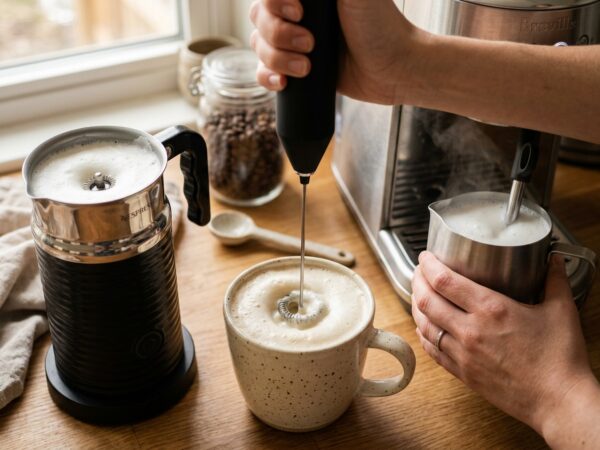
The single-serve side accepts both Ninja’s own brew baskets and K-Cup pods, which gives you flexibility if someone in your house likes pod convenience while you prefer fresh grounds. If you enjoy making drinks like lattes at home, pairing this with one of the best coffee frothers gives you a pretty capable home café setup.
Temperature performance is solid — it consistently reaches the 195°F+ range. The thermal carafe option (go with this over the glass version) keeps coffee warm and fresh-tasting.
At around $160-$200, it’s a lot of machine for the money. The downside? It’s physically large. Like, really large. Measure your counter space before you buy.
Best for: Households where people have different coffee preferences, anyone who wants carafe and single-serve capability in one machine.
Bonavita BV1500TS 5-Cup
Not everyone needs to brew a huge pot. If you’re a solo coffee drinker or a couple that shares 2-3 cups in the morning, a 5-cup machine makes more sense than a 12-cup one that you only fill halfway (which actually hurts extraction quality in most machines).
The Bonavita BV1500TS is compact, SCA-certified, and brews an excellent small pot. The pre-infusion mode wets the grounds before the full brew cycle starts, which mimics the “bloom” phase in manual pour-over brewing and improves flavor extraction. If you’ve ever used a Chemex pour-over or a V60, you’ll recognize what this pre-infusion does to the taste.
It comes with a stainless steel lined thermal carafe, one-touch brewing, and virtually no frills. There’s no timer, no strength selector, no app connectivity. Just a button. Press it, wait about 5 minutes, drink great coffee.
Priced around $75-$100, it’s one of the best values in the automatic drip world.
Best for: Solo drinkers, couples, small kitchens, and minimalists who just want good coffee without features they’ll never use.
Braun MultiServe Coffee Machine
Braun’s MultiServe does something clever — it lets you brew 7 different sizes, from a single cup all the way up to a full 10-cup carafe. You select your size with a dial, and the machine adjusts water volume and brew time accordingly.
This is genuinely useful because most drip machines don’t adapt well to small batches. When you only use enough water and grounds for 3 cups in a 12-cup machine, the water passes through the grounds too quickly and you get weak, watery coffee. The Braun actually compensates for this.
Brew temperature is consistent, the gold-tone permanent filter is a nice inclusion (saves money on paper filters), and the ExactBrew system maintains good water distribution. The BrewSense technology adjusts the infusion time based on the size you’ve selected.
It runs about $120-$150, which puts it in a comfortable mid-range spot.
Best for: People who sometimes want one cup and sometimes want a full pot, and anyone tired of their machine only performing well at full capacity.
SCA Certification: Does It Actually Matter?
You’ve seen me mention SCA certification a few times, and you might be wondering whether it’s marketing fluff or something real.
The Specialty Coffee Association tests coffee makers against specific performance criteria. To earn their “Certified Home Brewer” designation, a machine must brew at the correct temperature (197.6°F ± 2°F), maintain proper contact time, and achieve a target extraction percentage between 18-22%. They independently test each model — manufacturers can’t pay for the certification without passing the tests.
Does that mean non-certified machines always brew bad coffee? Not necessarily. The Cuisinart PerfecTemp and Ninja DualBrew Pro aren’t SCA-certified, but they still produce good results. Think of SCA certification as a guarantee of performance rather than a minimum requirement for drinkable coffee.
That said, if you’re comparing two similarly-priced machines and one is SCA-certified, go with the certified one. You’re getting verified performance instead of just marketing promises.
Grind Size and Bean Quality: The Part Most People Ignore
Here’s something that might sting a little: even the best automatic drip coffee maker can’t fix bad beans or the wrong grind size.
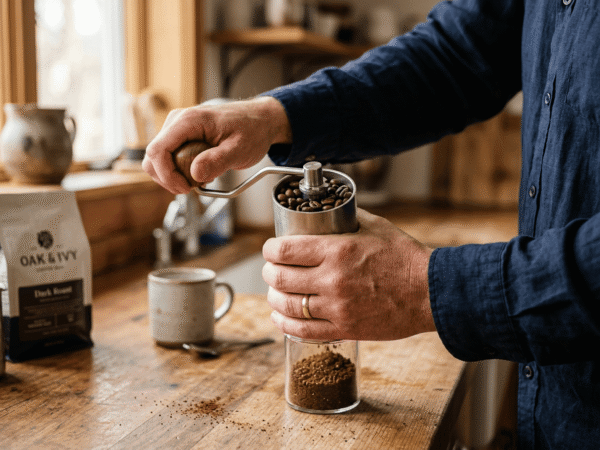
For drip brewing, you want a medium grind — roughly the texture of coarse sand. Too fine and your coffee over-extracts (bitter, harsh). Too coarse and it under-extracts (sour, thin). If you’re currently using pre-ground coffee from a can, that’s usually an acceptable grind for drip machines, but freshly ground whole beans will dramatically improve your cup.
A decent burr grinder makes a bigger difference than upgrading from a $100 machine to a $300 one. Seriously. Our guide to the best coffee grinder for drip coffee covers what to look for, but the short version is: get a burr grinder (not a blade grinder), and expect to spend $50-$150 for one that produces consistent particle size.
And if you want to take it one step further, some machines combine the grinder and brewer into one unit. We reviewed the best drip coffee makers with built-in grinders if that interests you.
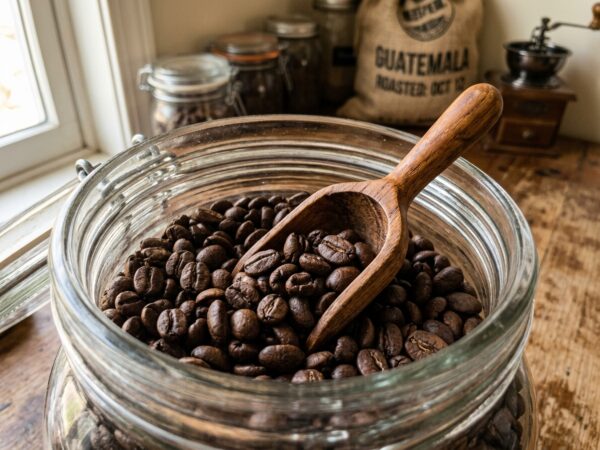
Bean freshness matters too. Whole beans stay fresh for about 2-4 weeks after roasting if stored properly. After that, flavors start fading. Proper coffee bean storage — airtight container, room temperature, away from light — keeps your beans at their best.
Thermal Carafe vs. Glass Carafe: Which One Should You Pick?
This debate comes up constantly, and the answer depends on your habits more than anything else.
Glass carafes are paired with a hot plate that keeps the coffee warm. The problem is that the hot plate continues heating (essentially cooking) the coffee. Within 20-30 minutes, you’ll notice a stale, slightly burnt taste developing. If you always drink your coffee within 15-20 minutes of brewing, a glass carafe works fine. They’re also cheaper, easier to clean, and you can see how much coffee is left.
Thermal carafes are vacuum-insulated and hold heat without any external heating element. Your coffee stays at a drinkable temperature for 1-2 hours and tastes just as fresh as when it was brewed. The downside? They’re pricier, you can’t see the coffee level without opening the lid, and they require more thorough cleaning to prevent oil buildup inside.
Pro tip: If you go the thermal carafe route, preheat the carafe with hot water before brewing. Just fill it with hot tap water, let it sit for a minute, then dump it out. This prevents the cold carafe from absorbing heat from your first few cups and keeps the entire pot warmer, longer.
For people who brew a pot and slowly sip over an hour or two — especially while working from home — thermal is the clear winner. If you pour your coffee immediately and put the rest in a quality thermos, the carafe type matters less.
Water Quality: The Ingredient Nobody Thinks About
Your coffee is about 98% water. Let that sink in for a second. You can buy the best automatic drip coffee maker on the market, use freshly roasted beans with a perfect grind, and still brew disappointing coffee if your water is off.
Hard water (high mineral content) tends to produce flat, chalky-tasting coffee. Distilled or reverse-osmosis water has the opposite problem — too few minerals, so the water can’t properly extract flavors from the grounds. Slightly filtered water, like what you’d get from a basic Brita pitcher, tends to work best.
The SCA recommends water with a total dissolved solids (TDS) level between 75-250 mg/L, ideally around 150 mg/L. You don’t need to test your water with laboratory equipment — a simple TDS meter costs about $10-$15 on Amazon and gives you a ballpark number in seconds.
Did you know? Mineral buildup from hard water is also the number one reason automatic drip coffee makers slow down and eventually stop working. Running a descaling solution (or a 50/50 mix of white vinegar and water) through your machine every 1-3 months extends its lifespan significantly.
How to Get the Most Out of Your Drip Coffee Maker
Owning a good machine is half the equation. How you use it makes a real difference in what ends up in your cup.
Use the right coffee-to-water ratio. The SCA golden ratio is about 1 gram of coffee per 16-18 grams of water. In practical terms, that’s roughly 2 tablespoons of ground coffee for every 6 ounces of water. Start there and adjust to your taste — more coffee for a stronger cup, less for a milder one.
Don’t let coffee sit on a hot plate. If your machine has a glass carafe, pour what you need into your mug and transfer the rest to an insulated container. Your second and third cups will taste dramatically better.
Clean your machine regularly. Coffee oils build up in the brew basket, carafe, and internal tubing. That residue goes rancid over time and adds a stale, musty flavor to every pot. Wash removable parts after each use and descale monthly.
Replace paper filters if they’re old. Paper filters can absorb odors and flavors from your cabinet. If that box of filters has been sitting open for a year, the coffee might taste slightly off. It’s a small thing, but it adds up.
Don’t use the warming plate as a timer. Some people brew coffee and leave it on the hot plate for hours, treating it like a coffee-on-demand system. After 30 minutes on a hot plate, your coffee is a fundamentally different (worse) beverage than what came out of the machine.
Automatic Drip vs. Other Brewing Methods: Quick Context
You might be wondering whether an automatic drip machine is even the right choice for you. Here’s a quick reality check.
If you value convenience and consistency above everything, automatic drip is hard to beat. You set it up, press a button (or program a timer), and walk away. No technique required, no babysitting the brew, no learning curve.
If you want maximum flavor control and don’t mind a hands-on process, manual methods like pour-over or French press give you more direct influence over every variable. Our comparison of French press vs espresso explains how different methods produce different flavor profiles.
If you mostly drink one cup at a time, a single-serve method might suit you better. Check out our picks for the best single cup pour-over coffee makers if that sounds appealing.
Most serious coffee drinkers end up owning multiple brewing devices. An automatic drip for busy weekday mornings, a pour-over or French press for weekend slow-brew sessions — there’s no rule saying you have to pick just one.
FAQ
What’s the best automatic drip coffee maker for the money?
The OXO Brew 9-Cup offers the best balance between price and performance. It’s SCA-certified, uses a thermal carafe, has a clean showerhead design, and costs significantly less than the Moccamaster or Breville. If your budget is tighter, the Bonavita BV1500TS delivers SCA-certified quality for under $100, though it only brews 5 cups.
How long do automatic drip coffee makers typically last?
Mid-range machines ($80-$150) usually last 3-5 years with regular cleaning and descaling. Premium machines like the Technivorm Moccamaster often last 10+ years — Technivorm backs theirs with a 5-year warranty, and many users report their machines still running perfectly after a decade. The biggest killer of drip coffee makers is mineral buildup from hard water, so regular descaling directly extends your machine’s life.
Are SCA-certified coffee makers really better than non-certified ones?
They’re verified to meet specific brewing standards — correct water temperature, appropriate brew time, and proper extraction levels. Non-certified machines might also brew good coffee, but you’re relying on the manufacturer’s claims rather than independent testing. If you care about consistently well-extracted coffee and don’t want to gamble, SCA certification removes the guesswork.
Can I use pre-ground coffee in an automatic drip coffee maker?
Absolutely. Pre-ground coffee works perfectly fine in any drip machine. Most pre-ground coffee is already sized for drip brewing. That said, grinding your own beans just before brewing noticeably improves flavor because ground coffee begins losing volatile aromatic compounds within minutes of grinding. If you’re happy with pre-ground, keep using it. If you want better flavor, a burr grinder is the single best upgrade you can make.
How often should I clean and descale my drip coffee maker?
Wash the carafe, brew basket, and lid after every use with warm soapy water. Descale the internal water lines every 1-3 months, depending on your water hardness. You can use a commercial descaling solution or a simple mix of equal parts white vinegar and water — run it through a full brew cycle, then run 2-3 cycles of plain water to rinse. Some machines have a “clean” indicator light that takes the guessing out of the timing.
Your Next Cup Starts with the Right Machine
Picking the best automatic drip coffee maker doesn’t have to be overwhelming. Match the machine to how you actually drink coffee — not how you imagine you might drink it someday.
Brewing for yourself or one other person? The Bonavita 5-Cup or OXO 9-Cup will serve you well for years. Need to fill a lot of mugs every morning? The Cuisinart PerfecTemp’s 14-cup capacity has you covered. Want the absolute best cup with zero compromises? Save up for the Moccamaster — you won’t regret it.
And remember, the machine is only part of the equation. Fresh beans, the right grind, clean water, and a clean brewer will do more for your morning coffee than any amount of fancy technology. Start with a solid machine, dial in those basics, and you’ll wonder why you ever bothered with coffee shop lines.