There’s a reason your grandparents swore by percolated coffee — that bold, full-bodied flavor is almost impossible to replicate with a standard drip machine. And while stovetop percolators have their charm, electric coffee percolators make the whole process hands-off. Plug it in, add your grounds and water, and walk away. No babysitting required.
But here’s the thing: not all electric percolators are created equal. Some overheat and scorch your coffee. Others are flimsy and barely last a year. A few, though, absolutely nail it — giving you that rich, aromatic cup without the hassle. If you’re trying to figure out which electric percolator actually deserves your money, you’re in the right place. I’ve spent weeks researching, comparing, and testing to bring you the ones that genuinely stand out.
Why Electric Percolators Still Have a Loyal Following
You might wonder why anyone would choose a percolator when pour-over setups, French presses, and automatic drip machines dominate most kitchen counters. Fair question.
The answer comes down to taste and practicality. Percolators brew coffee by cycling hot water through the grounds repeatedly. That process extracts more flavor compounds than a single-pass drip system. The result? A stronger, bolder cup that coffee lovers either absolutely crave or quietly avoid. There’s not much middle ground.
Electric percolators add convenience to that bold brewing style. Unlike stovetop coffee percolators, you don’t need to hover over a burner or monitor the heat. Most electric models handle temperature regulation on their own, and many keep your coffee warm for hours after brewing.
They’re also popular for large gatherings. If you’ve ever tried to make coffee for 12 people with a standard 10-cup drip machine, you know the struggle. Many electric percolators handle 12 cups comfortably, and larger models can brew 40 or even 100 cups — making them ideal for offices, church events, and holiday dinners.
What to Look for Before You Buy
Before we get into specific models, let’s talk about the features that actually matter. Some specs are marketing fluff. Others make a real difference in your daily coffee experience.
Capacity
Think about how you’ll use it most often. For a household of one or two people, a 4- to 8-cup percolator works great. Families or frequent entertainers should look at 12-cup models. And if you’re shopping for events or a workplace, large-urn-style percolators that hold 30 to 100 cups are a different category entirely.
Pro Tip: Most percolator “cups” are measured at 5 ounces, not the 8-ounce cups we normally drink. So a “12-cup” percolator actually produces about 60 ounces — roughly seven and a half standard mugs.
Material and Build Quality
Stainless steel is the gold standard for percolators. It’s durable, doesn’t absorb flavors, and cleans up easily. Some budget models use aluminum, which is lighter but can impart a slight metallic taste over time. Glass percolators look beautiful on the counter but are more fragile and typically don’t retain heat as well.
Temperature Control
This is where cheap percolators fail. If the heating element runs too hot, your coffee ends up bitter and over-extracted. The best electric percolators maintain water temperature between 195°F and 205°F — the sweet spot recommended by the Specialty Coffee Association for optimal extraction.
Keep-Warm Function
Most electric percolators switch to a “keep warm” mode after brewing finishes. But quality varies wildly. Some keep-warm settings essentially continue cooking the coffee, turning it bitter within 30 minutes. Better models drop to a lower temperature that holds your coffee at a pleasant drinking warmth without degrading the flavor.
Ease of Cleaning
Percolators have a few more parts than drip machines — the stem, the basket, and sometimes a spreader plate. Look for models where all these parts detach easily and are dishwasher-safe. You’ll thank yourself on busy mornings.
The Best Electric Coffee Percolators Worth Your Money
I’ve evaluated these based on brew quality, build durability, user feedback across multiple platforms, and long-term reliability. Here’s who made the cut.
Presto 02811 12-Cup Stainless Steel Percolator
The Presto 02811 is probably the most popular electric percolator sold in the United States, and for good reason. It brews 12 cups in about a minute per cup, switches automatically to keep-warm mode, and costs well under $50.
The stainless steel construction is solid without being overly heavy. The signal light lets you know when brewing is done — a nice touch if you’re getting ready in another room. And the keep-warm function holds temperature without burning the coffee for at least an hour or two.
Where it falls short: the lid doesn’t lock, so pouring from a full pot requires a bit of care. And there’s no adjustable brew strength setting — you control strength by adjusting your coffee-to-water ratio rather than using a built-in feature.
Best for: Everyday home use, families, anyone who wants reliable performance without spending much.
Cuisinart PRC-12 Classic 12-Cup Percolator
Cuisinart brings their typical polish to this percolator. The brushed stainless steel body looks sharp on any countertop, and the detachable cord makes serving at the table easy. It brews 12 cups and features a clear knob on top so you can watch the percolation process — which, let’s be honest, is oddly satisfying.
Brew quality is consistent, and the keep-warm mode is well-calibrated. The basket and stem remove easily for cleaning, and Cuisinart’s customer support is solid if anything goes wrong.
The downside? It’s priced higher than the Presto without a huge leap in performance. You’re partly paying for the brand name and the slightly more refined design.
Best for: People who value aesthetics alongside function and don’t mind paying a little extra for a name they trust.
Hamilton Beach 40622R 12-Cup Percolator
Hamilton Beach offers a budget-friendly option that consistently earns strong reviews. The 40622R is lightweight, brews quickly, and includes a removable cord for portable serving. The stainless steel finish holds up well over time.
One feature worth mentioning: the cool-touch bottom. If you’re setting this on a wooden table or a buffet surface, you don’t have to worry about heat damage. It’s a small detail that shows thoughtful design.
The trade-off is that the steel gauge is thinner than the Presto or Cuisinart. A few users have reported the keep-warm function running slightly too hot after extended periods. If you plan to leave coffee sitting for more than an hour, pour what’s left into a good thermos for coffee instead.
Best for: Budget-conscious buyers, small offices, or anyone who wants a solid backup percolator.
Farberware Yosemite Series 8-Cup Percolator
If 12 cups is overkill for your household, the Farberware Yosemite is a classic 8-cup option with a timeless design. The polished stainless steel body and permanent filter basket give it a retro look that many buyers love.
Farberware has been making percolators since the 1930s, and that experience shows. The brewing temperature stays in the right range, and the percolation process is noticeably quieter than some competitors. The smaller footprint works great for tight kitchen counters.
On the flip side, this model doesn’t have a separate keep-warm indicator, and the handle can get warm during brewing. Use a towel or wait a minute after the cycle finishes.
Best for: Couples, solo coffee drinkers who want bold coffee, and anyone drawn to a vintage aesthetic.
Moss & Stone 10-Cup Electric Percolator
A newer entrant that’s gained a following quickly. The Moss & Stone percolator offers a 10-cup capacity — a nice middle ground between the smaller 8-cup models and the larger 12-cup options. The stainless steel body is well-built, and the clear glass knob lets you monitor the brew cycle.
What stands out here is the brewing speed. It consistently finishes a full pot in under 10 minutes, and the transition to keep-warm mode is smooth. The spout pours cleanly with minimal dripping — a detail that sounds minor until you’ve dealt with a drippy percolator staining your counter every morning.
The main knock is availability. This brand doesn’t have the retail footprint of Presto or Cuisinart, so replacement parts can be harder to find. Still, for the price and performance, it’s a strong choice.
Best for: Mid-size households looking for a sweet spot between capacity and counter space.
West Bend 54159 54-Cup Commercial Percolator
Switching gears entirely — if you need coffee for a crowd, the West Bend 54159 is hard to beat. It brews 54 cups (that’s nearly 7 gallons) and keeps it hot for hours. The aluminum body is lighter than you’d expect for its size, and the locking lid prevents spills during transport.
West Bend has been a trusted name in large-format percolators for decades. Churches, community centers, and offices across the country use these. The brew quality is solid, though you’ll want to use a slightly coarser grind to avoid over-extraction at this volume.
Keep in mind that a percolator this size isn’t something you’ll use daily unless you’re running a coffee station. It takes up significant space and requires more cleanup. But for events, it’s a workhorse.
Best for: Large gatherings, office coffee service, catering, church groups.
Homecraft HCPC10SS 10-Cup Percolator
The Homecraft rounds out this list as another strong 10-cup option in a lower price bracket. The stainless steel construction is decent, and the “ready” indicator light tells you exactly when brewing is done. It’s simple, no-frills, and reliable.
Where it shines is simplicity. There’s nothing complicated about this machine. Fill it, add coffee, plug it in. No digital controls, no programming, no learning curve. For people who just want a pot of bold coffee without fuss, this delivers.
The plastic handle feels less premium than the all-metal Farberware design, but it stays cool, which is a functional win. The filter basket is standard size and easy to clean.
Best for: Anyone who wants simplicity and value, especially as a first percolator.
How to Brew Better Coffee in Your Electric Percolator
Owning a great percolator is only half the equation. How you use it makes a huge difference in what ends up in your cup.
Start with the Right Grind
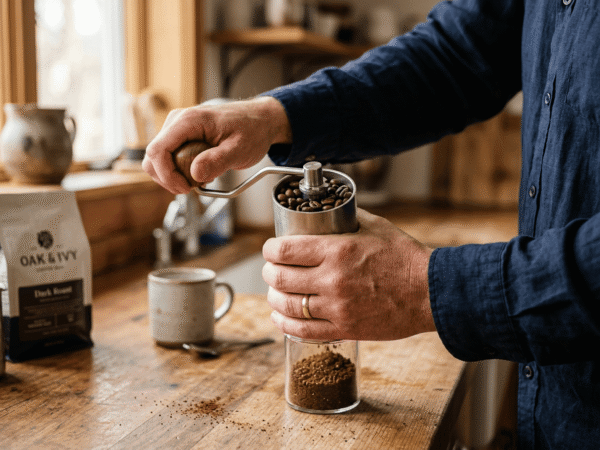
This is the single most common mistake percolator users make. Because the water cycles through the grounds multiple times, you need a coarse grind — think the texture of raw sugar or coarse sea salt. A fine grind leads to muddy, bitter, over-extracted coffee. If you’re grinding at home, check out our guide on choosing the right grind size — the coarse setting for a French press is nearly identical to what works best in a percolator.
Use the Right Coffee-to-Water Ratio
A good starting point is one tablespoon of coarsely ground coffee per cup (remember, percolator “cups” are about 5 ounces). If you like it stronger, bump it up to a heaping tablespoon. Prefer a milder cup? Drop back to a level tablespoon or slightly less.
Don’t try to make your coffee stronger by running the brew cycle twice through the same grounds. You’ll pull harsh, bitter compounds that ruin the flavor. Adjust the amount of grounds instead.
Mind the Water
Fresh, cold, filtered water makes a noticeable difference. If your tap water tastes off, your coffee will too. Avoid using distilled water — it lacks the minerals that help with proper extraction and can result in a flat-tasting cup.
Don’t Let It Sit Too Long
Even the best keep-warm function will eventually degrade your coffee. After about 30 to 45 minutes on the warming plate, the flavor starts to shift. For the best experience, drink your coffee within that window or transfer the remainder to an insulated carafe.
⚠️ Warning: Never leave an electric percolator plugged in and unattended for extended periods. While modern models have safety features, it’s always smart to unplug when you’re done serving.
Percolator vs. Other Brewing Methods: Where Does It Fit?
If you’re comparing brewing methods, percolators sit on the bolder end of the spectrum. They produce a stronger cup than most drip machines and a different flavor profile than immersion methods like the French press.
Curious how these methods stack up? We’ve covered the percolator vs. French press comparison in detail. The short version: a French press gives you more control over steep time and produces a cup with more body and oils, while a percolator delivers a cleaner but more intense brew.
If you’re the type who likes comparing brewing gear before committing, you might also enjoy our breakdown of drip coffee makers versus French presses. Understanding where percolators fit on the coffee-making spectrum helps you decide if this style is truly right for you.
And if your main priority is finding a solid daily brewer without breaking the bank, our list of the best cheap coffee makers covers options across every brewing method.
Caring for Your Electric Percolator
A well-maintained percolator can last 10+ years. Neglect it, and you’ll taste the consequences within a few months.
Daily Cleaning
After each use, disassemble the stem, basket, and spreader plate. Wash everything with warm soapy water and let it dry completely before reassembling. Don’t leave wet grounds sitting in the basket — they’ll get moldy fast.
Monthly Deep Clean
Mineral deposits build up inside the percolator over time, especially if you have hard water. Run a brew cycle with equal parts white vinegar and water (no coffee grounds) once a month. Follow it with two cycles of plain water to rinse out any vinegar residue. Your coffee will taste noticeably better after this.
What to Avoid
Never submerge the base of an electric percolator in water. The heating element and electrical components are in the base, and water damage will ruin the unit. Wipe the exterior with a damp cloth instead.
Did You Know? The percolator was invented by Illinois farmer Hanson Goodrich, who patented his design in 1889. While the basic concept hasn’t changed much, modern electric versions have added temperature regulation and automatic shutoff — features that make the old-school flavor much easier to achieve consistently.
Who Should (and Shouldn’t) Buy an Electric Percolator
An electric percolator is a great fit if you like strong, bold coffee and want something that requires minimal effort. It’s also a smart pick if you regularly brew for groups — no other home brewing method handles high volume as easily.
It’s probably not the right choice if you prefer light, nuanced, single-origin coffees where delicate flavors are the main attraction. Percolation tends to flatten those subtle notes. For that kind of coffee, a pour-over method like the Chemex or a careful drip setup will serve you much better.
Also, if you’re extremely particular about brew temperature and extraction timing, you’ll find the percolator’s lack of precise controls frustrating. It’s a simple machine by design — and that simplicity is either its biggest strength or its biggest limitation, depending on what you’re after.
Frequently Asked Questions
How long should you percolate coffee in an electric percolator?
Most electric percolators handle timing automatically, but the typical brew cycle runs between 7 and 10 minutes for a full pot. If your model doesn’t have an automatic shutoff, watch for the coffee in the glass knob to turn a medium amber color. Over-percolating (beyond 10 minutes) will make your coffee bitter.
Can you use regular ground coffee in a percolator?
You can, but you shouldn’t if you want the best results. Pre-ground coffee from the store is usually a medium grind designed for drip machines. That grind is too fine for a percolator and will produce a muddy, overly strong cup. Look for coffee labeled “coarse grind” or “percolator grind,” or grind your own beans at home using a quality hand coffee grinder set to the coarsest setting.
Are electric percolators better than drip coffee makers?
“Better” depends on your taste preferences. Percolators make bolder, more intense coffee because the water passes through the grounds multiple times. Drip coffee makers produce a milder, cleaner cup with a single pass. If you like strong coffee and don’t mind a slightly heavier taste, you’ll prefer a percolator. If you lean toward lighter, smoother coffee, a drip machine is your better bet.
How do you prevent bitter coffee from a percolator?
Three things make the biggest difference: use a coarse grind, don’t over-percolate, and remove the grounds basket as soon as brewing finishes. Leaving the basket in place allows residual steam and heat to continue extracting bitter compounds from the spent grounds. Also, make sure your percolator is clean — old oil buildup from previous brews adds bitterness.
Can you make tea in an electric percolator?
Technically, yes — but most tea experts wouldn’t recommend it. The repeated cycling of water over the tea leaves will over-extract the tannins, making the tea astringent and harsh. If you want to heat water for tea, you can run the percolator with water only (no basket or grounds) and use it as a basic water heater, then steep your tea separately.
Your Next Step
Finding the best electric coffee percolator really comes down to matching the right model to how you actually drink coffee. For most households, the Presto 02811 or the Cuisinart PRC-12 will handle everything you throw at them. If you’re shopping for a crowd, the West Bend 54159 is the standard for a reason. And if you just want something small, reliable, and classic, the Farberware Yosemite has been earning fans for decades.
Whichever model you pick, remember that the grind matters just as much as the machine. Start with quality beans, grind them coarse, use fresh water, and don’t let the pot sit on the warming plate all morning. Do those things, and your electric percolator will reward you with the kind of bold, honest coffee that drip machines simply can’t replicate.