A shot of espresso is only about one ounce of liquid, but it packs more flavor complexity into that tiny cup than most full mugs of drip coffee. That’s exactly why your choice of beans matters so much. Use the wrong ones, and you’ll get a sour, thin, or bitter shot no matter how expensive your machine is. Use the right ones, and even a $200 home setup can produce espresso that rivals your favorite café.
If you’ve been standing in the coffee aisle (or scrolling through dozens of online listings) wondering which bag to grab, you’re not alone. The sheer number of options — single origin, blends, light roast, dark roast, Arabica, Robusta — can make your head spin. This guide breaks down what actually makes a coffee bean great for espresso, which specific beans and brands are worth your money, and how to dial in your setup so every shot tastes exactly the way you want it.
What Makes a Coffee Bean “Good” for Espresso?
Before you start comparing brands, it helps to understand what espresso demands from a bean. Espresso isn’t just a type of coffee — it’s a brewing method. An espresso machine forces hot water (typically around 9 bars of pressure) through a tightly packed bed of finely ground coffee in about 25 to 30 seconds. That short, intense extraction process means every characteristic of the bean gets amplified.
A bean that tastes pleasantly bright in a French press might taste painfully sour as espresso. A bean with mild bitterness in a drip machine can turn harsh and ashy when brewed under pressure. So when people say a bean is “good for espresso,” they’re really saying it holds up well under that intense extraction.
Three things tend to separate great espresso beans from average ones:
Solubility matters. Espresso extraction happens fast. Beans that are properly roasted for espresso dissolve their flavor compounds more easily during that short brew window. Under-roasted or very light roast beans often can’t release enough sweetness and body in 25 seconds, which is why medium and medium-dark roasts tend to perform best for most home baristas.
Body and sweetness carry the shot. A good espresso bean should produce a thick, syrupy mouthfeel with enough natural sweetness to balance any bitterness. Thin, watery shots almost always point back to the bean (or the grind size, but we’ll get to that).
Freshness is non-negotiable. Coffee is a perishable food product. Beans that were roasted three or four months ago have lost most of the CO2 and volatile aromatic compounds that make espresso taste alive. For the best results, you want beans roasted within the last two to six weeks. If you’re curious about keeping your beans in peak condition, our guide on proper coffee bean storage covers everything you need to know.
Roast Level: The Single Biggest Factor
You’ll hear endless debate about this online, and honestly, a lot of it creates more confusion than clarity. So let’s keep it simple.
Dark Roast
Dark roast has been the traditional choice for espresso for decades, especially in Italian-style coffee culture. Brands like Lavazza, Illy, and traditional Italian roasters built their reputations on dark roasted espresso blends. These beans produce shots with a bold, smoky, chocolatey profile, low acidity, and a thick crema on top.
If you love the classic espresso taste — the kind you’d get at a café in Rome or a neighborhood pizzeria — dark roast is probably your sweet spot. It’s also very forgiving. Dark roast beans are more soluble, so minor inconsistencies in your grind or tamping pressure won’t ruin the shot as easily.
The downside? If beans are roasted too dark, you lose origin character. Everything starts tasting like “dark roast” rather than like the specific region the coffee came from. You also get more bitterness and that burnt, ashy note that turns some people off.
Medium Roast
Medium roast has become the darling of specialty coffee shops over the past decade. It strikes a balance: you still get decent body and sweetness, but you also get more nuanced flavor notes — things like caramel, stone fruit, nut, or citrus, depending on the origin.
For home espresso, medium roast is a great middle ground. It’s flavorful without being harsh, and it shows off the bean’s personality. Many of the most popular specialty espresso blends from roasters like Counter Culture, Onyx Coffee Lab, and Blue Bottle fall in the medium to medium-dark range.
Light Roast
Light roast espresso is real, and specialty cafés pull it off beautifully — but it’s genuinely difficult to do well at home. Light roasted beans are denser, less soluble, and far more acidic. They require very precise grind settings, higher brew temperatures, and sometimes longer extraction times. If your grinder isn’t top-notch, or if your machine’s temperature control isn’t precise, light roast espresso can taste sour and thin.
That said, if you already have solid equipment and enjoy experimenting, light roast espresso can be extraordinary. Expect bright, tea-like, fruity shots that taste nothing like traditional espresso — and that’s the whole point.
Pro Tip: If you’re just starting out with home espresso, begin with a medium-dark roast blend. It’s the most forgiving roast level and produces consistently good shots even if your technique isn’t perfect yet.
Single Origin vs. Blend: Which Should You Pick?
This is the second-most common question people ask, and the answer depends on what you’re after.
Espresso Blends
A blend combines beans from two or more origins, roasted together (or separately and then mixed) to create a specific, balanced flavor profile. Most coffee shops use blends for their house espresso because blends are designed for consistency. A roaster can tweak the ratio of components to make sure every batch hits the same flavor notes.
Great espresso blends tend to have a foundation of sweetness and body (often from Brazilian or Colombian beans) with an accent of brightness or complexity (from East African or Central American beans). Some also include a small percentage of Robusta for extra crema and a caffeine kick, though this is more common in Italian-style blends.
If you drink espresso with milk — lattes, cappuccinos, cortados — a blend is almost always the better choice. Blends are built to punch through milk and maintain their flavor, while many single origins get lost once you add steamed milk.
Single Origin Espresso
Single origin means all the beans come from one country, one region, or even one specific farm. These coffees showcase a particular terroir and processing method. An Ethiopian Yirgacheffe natural process will taste dramatically different from a Guatemalan Huehuetenango washed coffee.
Single origin espresso is exciting if you enjoy tasting the difference between regions and you drink your espresso straight (or as an Americano). Just know that single origins can be less predictable — one batch might pull differently than the next because the beans aren’t blended for consistency.
A practical approach: Keep a reliable blend on hand as your daily driver, and grab a single origin bag when you want to explore. That way, you always have something you know works.
Top Coffee Beans for Espresso Worth Trying
Rather than give you a ranked list of 20 beans you’ll forget by tomorrow, here are some genuinely excellent options across different price points and taste preferences. I’ve grouped them by style so you can find what fits your palate.
For Classic, Bold Espresso
Lavazza Super Crema is one of the most popular espresso blends in the world, and for good reason. It’s a medium roast blend of Arabica and Robusta beans from Brazil, Colombia, India, and Indonesia. Expect a creamy, mild shot with notes of hazelnut and brown sugar. It’s affordable, widely available, and a reliable everyday bean.
Illy Classico is another iconic choice. Illy uses 100% Arabica beans sourced from nine countries, and their blend has stayed remarkably consistent for decades. It produces a smooth, balanced, medium-bodied shot with a clean finish. If you’ve ever had espresso at an Italian restaurant, there’s a good chance it was Illy.
For Specialty Coffee Lovers
Counter Culture Hologram is a year-round espresso blend from one of the most respected specialty roasters in the U.S. (based in Durham, North Carolina). It’s a medium roast with sweet, fruity notes and a silky body. Counter Culture also roasts to order and ships quickly, so freshness isn’t an issue.
Onyx Coffee Lab Monarch is a blend specifically designed for espresso, made from seasonally rotating single origin lots. It’s rich, sweet, and complex — the kind of coffee that makes you pause mid-sip because you’re tasting something new. Onyx is based in Arkansas and has won multiple Roaster of the Year awards from Coffee Review.
For Budget-Friendly Options
Café Bustelo Espresso is a dark roast pre-ground coffee that costs a fraction of specialty beans. Is it as nuanced as a $20-per-bag specialty roast? No. But it makes a strong, punchy shot that works great in milk drinks. For people who add sugar to their espresso or primarily make lattes, Bustelo is a totally reasonable choice.
Kicking Horse Cliff Hanger Espresso is a medium roast, Fair Trade, organic blend from a Canadian roaster. It’s widely available, reasonably priced, and tastes like sweet caramel and dark chocolate. A solid everyday option if you want something a step above supermarket brands without breaking the bank.
For the Adventurous
If you enjoy experimenting with single origin espresso, look for washed Ethiopian coffees (bright, floral, citrusy) or natural process Brazilian coffees (nutty, chocolatey, heavy-bodied). Many specialty roasters like Brandywine Coffee Roasters, George Howell, and PT’s Coffee offer single origin lots specifically recommended for espresso. Check the roaster’s website — they’ll usually tell you which beans they’ve tested as espresso versus filter.
For a deeper look at what makes beans stand out across different brewing styles, our guide to the best coffee beans covers a wider range of options beyond espresso.
Grind Size and Freshness: Where Most People Go Wrong
You could buy the best espresso beans on the planet, and they’d still produce a terrible shot if your grind is off or your beans are stale. These two factors matter just as much as the beans themselves.
Get the Grind Right
Espresso requires a fine grind — much finer than drip coffee, and significantly finer than what you’d use for a French press. The grounds should feel like fine sand or powdered sugar when you rub them between your fingers. If they feel gritty like table salt, they’re too coarse.
Here’s the thing most articles don’t tell you: your grind needs to change over time, even with the same bag of beans. As coffee ages (even over the course of a week or two after opening), it becomes more porous and extracts faster. That means you’ll need to grind slightly finer as the bag gets older to maintain the same extraction time. This is called “dialing in,” and it’s a normal part of making espresso.
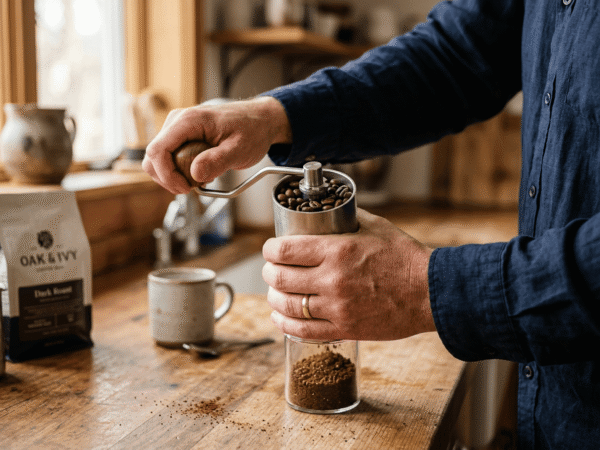
A quality burr grinder makes this process much easier. Blade grinders produce inconsistent particle sizes that lead to both over-extraction and under-extraction in the same shot — which tastes simultaneously bitter and sour. Not ideal. If you’re exploring different grinder options, our article on using a hand coffee grinder explains how manual grinders can deliver excellent espresso-quality grinds at a lower price point than electric models.
Quick Fact: Most baristas aim for an espresso extraction time of 25 to 30 seconds for a double shot (about 36 grams of liquid from 18 grams of ground coffee). If your shot runs too fast, grind finer. If it chokes or drips too slowly, grind coarser.
Buy Fresh, Store Smart
Pre-ground espresso coffee from the grocery store has been sitting in that bag for weeks or months. By the time you brew it, much of the flavor and aromatic complexity has faded. Whole bean coffee stays fresh significantly longer because the oils and gases remain sealed inside the bean until you grind it.
Ideally, buy whole beans from a roaster that prints the roast date (not just a “best by” date) on the bag. Use beans between 7 and 30 days after roasting. Freshly roasted beans (1 to 3 days old) actually need a few days to degas — they contain so much CO2 that they can cause channeling in your espresso puck, leading to uneven extraction.
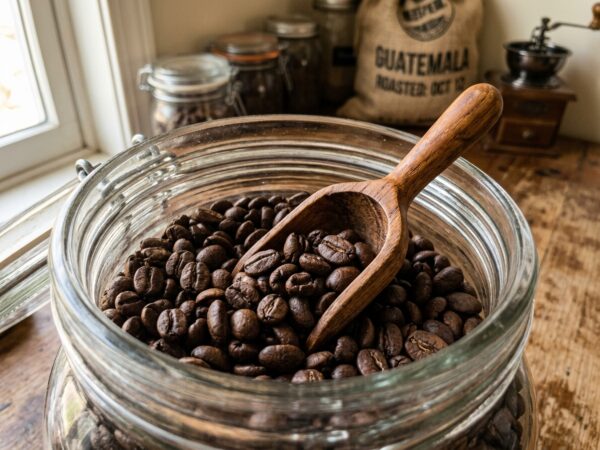
Store your beans in an airtight, opaque container at room temperature. Don’t refrigerate them — coffee absorbs moisture and odors from the fridge. Freezing works for long-term storage if you vacuum-seal portions and only thaw once, but for daily use, room temperature in a sealed container is the way to go.
How Your Espresso Machine Affects Bean Choice
Not all espresso machines are created equal, and your machine type should influence which beans you buy.
Automatic and Super-Automatic Machines
Machines from brands like Jura, Breville (Sage), De’Longhi, and Philips handle grinding, dosing, tamping, and extraction for you. They’re convenient, but they also give you less control over variables like grind size adjustment and extraction pressure.
For these machines, stick with medium to dark roast blends. They’re the most forgiving and work well within the limited adjustment range of automatic grinders. Avoid very light roasts or extremely oily dark roasts — light roasts won’t extract well, and super oily beans can clog the internal grinder and brewing mechanism.
Semi-Automatic Machines
This is the sweet spot for most home espresso enthusiasts. Machines like the Breville Barista Express, Gaggia Classic Pro, and Rancilio Silvia give you control over grind size, dose, and tamp while handling water temperature and pump pressure.
With a semi-automatic machine and a decent grinder, you can use pretty much any espresso bean — dark, medium, or light. This is where exploring single origins and specialty blends becomes really fun.
Moka Pots and Stovetop Espresso
A Moka pot doesn’t produce true espresso (it brews at about 1.5 bars of pressure compared to 9 bars for an espresso machine), but it makes a strong, concentrated coffee that’s espresso-adjacent. For Moka pots, use a medium-fine grind (finer than drip, coarser than espresso) and choose medium to dark roast beans. Italian brands like Bialetti, Lavazza, and Illy were essentially designed with Moka pots in mind.
If you’re weighing whether to go with a Moka pot or a full espresso setup, our comparison of French press vs. espresso breaks down the differences between immersion brewing and pressure-based brewing.
Arabica vs. Robusta: Does It Really Matter?
You’ll see these terms on almost every bag of coffee, so let’s clear this up.
Arabica (Coffea arabica) accounts for about 60-70% of global coffee production. It grows at higher altitudes, has more complex flavor profiles, higher acidity, and generally more nuanced sweetness. Almost all specialty coffee is 100% Arabica.
Robusta (Coffea canephora) has about twice the caffeine content of Arabica, a heavier body, lower acidity, and a more bitter, earthy flavor. It also produces significantly more crema. Robusta gets a bad reputation in specialty coffee circles, but high-quality Robusta (sometimes called “fine Robusta”) can add depth, body, and that beautiful thick crema to an espresso blend.
Many traditional Italian espresso blends include 10-40% Robusta for exactly this reason. Lavazza, Caffè Vergnano, and Pellini all use Robusta in some of their blends. If you love a punchy, full-bodied espresso with a thick crema cap, don’t automatically dismiss blends that contain Robusta.
On the other hand, if you prefer cleaner, brighter, more complex espresso, go for 100% Arabica.
Did You Know? Robusta plants are naturally more resistant to pests and disease, which is one reason they’re cheaper to produce. The species produces caffeine as a natural insecticide — which is also why Robusta beans have nearly double the caffeine of Arabica.
How to Taste and Evaluate Your Espresso
Buying good beans is only half the equation. You also need to know whether your shot actually came out well. Here’s what to look for.
Crema should be a golden-brown layer on top of the shot, about 2-3mm thick. It should linger for at least 30 seconds before dissipating. Pale, thin crema usually means under-extraction (grind too coarse, water too cool, or stale beans). Dark, spotty crema with a hole in the middle often means over-extraction (grind too fine, water too hot).
Taste a well-extracted espresso, and you should get sweetness first, then some pleasant bitterness, and finally a lingering aftertaste. If the shot tastes overwhelmingly sour or sharp, it’s under-extracted. If it’s harsh, ashy, and hollow, it’s over-extracted.
Body refers to the mouthfeel. Great espresso feels thick and syrupy, almost like warm honey on your tongue. A watery, thin shot points to too coarse a grind, too short an extraction, or beans that simply lack the density and oil content for espresso.
Adjusting one variable at a time is the key to dialing in. Change your grind by a tiny increment, pull another shot, and taste again. Keep your dose, tamp pressure, and extraction time consistent while you adjust.
The Water You Use Actually Matters
This one gets overlooked constantly, but your espresso is about 90% water. If your tap water tastes bad, your espresso will taste bad.
The Specialty Coffee Association (SCA) recommends water with a total dissolved solids (TDS) count of about 150 mg/L for optimal coffee extraction. Distilled water is too pure — it’ll produce flat, lifeless espresso because there aren’t enough minerals to bind with flavor compounds during extraction. Very hard water, on the other hand, can mute acidity and make coffee taste chalky, plus it causes scale buildup that damages your machine.
A simple carbon filter (like a Brita pitcher) removes chlorine and off-flavors without stripping out minerals. If your tap water is very hard, consider using Third Wave Water mineral packets mixed with distilled water — they give you a precise mineral balance designed specifically for coffee brewing.
Warning: Scale buildup from hard water is the number one killer of espresso machines. If you live in a hard water area, descale your machine regularly according to the manufacturer’s instructions. Neglecting this can void your warranty and permanently damage internal components.
FAQ
Can I use regular coffee beans in an espresso machine?
Yes, absolutely. There’s no physical difference between “espresso beans” and “regular coffee beans.” The label “espresso roast” is just a roaster’s recommendation that those beans taste best when brewed as espresso — usually because they’re roasted to a level that works well under pressure extraction. You can put any coffee bean in your espresso machine. Just be aware that very light roasts may taste sour, and extremely oily dark roasts can clog some grinder burrs.
How long do espresso beans stay fresh after opening?
Once you open the bag, try to use the beans within two to three weeks for the best flavor. After about a month, you’ll notice the shots tasting flatter and less vibrant. Keeping beans in an airtight container away from light, heat, and moisture slows this process. If you buy in bulk, consider portioning beans into smaller airtight bags and freezing what you won’t use within two weeks.
Should I buy pre-ground espresso or whole beans?
Whole beans, every time. Coffee begins losing flavor within minutes of being ground because the increased surface area exposes oils and aromatics to oxygen. Pre-ground espresso from a store shelf has been losing flavor for weeks or months. Investing in even a basic burr grinder will make a bigger difference in your espresso quality than upgrading to more expensive beans.
What’s the best grind size for espresso?
Espresso requires a fine grind — finer than table salt, similar to powdered sugar in texture. The exact setting depends on your grinder, but as a starting point, aim for a 25-30 second extraction time for a double shot. If the shot runs faster, grind finer. If it runs slower or chokes, grind coarser. For a detailed breakdown of how grind size affects different brewing methods, check out our article on French press grind size — it puts espresso grind into context alongside other methods.
Do more expensive beans always taste better?
Not necessarily. Price reflects factors like sourcing transparency, farm wages, certifications (organic, Fair Trade), roasting quality, and packaging — all of which matter, but they don’t guarantee you’ll personally enjoy the flavor. A $22 bag of single origin Ethiopian might taste worse to you than a $12 bag of Lavazza if your palate prefers chocolatey, low-acid espresso. Start with mid-range options, figure out what flavor profiles you enjoy, and then explore from there.
Your Next Step
Choosing the best coffee beans for espresso machine brewing comes down to three things: pick the right roast level for your taste and equipment, buy fresh whole beans, and grind them right before you brew. Everything else — origin, processing method, blend composition — is important, but those three fundamentals are what separate a great shot from a forgettable one.
If you’re new to home espresso, start with a trusted medium-dark roast blend like Lavazza Super Crema or Counter Culture Hologram. Learn to dial in your grind and extraction with a consistent, forgiving bean before branching out into single origins or lighter roasts. Once you’ve got your technique down, that’s when exploring different beans becomes genuinely exciting rather than frustrating.
And don’t forget — half the fun of espresso is the ritual. Weighing your dose, adjusting your grinder, watching that beautiful stream of coffee pour into your cup. Every shot teaches you something. So grab a bag that looks interesting, pull a shot, and see what you think. Your perfect espresso is closer than you realize.